
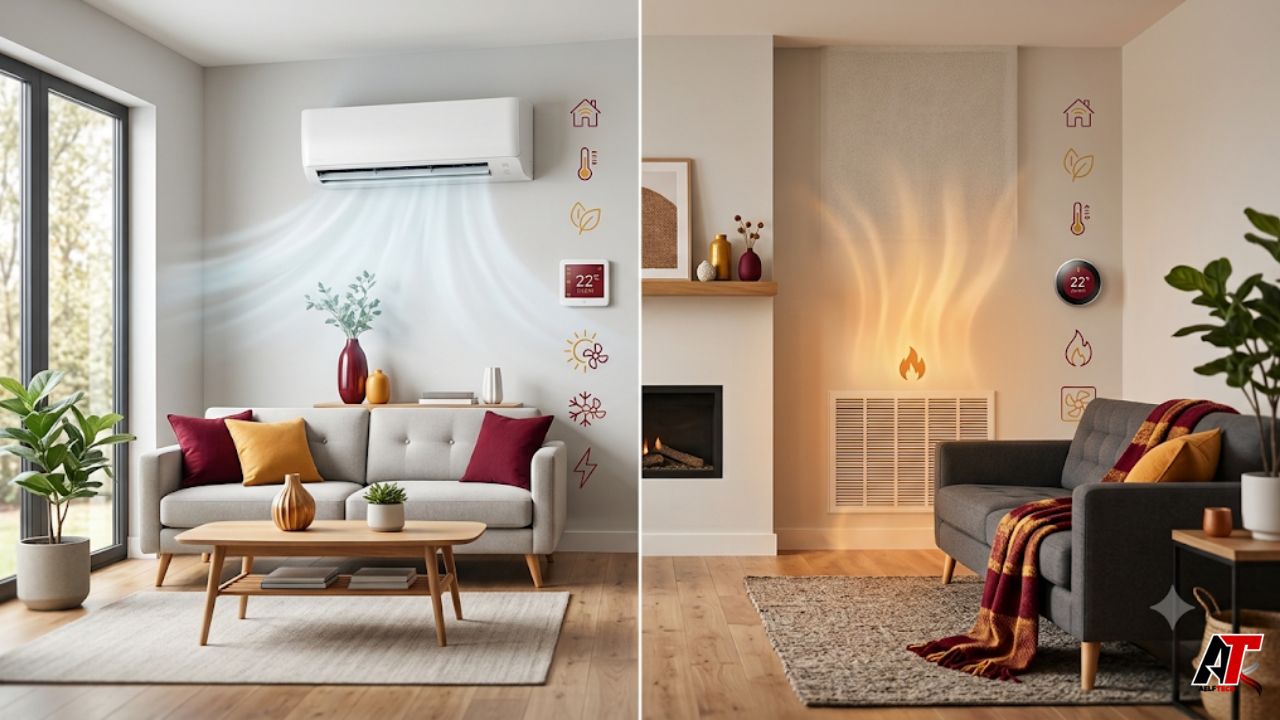
Choosing a heating system is a major home decision. It affects comfort, monthly bills, maintenance, and long-term property value. Many homeowners now compare heat pumps with furnaces because both systems can heat a home well. Still, they work in very different ways.
A furnace creates heat. It burns gas, oil, or uses electric resistance to warm air. A heat pump does not create heat in the same way. It moves heat from one place to another. In winter, it pulls heat from outdoor air and brings it indoors. In summer, many heat pumps can reverse the process and cool the home.
So, is a heat pump better than a furnace? The best answer depends on climate, energy costs, home insulation, budget, and comfort goals. For some homes, a heat pump is the smarter choice. For others, a furnace is still more practical. This guide explains the key differences in a simple way so you can make a better decision.
How a Heat Pump Works
A heat pump uses refrigerant, coils, and a compressor to move heat. Even cold outdoor air contains some heat. The system captures that heat and transfers it indoors. This process can be very efficient because the unit is moving heat instead of producing it from fuel.
Most modern heat pumps also provide cooling. That means one system can replace or reduce the need for both a heater and an air conditioner. This is one reason many homeowners like them.
However, performance depends on outdoor temperature. Standard heat pumps may work harder during very cold weather. Cold-climate models are better than older systems, but they still need the right design and sizing. A poorly sized unit can struggle, run too often, or fail to keep rooms comfortable.
How a Furnace Works
A furnace heats air directly. A gas furnace uses burners and a heat exchanger. An electric furnace uses electric heating elements. The blower then pushes warm air through ducts and into rooms.
Furnaces are known for strong heat output. They can raise indoor temperatures quickly. This makes them popular in colder regions where winters are long and harsh. Many people also like the warm air feeling that a furnace provides.
Still, furnaces have limits. Gas furnaces need fuel lines, venting, and regular safety checks. Electric furnaces can be costly to operate in areas with high electricity rates. Also, a furnace only heats. You still need a separate air conditioning system for summer cooling.
Energy Efficiency: Which One Uses Less Energy?
In many homes, a heat pump uses less energy than a furnace. This is because it transfers heat instead of generating it. When outdoor temperatures are moderate, this can lead to lower operating costs.
A furnace can still be efficient, especially a modern high-efficiency gas model. Yet even an efficient furnace must burn fuel or use electric resistance to produce heat. A heat pump may deliver more heat energy than the electric energy it consumes.
The real savings depend on local rates. If electricity is expensive and gas is affordable, a gas furnace may cost less to run. If electricity is affordable or the home has solar power, a heat pump may be more economical. That is why homeowners should compare local energy costs before deciding.
Climate Makes a Big Difference
Climate is one of the biggest factors in the heat pump vs furnace debate. In mild and moderate climates, a heat pump often makes sense. It can heat in winter and cool in summer while using one system.
In very cold climates, a furnace may still feel more dependable. It can produce strong heat even when outdoor temperatures drop far below freezing. Some homeowners choose a dual-fuel setup. This setup uses a heat pump during mild weather and switches to a furnace during extreme cold.
This hybrid approach can offer the best of both worlds. It gives efficiency when the weather is mild and power when temperatures fall sharply.
Comfort and Indoor Air Quality
Comfort is not only about temperature. It is also about airflow, humidity, noise, and how evenly rooms feel heated. Heat pumps often run for longer cycles at lower output. This can create steady comfort and fewer temperature swings.
Furnaces usually deliver hotter air in shorter cycles. Some people enjoy this quick burst of warmth. Others notice that rooms cool down between cycles.
Indoor air quality also matters. Both systems need clean filters and proper maintenance. A furnace can create combustion byproducts, so venting must stay safe and clear. A heat pump does not burn fuel inside the home, which may appeal to people who want to reduce combustion-related concerns. However, ducts, filters, and humidity control still need attention with either option.
Installation Cost and Long-Term Value
Upfront cost can vary widely. A furnace may cost less to install if the home already has gas lines, ducts, and venting. A heat pump may cost more at first, especially if you choose a high-performance model or need electrical upgrades.
However, long-term value is not only about installation cost. You should also consider monthly energy bills, future repair costs, and whether one system can provide both heating and cooling.
For homes that need a new air conditioner and a new heater, a heat pump can be attractive. It may handle both jobs with one system. For homes that already have a strong furnace and only need minor updates, replacing everything with a heat pump may not always be the cheapest move.
Maintenance Requirements
Both systems need regular care. A furnace should be checked before the heating season. A technician may inspect burners, heat exchangers, gas connections, vents, filters, and safety controls.
A heat pump needs maintenance for both heating and cooling seasons. Since it may run most of the year, it can collect dust and wear faster if ignored. Coils, refrigerant levels, filters, drain lines, and outdoor units should stay clean and clear.
Simple habits help both systems last longer. Replace filters on time. Keep vents open. Do not block outdoor units. Schedule professional service before problems become expensive.
Environmental Impact
Many homeowners now think about environmental impact. Heat pumps can reduce direct fossil fuel use because they use electricity. If your electricity comes from cleaner sources, the environmental benefit may be stronger.
Gas furnaces burn fuel inside the home. High-efficiency models reduce waste, but they still rely on combustion. In areas where electricity grids are becoming cleaner, heat pumps may become even more appealing over time.
Still, the greenest choice depends on the whole home. Insulation, air sealing, window quality, duct condition, and thermostat habits all affect energy use. A great heating system will waste energy if the home leaks warm air.
When a Heat Pump May Be Better
A heat pump may be the better option when you live in a mild or moderate climate. It can also be a smart choice if you want heating and cooling from one system. It may work well if your home uses electricity, has solar panels, or lacks access to natural gas.
It may also suit homeowners who want steady comfort and lower direct fuel use. In newer homes with good insulation, a properly sized heat pump can perform very well.
Before choosing, ask an HVAC professional to calculate the heating load of your home. Guessing by square footage alone can lead to poor results. Correct sizing is one of the most important steps.
When a Furnace May Be Better
A furnace may be better when winters are very cold and long. It may also make sense if natural gas is affordable in your area. Homes with existing furnace infrastructure may find replacement easier and less expensive.
A furnace can also be a good choice for people who prefer hotter supply air. It can warm a home fast after a cold night or after the thermostat has been lowered.
However, furnace safety should not be ignored. Combustion systems need proper venting and professional checks. Carbon monoxide alarms should also be installed and maintained in homes with fuel-burning appliances.
Should You Consider a Dual-Fuel System?
A dual-fuel system combines a heat pump with a furnace. The heat pump runs during mild weather. The furnace takes over when outdoor temperatures become too low for efficient heat pump operation.
This option can reduce energy use without giving up strong cold-weather heating. It is often useful in areas with changing seasons. It can also help homeowners balance comfort, cost, and reliability.
The main drawback is higher installation complexity. You need proper controls, correct sizing, and a contractor who understands both systems. Still, for many homes, dual fuel can be a smart middle path.
Questions to Ask Before You Choose
Before you decide, ask a few practical questions. How cold does your area get in winter? What are your electricity and gas rates? Do you already have ductwork? Does your home need cooling too? Is your electrical panel ready for a heat pump?
Also ask about rebates, warranties, service availability, and expected repair costs. Do not choose based only on the lowest quote. A cheaper system can cost more later if it is sized badly or installed poorly.
For a clear comparison of a heat pump vs. a furnace, review your home layout, current equipment age, energy bills, and comfort problems. Then speak with a qualified HVAC contractor who can inspect the home and explain real options.
Conclusion
A heat pump can be better than a furnace in many situations. It often offers strong efficiency, year-round comfort, and lower direct fuel use. It can be especially useful in mild climates and well-insulated homes.
A furnace can still be better in very cold climates or in homes with affordable natural gas. It delivers powerful heat and may be easier to install when furnace infrastructure already exists.
The best system is the one that fits your climate, budget, home design, and comfort needs. Compare long-term costs, not only the upfront price. Also focus on proper installation. Even the best equipment will disappoint if it is poorly sized or installed.
For more practical home improvement and technology guides, readers can visit aelftech.com for helpful ideas that support smarter planning.
Leave a Reply