
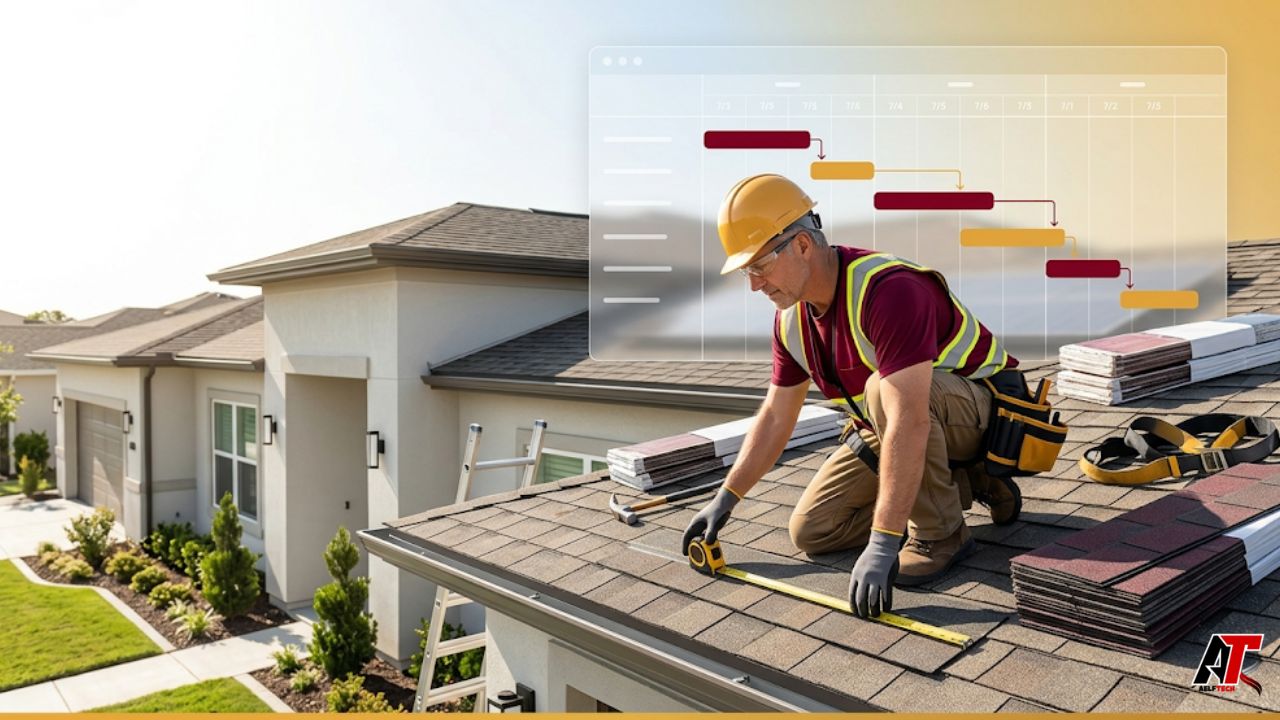
A roofing project looks simple from the street: remove the old surface, install the new system, clean up, and move on. In real life, the timeline depends on many moving parts. Homeowners often expect a roof repair or replacement to be finished quickly, but even a well-organized contractor must account for weather, roof condition, permits, materials, access, inspections, and changes discovered after work begins.
When you work with a Burbank roofer, the best timeline is not just the fastest one. It is the timeline that protects your home, keeps the job safe, and gives the crew enough room to install the roof correctly. A rushed roofing job can create bigger problems later, including leaks, poor ventilation, weak flashing, and warranty issues.
This guide explains the main factors that affect project timelines when hiring a roofer in Burbank. It also shows how homeowners can prepare before the first workday so the project stays organized, predictable, and cost-effective.
1. Project Scope Comes First
The biggest timeline factor is the scope of work. A small leak repair may take only a short site visit if the problem is easy to access and the damage is limited. A full roof replacement is different. It may require a complete tear-off, deck inspection, underlayment installation, flashing replacement, ventilation adjustments, and cleanup. If gutters, skylights, siding edges, or fascia boards are involved, the schedule becomes longer.
Many delays happen because the original scope was too vague. For example, a quote that says “replace damaged shingles” may not explain how many shingles, which slope of the roof, whether flashing is included, or what happens if rotten decking appears. A clear scope helps the contractor order the right materials, assign the right crew, and give a timeline that reflects the real work.
Before approving a project, ask for a written breakdown of each phase. A good plan should include inspection, material ordering, permit steps if needed, tear-off, installation, cleanup, and final walkthrough. This makes the schedule easier to understand and reduces confusion later.
2. Roof Size, Pitch, and Layout Change the Workload
A larger roof naturally takes more time, but size is not the only measurement that matters. Roof pitch, height, number of roof planes, valleys, dormers, chimneys, skylights, and ventilation points can all affect labor time. A simple single-story roof with easy access is usually faster than a steep, multi-level roof with complex angles.
Steeper roofs require more safety setup and slower movement. Crews may need additional harnesses, roof jacks, staging, or special equipment. Complex rooflines also require more careful cuts around valleys, ridges, and flashing areas. These details may not be obvious to homeowners, but they can add significant time to the installation.
Access around the property matters too. If the driveway is narrow, trees are close to the roofline, or materials must be carried by hand over a long distance, the crew will need more time. Good access allows materials, dumpsters, and equipment to be placed safely and efficiently.
3. Weather Can Speed Up or Slow Down the Job
Roofing is outdoor work, so weather plays a major role in project timing. Rain, high wind, extreme heat, cold temperatures, and sudden storms can delay a job for safety and quality reasons. Even if the crew is ready, they may not be able to expose the roof deck when rain is expected or install certain materials properly in poor conditions.
Wind is especially important because loose materials, underlayment, and shingles can become unsafe. Heat can also slow productivity because roof surfaces become extremely hot, and crews must manage hydration and safety breaks. If a project is scheduled during a busy or unstable weather season, the timeline should include some flexibility.
Homeowners can help by planning roofing work before emergency conditions appear. Waiting until a leak becomes severe often limits scheduling options. A proactive inspection gives the roofer time to choose a better weather window and avoid rushed decisions.
4. Material Choice and Availability Affect Scheduling
The product you choose can influence both the installation time and the lead time before work begins. Standard asphalt shingles are often easier to source and faster to install. Metal roofing, premium shingles, tile, synthetic products, or specialty colors may require longer ordering windows and more detailed installation methods.
The type of roofing material also affects how the roof must be prepared. Some materials may require stronger decking, specific underlayment, upgraded ventilation, different fasteners, or special flashing details. These requirements can extend the schedule but may improve long-term performance when handled correctly.
Material delays can happen when a color is backordered, a supplier has limited stock, or the homeowner changes the product after the order is placed. To avoid this, finalize the material decision early. Confirm brand, color, warranty level, underlayment, ventilation components, and trim pieces before the project is scheduled.
5. Permits, Building Codes, and Inspections Add Important Steps
Some roofing projects require permits or inspections, depending on the location, building rules, roof changes, and project scope. A basic repair may be treated differently from a full replacement or structural change. If the project includes decking replacement, framing repairs, insulation, ventilation changes, or major alterations, additional review may be needed.
Permits can affect timelines because the contractor may need to submit documents, wait for approval, post the permit, and coordinate inspections. This is not wasted time. It helps confirm that the work meets local requirements and protects the homeowner from future problems during insurance claims, resale, or additional remodeling.
The best approach is to ask early: “Will this project require a permit, and who is responsible for handling it?” A professional roofer should explain the process clearly and include the permit timeline in the overall schedule.
6. Hidden Damage Is a Common Timeline Surprise
Roofers cannot always see the full condition of the roof until old materials are removed. Once the tear-off begins, they may discover soft decking, moisture damage, mold, damaged fascia, improper ventilation, old flashing failures, or previous repairs that were covered by shingles. These discoveries can extend the project because they must be fixed before the new roof system is installed.
Ignoring hidden damage is risky. New shingles installed over weak decking or bad flashing may fail early, even if the surface looks clean. That is why experienced contractors inspect carefully during tear-off and explain any change orders before moving forward.
Homeowners should keep a small contingency in both budget and schedule. A one-day installation can become a two-day job if repairs are needed. That delay may feel inconvenient, but it is better than installing a new roof over a failing base.
7. Crew Scheduling and Contractor Capacity Matter
Roofing companies often manage multiple projects at the same time. Emergency repairs, weather rescheduling, supplier deliveries, and inspection windows can all shift the calendar. During busy seasons, a contractor may be booked several weeks ahead, especially after storms or periods of heavy demand.
A reliable roofer should not overpromise just to win the job. Instead, they should provide a realistic start window, explain what could change, and communicate if weather or material delays appear. Homeowners should be cautious of timelines that sound too perfect, especially for complex work.
The crew size also matters. A larger crew may finish faster, but only if the property has enough space and the work can be divided safely. For detail-heavy roofs, a smaller skilled crew may be more efficient than a large team rushing through difficult areas.
8. Homeowner Readiness Can Prevent Delays
Homeowners have more control over the timeline than they may think. Simple preparation can save hours or even days. Clear the driveway, move vehicles away from the work zone, protect items in the attic, remove fragile decorations from walls, trim nearby branches if requested, and make sure pets and children stay away from work areas.
Decision-making speed also matters. If the contractor needs approval for a decking repair, color confirmation, skylight flashing option, or gutter adjustment, delayed responses can pause the job. Choose one main point of contact in the household and keep the phone available during workdays.
Payment and paperwork should also be handled on time. Signed contracts, deposits, permit signatures, HOA approvals, and material selections should be complete before the crew arrives. These details may seem small, but they can affect scheduling.
9. Change Orders Can Extend the Timeline
A change order is any approved change to the original project scope. It may include replacing extra plywood, upgrading ventilation, adding new flashing, changing the roofing material, repairing fascia, or adding gutter work. Some change orders are necessary because hidden damage is discovered. Others happen because the homeowner changes preferences during the project.
Change orders are not automatically bad. In many cases, they improve the final result. The problem is when they are not documented clearly. Every change should include the added cost, added time, reason for the change, and homeowner approval.
To reduce timeline surprises, ask the contractor how change orders are handled before work begins. Clear communication keeps the project professional and prevents disagreements after installation starts.
10. Communication Is the Timeline Stabilizer
Even when delays happen, communication can keep the experience smooth. The homeowner should know who to contact, what time crews normally arrive, where materials will be placed, when inspections may happen, and what the cleanup process includes. A project manager or lead installer should provide updates when something changes.
Good communication is especially important during roofing because the work affects daily life. There may be noise, debris, limited driveway access, and temporary movement around the property. When expectations are clear, homeowners can plan around the disruption instead of feeling surprised by it.
Ask for a simple project timeline before work begins. It does not need to be complicated. A clear day-by-day outline helps everyone understand what should happen and what might shift if weather or hidden repairs appear.
How to Keep a Burbank Roofing Project on Track
The best way to protect your schedule is to start with a detailed inspection and a written estimate. Do not choose a roofer only because they promise the fastest completion date. Choose the team that explains the process, identifies risks, documents materials, and gives a realistic timeline.
Finalize materials early, ask about permits, prepare the property, and respond quickly if the contractor needs approval. It also helps to schedule the project before the roof reaches emergency condition. Preventive planning usually gives homeowners more contractor availability, better weather options, and fewer rushed choices.
For more home improvement planning and digital content guidance, aelftech.com encourages property owners and service businesses to focus on clarity, preparation, and honest communication. These same principles help roofing projects, websites, and local service campaigns perform better over time.
Conclusion
Project timelines with a Burbank roofer are shaped by more than labor speed. Roof size, pitch, access, weather, material choice, permits, inspections, hidden damage, crew availability, change orders, and homeowner readiness all play a role. A realistic roofing schedule should include time for planning, safe installation, quality checks, and proper cleanup.
Homeowners can avoid many delays by asking the right questions before signing a contract. What is included in the scope? Are materials available? Will permits be needed? What happens if damaged decking is found? Who will communicate updates? These questions create a smoother experience and help the finished roof perform as expected.
A good roofing project is not only about finishing fast. It is about finishing correctly, safely, and with a roof system that protects the home for years. With clear planning and the right contractor, homeowners can reduce stress, manage expectations, and keep their Burbank roofing project moving forward with confidence.
Leave a Reply