
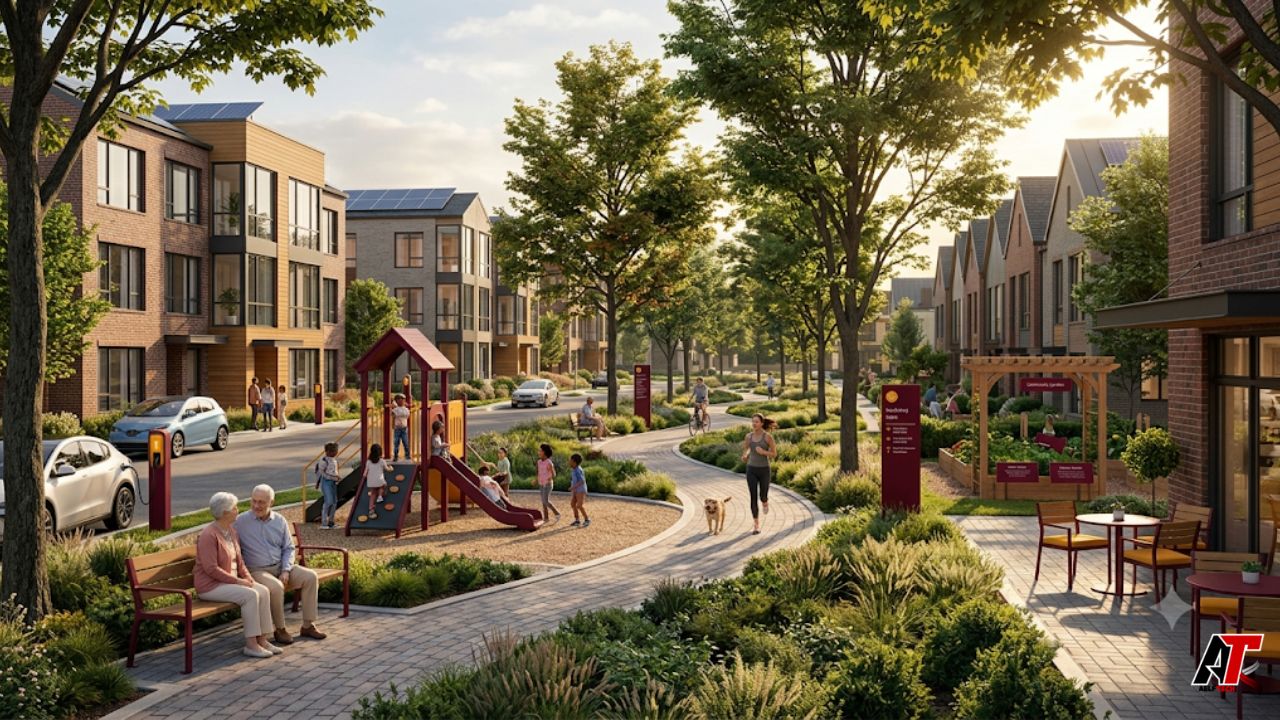
A residential project is more than a collection of buildings. It is a long-term product shaped by land, design, construction quality, operating costs, community experience, and market perception. Developers who focus only on square footage or short-term cost savings often miss the features that buyers and renters actually value. The most successful projects connect commercial discipline with a clear understanding of how people live, work, move, rest, and build relationships at home.
To boost residential project value, every major decision should improve at least one of four outcomes: market appeal, resident experience, operational performance, or long-term resilience. The following strategies show how developers, investors, architects, and project teams can strengthen those outcomes without relying on unnecessary luxury.
Start With the Market, Not the Blueprint
The strongest residential projects begin with a precise understanding of the people expected to live there. Before finalizing unit mixes, amenity lists, or architectural styles, developers should study local household sizes, age groups, employment patterns, commuting habits, income ranges, and competing inventory. The goal is not simply to identify what buyers say they want. It is to uncover what they struggle to find in the existing market. A project that solves a visible local problem—such as a shortage of practical family units, accessible homes, secure rental apartments, or low-maintenance townhouses—enters the market with a clearer value proposition.
Research should translate into decisions that can be measured. A young professional market may prioritize efficient one- and two-bedroom homes, work-from-home space, package storage, and fast connectivity. Families may care more about storage, safe outdoor play, school access, and flexible rooms. Older buyers may value step-free access, quiet surroundings, simple maintenance, and nearby services. When the product, pricing, and positioning all reflect real demand, the project is less likely to rely on discounts to attract attention. That alignment is one of the most reliable ways to boost residential project value before construction begins.
Use Site Planning to Create Everyday Convenience
Location creates the first layer of value, but site planning determines how residents experience that location every day. Entrances should be easy to find, internal roads should be legible, pedestrian routes should feel safe, and parking should be convenient without dominating the entire landscape. A well-planned site reduces friction. Residents can move comfortably between homes, green spaces, parking areas, mailrooms, playgrounds, and community facilities without unnecessary detours or conflict with vehicles.
Good site planning also makes better use of limited land. Buildings can be oriented to improve daylight, capture useful views, support natural ventilation, and create attractive shared courtyards. Utility areas, loading zones, waste collection, and mechanical equipment should remain functional but visually controlled. Developers should also evaluate connections to public transportation, schools, shops, parks, healthcare, and employment centers. A project that saves residents time and feels intuitive to navigate can command stronger interest than a visually impressive development that is inconvenient in daily life.
Design Flexible Homes That Can Adapt
Residential value increases when a home can serve more than one stage of life. Instead of designing rooms around a single use, plan spaces that can shift between work, study, hobbies, caregiving, exercise, and guest accommodation. A compact den with a door may be more valuable than an oversized corridor. A dining area with nearby power access can double as a workspace. Sliding partitions, built-in storage, movable islands, and well-positioned lighting can help residents change a room without major renovation.
Many buyers appreciate the light, sociability, and flexible furniture arrangements associated with Open floor plans, particularly when kitchens, dining areas, and living rooms work as one connected social zone. However, openness should be balanced with acoustic control, storage, and private retreat. Hybrid layouts often perform well: a generous shared living area supported by a closable study, a quiet bedroom zone, and discreet service spaces. This balance allows the home to feel spacious without forcing every activity into the same room.
Improve Performance Through Energy-Efficient Construction
Energy efficiency adds value because it affects comfort, operating costs, durability, and buyer confidence at the same time. High-performance insulation, careful air sealing, efficient windows, properly sized HVAC systems, heat-pump technology, LED lighting, and water-saving fixtures should be considered as a coordinated system rather than a collection of upgrades. Independent testing and recognized performance standards can make these benefits easier to communicate because buyers often cannot see what is behind the walls.
Developers should evaluate efficiency measures through life-cycle cost, not only initial price. A cheaper component that increases utility use, creates temperature imbalance, or requires early replacement can weaken the ownership experience. Energy-conscious design can also improve acoustic comfort and indoor air quality when ventilation is planned correctly. The most effective sales message is practical: the home is designed to feel comfortable, perform consistently, and avoid unnecessary waste. That promise is more credible when supported by documentation, commissioning, and clear handover information.
Make Amenities Useful, Inclusive, and Easy to Maintain
Amenities can strengthen a project, but only when they match resident behavior. An impressive facility that is rarely used still consumes land, capital, and maintenance funds. The best amenity program usually combines a few high-utility features: shaded seating, a flexible community room, secure package handling, practical fitness space, bicycle storage, pet-friendly areas, and comfortable outdoor gathering zones. In larger communities, facilities should be distributed so residents do not have to cross the entire site to reach them.
Family-oriented developments can gain lasting appeal from safe, visible, and inclusive play areas. Developers should consult reputable playground equipment manufacturers early so equipment, surfacing, shade, accessibility, drainage, age separation, and maintenance requirements are coordinated with the landscape plan. The surrounding details matter as much as the equipment: caregivers need seating and sightlines, children need safe circulation, and the route from homes to the play area should avoid vehicle conflict. Useful amenities support daily routines and community interaction, which is more valuable than novelty alone.
Invest in Landscape, Shade, and Resilience
Landscape design should be treated as infrastructure, not decoration added at the end. Mature-looking planting, shade trees, comfortable walking loops, seating, lighting, and attractive stormwater features can shape the identity of a development from the first visit. Native or climate-appropriate plants usually reduce irrigation demand and are more likely to thrive. Permeable paving, rain gardens, bioswales, and tree canopies can help manage runoff while making outdoor spaces more pleasant.
Resilience planning protects long-term value. The site team should evaluate heat exposure, flooding, drought, wind, wildfire risk, and power interruptions according to local conditions. Practical responses may include shaded facades, backup power for critical systems, elevated equipment, water-sensitive landscaping, durable exterior materials, and clearly designed emergency access. Buyers may not ask about every technical measure, but they notice cooler walkways, healthy landscaping, reliable drainage, and a sense that the community has been designed for real conditions rather than an idealized rendering.
Add Technology That Solves Real Problems
Smart technology should simplify living rather than create a complicated list of features. Reliable broadband infrastructure is now fundamental, especially in homes where work, education, entertainment, and security depend on strong connectivity. Keyless entry, video access control, leak detection, smart thermostats, energy monitoring, EV-charging readiness, and app-based maintenance requests can improve convenience when systems are interoperable and supported over time.
Technology choices should also account for privacy, cybersecurity, replacement cycles, and resident choice. Avoid locking essential home functions into a single subscription or proprietary platform that may become obsolete. Provide manual controls where possible and explain how data is collected. A smaller number of dependable systems will create more trust than a long feature list that is difficult to use. The objective is to reduce anxiety, prevent damage, and make routine tasks easier—not to turn the home into a technical experiment.
Control Costs Without Diluting the Resident Experience
Cost control creates value when it removes waste, not when it removes the qualities residents notice every day. Standardized structural grids, repeatable wet-area layouts, coordinated building services, and a disciplined material palette can reduce complexity. Early collaboration among architects, engineers, contractors, landscape designers, operators, and sales teams helps prevent late changes. Mock-ups of kitchens, bathrooms, facades, and common areas can reveal usability and construction issues before they multiply across the project.
Developers should distinguish between visible luxury and dependable quality. Residents may accept a simpler decorative finish if doors close properly, storage is adequate, sound transmission is controlled, water pressure is consistent, and common areas remain clean. Durable, repairable materials often create a better long-term impression than delicate premium finishes. Maintenance teams should review selections before procurement, because the true cost of a product includes cleaning, spare parts, replacement labor, and downtime. Strong value engineering protects the experience while improving financial discipline.
Build Trust Through Branding, Sales, and Handover
Even a well-designed project can be undervalued when its story is vague. Branding should explain who the development is for, what daily life will feel like, and which benefits are genuinely different. Photography, floor plans, virtual tours, maps, construction updates, and specification sheets should be consistent and accurate. Avoid exaggerated claims that create disappointment during site visits. Transparent communication about dimensions, views, completion phases, fees, warranties, and included features improves lead quality and helps sales teams focus on suitable buyers.
A strong digital strategy can connect those project advantages with the right audience throughout the research journey. Working with aelftech.com can support search visibility, content planning, paid campaigns, and conversion-focused landing pages for residential brands. Marketing should begin before launch so search demand, audience questions, and competitor positioning can inform the content plan. After purchase, a professional handover package—covering warranties, maintenance schedules, system instructions, contacts, and community rules—turns a sales promise into a confident ownership experience.
Measure What Residents Value After Completion
Value creation should continue after the first handover. Resident surveys, maintenance records, leasing inquiries, defect reports, amenity usage, energy data, and resale feedback can reveal which decisions performed well and which need adjustment. A structured post-occupancy review allows the developer to correct operational problems early and apply lessons to future phases. It also gives the management team evidence for prioritizing maintenance budgets.
Satisfied residents become a powerful source of reputation, referrals, renewals, and organic content. Their experience depends on responsive management as much as architecture. Clear service channels, realistic response times, preventive maintenance, respectful rules, and well-kept common areas protect the promise made during sales. Developers who treat completed communities as long-term products—not finished transactions—are more likely to preserve pricing, reduce reputational risk, and build a trusted portfolio.
Conclusion
Boosting residential project value is not the result of one signature amenity or an expensive finish schedule. It comes from a series of connected decisions: choosing the right market position, planning a convenient site, designing adaptable homes, improving energy and water performance, creating useful shared spaces, managing risk, controlling construction complexity, and communicating benefits honestly. Each decision should make the project easier to understand, more comfortable to live in, and more dependable to own or operate.
The best value strategy is therefore both human and measurable. It respects residents’ everyday needs while tracking cost, performance, demand, and feedback. When project teams keep those priorities aligned from feasibility through post-occupancy management, they create communities that compete on more than appearance. They create places people trust, recommend, and continue to value over time.
Leave a Reply