
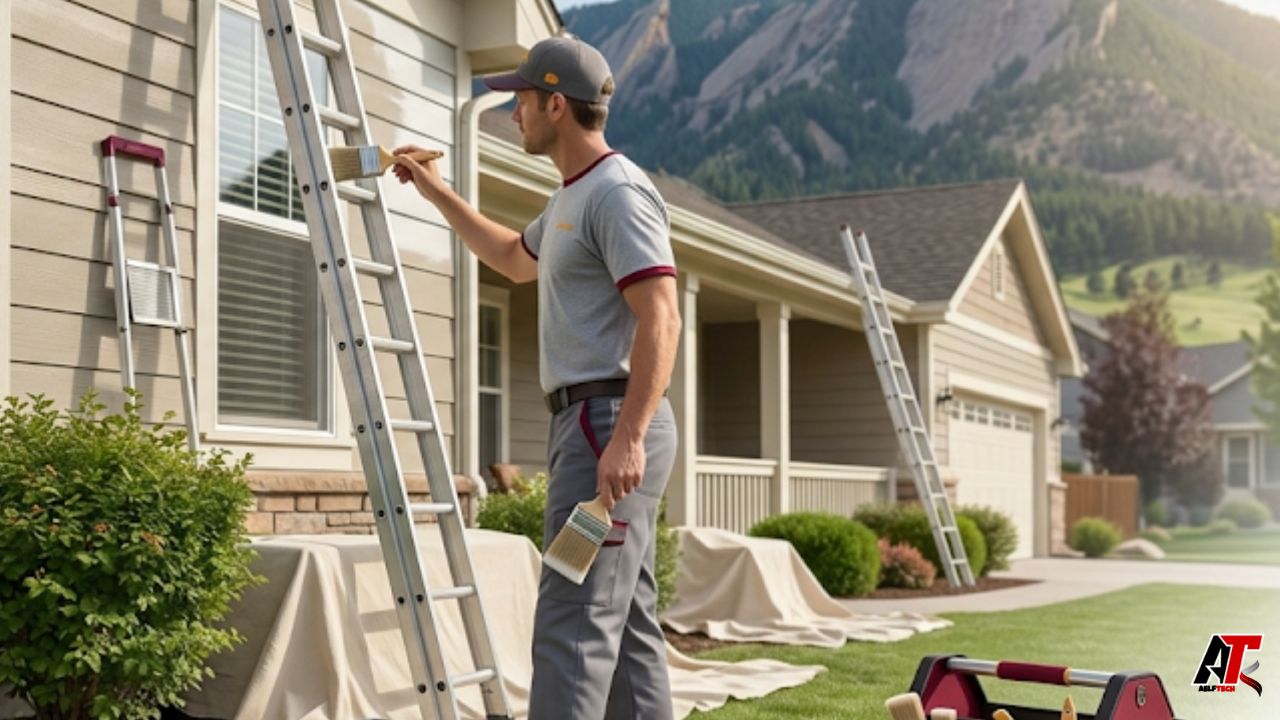
Painting a home exterior in Colorado is not simply a matter of choosing a sunny weekend. The state’s high elevation, intense sunlight, rapid temperature swings, dry air, wind, spring snow, and summer thunderstorms can all affect how paint applies and cures. A forecast that looks comfortable at noon may still create problems if the siding is cold in the morning, overheated in direct sun, damp after a storm, or exposed to freezing temperatures overnight.
For many homes along the Front Range and at lower elevations, the best overall painting season runs from late May through early October. Within that broad window, June and September often provide the most dependable balance of warm days, manageable surface temperatures, and enough daylight for proper drying. However, mountain communities, the Western Slope, and the eastern plains follow different weather patterns. The right answer therefore depends on location, elevation, the house surface, the coating being used, and the short-term forecast.
The Best Overall Time to Paint in Colorado
The strongest general window is late spring through early fall, after repeated freezes have eased and before cold nights return. On the Front Range, late May and June can work well once the surface is fully dry and the forecast is stable. September is another excellent choice because daytime heat is usually less severe than midsummer, humidity is often low, and afternoon storms may be less frequent than during the heart of summer.
A calendar date alone cannot guarantee success. A painting crew should confirm the product’s approved application range, measure both air and surface temperature, and check the expected overnight low. Many modern exterior coatings can be applied at temperatures as low as 35°F, but that does not mean every paint, primer, stain, or substrate should be treated the same way. Product labels and technical data sheets remain the final authority.
Why Colorado Weather Makes Exterior Painting Different
Colorado’s climate changes sharply over short distances because elevation and topography shape local temperatures and precipitation. The Colorado Climate Center notes that annual precipitation varies widely across the state, from very dry valleys to much wetter mountain locations. That variation means a schedule suitable for Denver may be inappropriate for a high-country property or a home in southwestern Colorado.
High elevation also increases exposure to ultraviolet radiation. Strong sunlight can warm dark siding far above the surrounding air temperature and may cause paint to dry too quickly before it levels or bonds properly. Rapid day-to-night cooling creates another concern. A coating that appears dry in the afternoon may still be vulnerable when nighttime temperatures fall or dew develops on the surface.
Spring: Possible, but Weather Volatility Matters
March and April are unreliable exterior-painting months in much of Colorado. Warm afternoons can be followed by snow, freezing nights, wind, or wet conditions. Denver climate records show that measurable snowfall is still normal in both March and April, which illustrates why early spring should not be treated as a consistently safe painting season.
Late May becomes more practical at lower elevations, although it can also be one of the wetter parts of the year along the Front Range. Homeowners should allow wet siding, stucco, trim, and wood repairs to dry completely before coating. Painting immediately after rain can trap moisture or reduce adhesion. A dry-looking surface is not always dry beneath the top layer, especially where wood is cracked, shaded, or poorly ventilated.
Summer: Long Workdays with Heat and Storm Risks
June is frequently one of the best months for exterior painting in Colorado. Days are long, overnight freezes are less common at lower elevations, and crews have enough working time to prepare, prime, coat, and protect surfaces. Even then, painters should watch for wind, sudden storms, and intense direct sunlight.
July and August can also be productive, but midday heat may become a problem. Paint manufacturers emphasize that surface temperature matters in addition to air temperature. A south- or west-facing wall can become much hotter than the weather report suggests. Applying paint to an overheated surface may lead to lap marks, poor flow, premature drying, or reduced adhesion. Experienced crews often follow the shade, beginning on cooler elevations of the house and moving as sunlight changes.
Afternoon thunderstorms are another scheduling issue. Summer thunderstorms commonly develop later in the day, and western Colorado’s monsoon pattern generally begins around the second week of July. Even a brief storm can bring rain, hail, gusty outflow winds, blowing dust, or a sudden temperature drop. Morning application and close radar monitoring can reduce exposure, but no crew should continue when lightning or unsafe wind is present.
Fall: Often the Sweet Spot, with One Important Warning
September is often the most comfortable painting month for Colorado homeowners. Days remain warm enough for many exterior products, direct sunlight is less punishing than in midsummer, and lower humidity can support drying. For Front Range homes, early to mid-September frequently offers an excellent combination of workable temperatures and fewer heat-related complications.
The main fall risk is the overnight low. Sherwin-Williams warns that a common mistake is painting during a warm day when nighttime temperatures fall below the coating’s acceptable range. Cooler conditions slow curing, and evening dew can settle on uncured paint. As autumn advances, crews need to stop earlier in the day and verify that the coating will have enough dry time before temperatures drop.
October can still provide usable windows at lower elevations, but it becomes increasingly unpredictable. Denver’s historical climate data includes normal October snowfall, and mountain areas may face winter conditions much earlier. A project scheduled late in the season needs flexibility, an appropriate low-temperature product, and enough time for weather delays.
Winter: Usually Not Worth the Risk
November through February is generally the least suitable period for full exterior repainting in Colorado. Cold surfaces, freezing nights, snow, frost, and short daylight hours narrow the safe application window. A single unusually warm afternoon is not enough if the coating cannot cure before temperatures fall.
Small repairs may be possible during an extended warm spell at lower elevations when the chosen product is specifically approved for low-temperature application. However, homeowners should not assume that a paint rated to 35°F can be used whenever the air briefly reaches that number. The substrate, overnight forecast, moisture, shade, and required cure time must all remain within the manufacturer’s instructions.
Regional Timing Across Colorado
Front Range communities such as Denver, Arvada, Boulder, Fort Collins, and Colorado Springs often have their most practical windows from late May through June and again from late August through September. May can be wet, July can be hot and stormy, and October brings a growing frost and snow risk. Daily conditions still matter more than the month printed on the calendar.
High-country and mountain homes have a much shorter season. At higher elevations, snowpack, cold nights, and fast weather changes can delay work until mid-June or later. August may already bring chilly evenings, and early fall conditions can arrive quickly. Mountain projects should be scheduled early, with contingency days built into the contract.
The Western Slope may offer warm, dry periods in late spring and early summer, but extreme heat and monsoon moisture can complicate July and August. September is often attractive once the hottest weather begins to ease. On the eastern plains, wind, dust, hail, and severe thunderstorms deserve as much attention as temperature. Calm mornings and a clean, dry substrate are especially important.
The Weather Conditions That Matter Most
Air temperature is only the starting point. The siding, stucco, trim, metal, or masonry surface may be much colder in shade or much hotter in direct sun. Contractors should check the substrate with an infrared thermometer and compare the reading with the coating’s technical requirements.
Moisture is equally important. Avoid painting wet surfaces, immediately after rain, during foggy conditions, or when precipitation is expected before the coating becomes rain resistant. Wood moisture should be evaluated when there is any doubt. Paint should never be used as a shortcut for an active leak, drainage problem, or decayed material.
Wind can contaminate wet paint with dust, pollen, and debris. It can also create unsafe ladder conditions and carry overspray onto roofs, cars, neighboring property, or landscaping. Direct sunlight can force the coating to dry too fast, while cool shade may slow the same product dramatically. The best work plan coordinates each side of the house with the sun and wind.
Plan the Project Before the Ideal Season Arrives
Good exterior painting begins weeks before the first coat. Inspect the home for peeling, blistering, chalking, open joints, rotten wood, loose trim, damaged stucco, rust, and failing sealant. Determine whether any older coating requires special testing or containment. Pressure washing should be followed by adequate drying time rather than immediate painting.
Book contractors early, especially for June and September. Ask how they monitor weather, measure surface conditions, protect landscaping, manage repairs, and select primers for bare wood, masonry, metal, or stained areas. Confirm which brand and product line will be used instead of accepting a vague promise of “premium paint.” Homeowners researching local service options can review Bighorn Painting while comparing scheduling, preparation standards, and project scope.
Color selection should also happen before work begins. Dark colors absorb more solar energy and may become significantly hotter on sun-facing walls. Some vinyl siding requires approved color choices to reduce the risk of heat-related distortion. Test colors on multiple sides of the house and observe them in morning, midday, and evening light.
A Practical Colorado Exterior Painting Checklist
Use this checklist before approving the start date: confirm the paint and primer application ranges; review daytime and overnight temperatures; check rain, hail, wind, and lightning forecasts; verify that surfaces are clean, sound, and dry; allow repairs and caulk to cure; plan work around direct sun; protect landscaping and nearby property; and keep several contingency days available.
During the project, do not let a tight schedule override weather limits. A short delay costs less than premature peeling, flashing, surfactant leaching, poor adhesion, or a finish marked by rain. After completion, keep product names, color formulas, batch information, warranties, and leftover labeled paint for future touch-ups.
Frequently Asked Questions
What month is best for exterior painting in Colorado? June and September are often the strongest choices for Front Range and lower-elevation homes, although the local forecast and coating specifications should determine the exact start date.
Can a house be painted in May? Yes, especially in late May at lower elevations, but rain, cool nights, and occasional snow can interrupt work. Surfaces must be dry through the required cure period.
Is July too hot to paint? Not always. Crews can start early, follow the shade, measure surface temperature, and avoid overheated walls while watching for afternoon storms and wind.
Can exterior paint be applied below 50°F? Some modern products are rated to 35°F, while others require warmer conditions. Follow the exact label for air, surface, and curing temperatures.
How many dry days are needed? It varies by product and substrate. The surface must be dry before application, and the coating needs enough time to resist rain or dew afterward.
Conclusion
The best time to paint a house exterior in Colorado is usually from late May through early October, with June and September standing out for many Front Range and lower-elevation properties. Mountain areas may have a much shorter summer window, while the Western Slope and eastern plains require special attention to heat, monsoon storms, wind, dust, and hail.
The most reliable decision combines the season with real-time conditions. Choose a dry, stable forecast; confirm surface and air temperatures; protect the coating from rain, dew, wind, and intense sun; and follow the manufacturer’s technical instructions. Careful timing and thorough preparation do more than improve appearance. They help the finish bond properly, protect the home’s exterior, and deliver better value from the project. For more practical home-maintenance and digital publishing guidance, visit aelftech.com.
Leave a Reply