
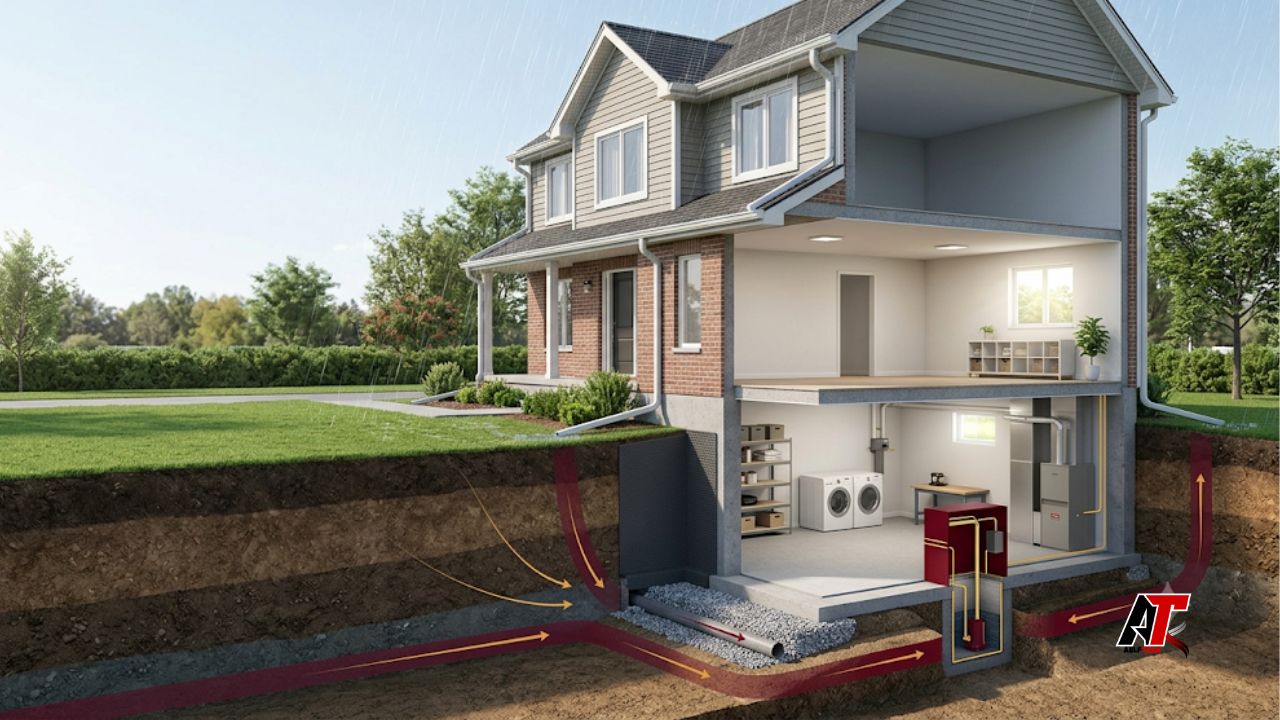
Home maintenance plans usually include roof inspections, HVAC servicing, gutter cleaning, plumbing checks, and seasonal yard work. Yet one of the most important parts of the house is often treated only after a problem appears: the basement. Basement waterproofing deserves a permanent place on every homeowner’s maintenance checklist because water intrusion can damage the foundation, encourage mold growth, reduce usable space, and lead to expensive repairs.
A good waterproofing plan is not limited to applying a sealant after a leak. It is a coordinated approach to keeping rainwater, groundwater, condensation, and plumbing moisture under control. Regular inspections and preventive improvements help homeowners find warning signs early, protect the structure, and avoid emergency decisions during a storm.
Why Basement Moisture Problems Are Easy to Underestimate
Basement moisture often begins quietly. A slightly damp wall, a musty smell after heavy rain, or a small patch of peeling paint may not seem urgent. However, water rarely stays limited to the place where it first appears. It can travel through porous concrete, mortar joints, floor cracks, window wells, plumbing penetrations, and the joint where the foundation wall meets the slab. Once moisture enters, it can affect framing, insulation, stored belongings, finishes, and indoor air quality.
The problem is also seasonal. A basement may look dry during a hot summer and show leakage only during spring snowmelt, extended rainfall, or a sudden storm. That makes it easy for homeowners to postpone action. Including basement waterproofing in a regular maintenance plan changes the approach from reacting to visible damage to managing risk before the next wet season exposes a weakness.
Waterproofing Is More Than Fixing a Visible Leak
A quick patch can stop water from showing at one crack, but it does not always address the pressure or drainage condition that caused the leak. Effective basement waterproofing considers the entire water-management system around and beneath the home. This may include roof runoff, gutters, downspouts, soil grading, foundation cracks, exterior membranes, interior drainage channels, sump pumps, vapor barriers, window-well drainage, and humidity control.
The right solution depends on the source. Surface condensation requires a different response than groundwater pressure. Water entering around a basement window is not managed in the same way as seepage through the wall-floor joint. A maintenance plan should therefore begin with inspection and diagnosis rather than assuming every damp basement needs the same product.
It Protects the Home’s Structural Components
The foundation carries the weight of the house and transfers it safely to the ground. While concrete is strong, it is not completely waterproof. Repeated wetting, freeze-thaw cycles, soil movement, and hydrostatic pressure can contribute to cracking and deterioration over time. Water can also corrode embedded metal, damage mortar, and weaken wood components that remain damp for long periods.
Basement waterproofing helps reduce this repeated exposure. It does not replace structural repair when a foundation has already shifted or failed, but it can remove one of the conditions that accelerates damage. From a maintenance perspective, controlling water is similar to maintaining a roof: the goal is to prevent ongoing intrusion that turns a manageable defect into a major structural project.
It Reduces Mold, Odors, and Indoor Air Concerns
A damp basement can support mold growth on cardboard, wood, drywall, carpet backing, dust, and other organic materials. Even when mold is hidden behind finished walls or beneath flooring, moisture-related odors may spread through the house. Because air naturally moves between lower and upper levels, basement conditions can influence the comfort of living areas above.
Waterproofing works best when paired with moisture control. Sealing entry points, directing drainage, running a reliable sump system, and keeping relative humidity under control all reduce the chance that damp materials will remain wet. Homeowners should also repair plumbing leaks promptly and avoid storing absorbent items directly on a basement floor. These habits support the waterproofing system and make the basement easier to inspect.
It Preserves Usable Space and Property Value
Basements often represent a large share of a home’s potential storage or living space. A dry basement can be used for a workshop, laundry area, home office, gym, recreation room, or organized storage. A wet basement, by contrast, limits how the space can be finished and creates ongoing concern about flooring, furniture, electronics, documents, and seasonal belongings.
Visible water stains, recurring odors, efflorescence, damaged finishes, and an active sump problem can also make buyers cautious. A documented maintenance history is valuable because it shows that water management was treated as an ongoing responsibility rather than hidden until the property was listed. Although no system can guarantee that a basement will never face water, proactive care can make the home easier to maintain, explain, and market.
Preventive Work Usually Costs Less Than Water-Damage Recovery
Water damage can create several expenses at once: emergency pumping, removal of damaged flooring and drywall, mold cleanup, electrical inspection, replacement of stored items, structural repair, and reconstruction. Insurance coverage can vary depending on the source of the water and the policy, so homeowners should not assume every basement incident will be fully covered.
A planned waterproofing budget allows smaller improvements to be handled in stages. Cleaning gutters, extending downspouts, correcting negative grading, sealing a window well, servicing a sump pump, and monitoring a known crack are often easier to schedule than an emergency cleanup. Professional work may still be necessary, but early action gives the homeowner more time to compare options and choose a solution based on diagnosis rather than urgency.
How to Add Basement Waterproofing to a Home Maintenance Plan
A useful maintenance plan assigns tasks by frequency. Homeowners do not need to inspect every component every week, but they should know what to look for and when. The following schedule creates a practical baseline that can be adjusted for local rainfall, soil conditions, foundation type, and the age of the home.
Monthly or Every Few Months
- Walk through the basement and check walls, floors, corners, window wells, plumbing penetrations, and finished surfaces for dampness, stains, peeling paint, or odors.
- Check the sump pit and confirm that the pump is upright, unobstructed, and connected to power. Follow the manufacturer’s testing instructions.
- Monitor basement humidity with an inexpensive hygrometer. Use a dehumidifier when needed and clean its filter and drain line.
- Keep cardboard boxes, fabrics, and valuable items off the floor and a few inches away from exterior walls.
Seasonally and After Major Storms
- Clean gutters and confirm that water flows freely to the downspouts.
- Make sure downspout extensions carry water well away from the foundation and do not create erosion or icy walkways.
- Inspect soil grading. The ground should direct surface water away from the house rather than forming low spots beside the foundation.
- Look for ponding water near walls, overflowing window wells, new cracks, or damp areas that appear after rainfall.
- Before storm season, test any battery backup or secondary sump pump and replace batteries according to the manufacturer’s guidance.
Annually
- Arrange professional service for pumps, drainage components, or waterproofing systems when required by the installer or warranty.
- Review visible foundation cracks and compare them with dated photos to see whether they are stable or changing.
- Inspect exterior caulking, utility penetrations, basement windows, and window-well covers for deterioration.
- Review the maintenance record and schedule repairs before the wettest part of the year.
Warning Signs That Deserve Prompt Attention
Not every sign means a major failure, but recurring or worsening symptoms should not be ignored. Water marks that return after rain, widening cracks, standing water, rust on appliances or metal supports, swollen trim, damp insulation, and persistent odors all justify closer inspection. White powdery deposits on masonry, known as efflorescence, can indicate that moisture is moving through the material even when liquid water is not visible.
Other warning signs include a sump pump that runs continuously, a pit that never receives water during wet weather, downspouts that discharge beside the foundation, or soil that slopes toward the house. Bowing walls, horizontal cracks, significant displacement, or sudden structural changes require evaluation by a qualified professional because waterproofing alone may not correct the underlying issue.
DIY Maintenance Versus Professional Waterproofing
Homeowners can handle many preventive tasks, including gutter cleaning, downspout extensions, basic caulking, dehumidifier maintenance, clearing window-well drains, and visual inspections. These steps are important because even a professionally installed system depends on routine care. However, do-it-yourself coatings and sealants are not a universal solution. Applying a coating over a damp wall may hide the symptom temporarily while water pressure continues behind it.
Professional evaluation is especially helpful when water entry is recurring, the source is unclear, the basement is finished, structural movement is visible, or a drainage system must be installed. Homeowners researching specialized solutions can review information from ACM Basement Waterproofing as one reference when comparing waterproofing approaches, questions to ask, and possible service options. Compare the recommendations with the conditions in your own home and obtain an on-site assessment before approving major work.
Questions to Ask Before Approving Waterproofing Work
A clear proposal should explain where the water is entering, what evidence supports the diagnosis, and how the recommended system will manage that source. Ask whether the work is interior, exterior, or a combination; what preparation is required; how drainage water will be discharged; and whether landscaping, flooring, or wall finishes will need to be removed.
Also ask about sump pump capacity, backup power, maintenance requirements, transferable warranties, exclusions, and what happens if water appears in a different area later. A trustworthy plan should set realistic expectations. Waterproofing is water management, and the best systems combine several controls rather than relying on a single coating or device.
Build a Maintenance Record
Keep photos of cracks, stains, sump-pit water levels, and exterior drainage conditions. Record the date, weather, and location whenever moisture appears. Save invoices, warranties, inspection notes, and equipment model numbers. This record helps identify patterns, supports future service calls, and gives a buyer or home inspector useful context.
A simple digital folder is enough. For more practical guides and resources that help homeowners organize ongoing projects, visit aelftech.com. Consistent documentation is especially useful when more than one contractor, family member, or property manager is involved.
Final Thoughts
Basement waterproofing should be part of every home maintenance plan because water affects more than the basement floor. It can influence structural materials, indoor air, storage, finished space, repair costs, and property value. The most effective approach is preventive: inspect regularly, manage roof and surface drainage, maintain pumps and humidity controls, document changes, and address recurring symptoms early.
A dry basement is not created by one inspection or one tube of sealant. It is the result of a complete water-management strategy that is checked over time. By treating basement waterproofing as routine maintenance, homeowners gain more control over small problems and reduce the chance that the next storm becomes an expensive emergency.
Leave a Reply