
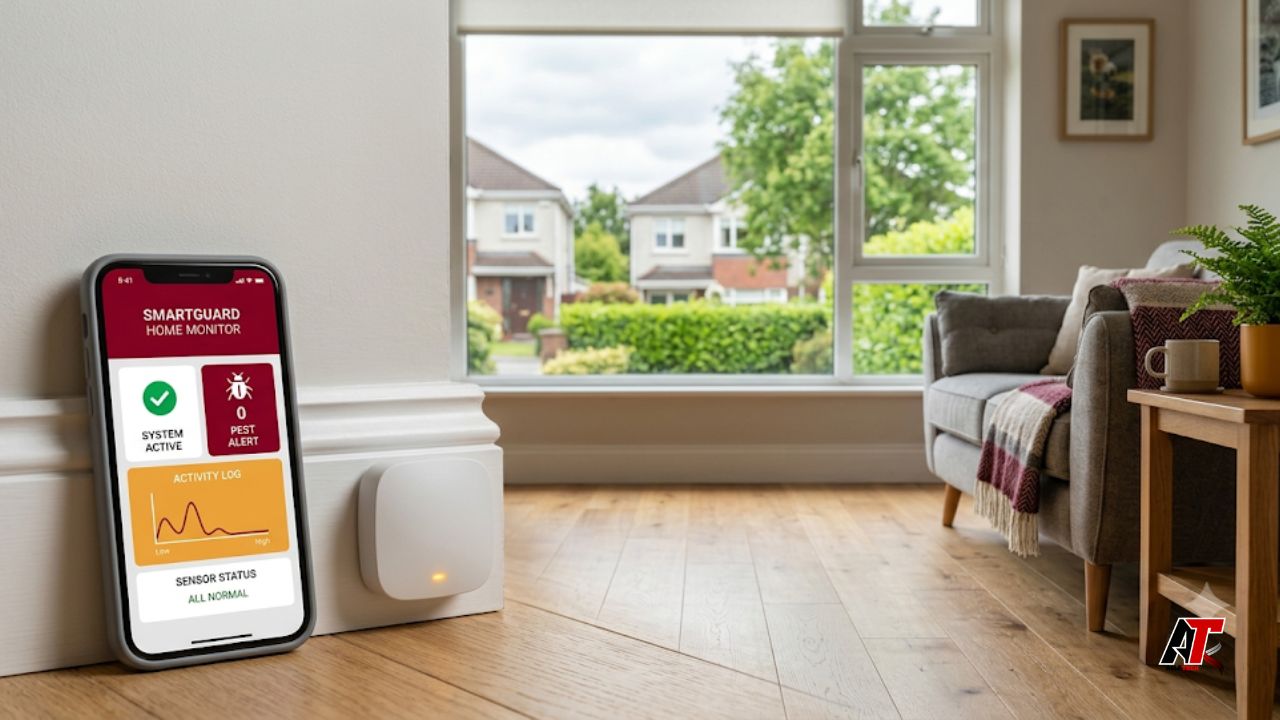
Pest problems often begin quietly. A mouse may enter through a small gap beside a pipe, ants may follow food into the kitchen, or bed bugs may arrive after travel. By the time the signs become obvious, the infestation may already be established. This is why many Irish homeowners are becoming interested in smart pest control technology.
Smart pest control uses connected sensors, digital traps, monitoring devices, data platforms, and modern inspection tools to identify activity earlier. It does not replace professional knowledge. Instead, it gives homeowners and technicians faster alerts and better information about where pests are entering, nesting, or feeding.
For Irish homes, this can protect hygiene, food, sleep, property, and peace of mind. It can also support more targeted treatment and reduce unnecessary pesticide use. The result is a preventive, evidence-based approach that can make a home healthier and safer.
What Is Smart Pest Control Technology?
Smart pest control technology includes devices and software used to detect, monitor, record, or control pests. Traditional pest control often depends on visible signs, scheduled inspections, and traps that must be checked manually. Smart systems add continuous or near-real-time monitoring.
A connected rodent station may use a movement sensor to record activity and send an alert. A digital insect monitor can show whether captures are increasing or decreasing. Thermal cameras, moisture meters, and inspection cameras help technicians examine hidden areas without causing unnecessary damage.
These tools are most effective as part of integrated pest management, also known as IPM. This approach combines prevention, cleaning, proofing, monitoring, and targeted treatment. The response is selected according to the pest, activity level, household risks, and property layout.
Why Early Detection Matters in Irish Homes
Many pests remain hidden during the early stages of an infestation. Rodents move behind walls, under floors, in attics, and around service ducts. Cockroaches prefer dark spaces near warmth and moisture. Bed bugs hide in mattress seams and furniture joints. Wasps may build nests in roof spaces or wall cavities.
A normal inspection provides a useful snapshot, but activity may change between visits. Smart monitors can watch high-risk areas continuously and record movement when no one is present. This may reveal a problem before droppings, gnawing, odours, bites, or visible insects become widespread.
Earlier detection usually means a smaller problem to manage. It can help prevent food contamination, damage to insulation or wiring, and the spread of pests into more rooms. Fast action is especially valuable in homes with children, older adults, pets, allergies, or sensitive food areas.
Connected Rodent Monitoring and Smart Traps
Rodent control is one of the main areas where smart technology is making a difference. Electronic stations can use motion, contact, or infrared sensors to detect visits. Some devices record the time and frequency of movement, while others send an alert when a trap has been activated.
This information helps a technician understand whether activity is occasional or persistent. Repeated alerts in a utility room could point to a gap around pipework, while movement beside an external wall may suggest an entry route near a drain, vent, door, or damaged air brick.
A smart trap combines a control device with a sensor or communication system. When triggered, it records the event and can notify the service provider. This supports faster servicing and prevents traps from being left unchecked for long periods.
The main advantage is a more focused response. A technician can inspect the exact location, check nearby access points, and adjust the plan. Over time, the data can show whether proofing has reduced activity.
Irish guidance supports an integrated approach to rodent management and recognises that rodenticides can create risks for people, animals, and wildlife when used incorrectly. Monitoring helps professionals make decisions based on evidence instead of using products without a clear picture of activity.
Digital Monitoring for Insects
One insect sighting does not always show the size or source of a problem. Digital monitors help by recording captures or activity over time. Some use cameras or image-recognition software to assist with identification, while others detect movement inside a monitoring unit.
This can be useful for crawling insects, moths, flies, stored-product pests, and bed bugs. Monitoring can show whether activity is limited to one room, increasing, falling after treatment, or appearing in a new hotspot.
In a kitchen, monitors near cupboards, appliances, pipe entries, and waste areas may reveal where insects are most active. In bedrooms, properly positioned bed bug monitors can support inspection and follow-up. Technology does not replace a visual survey, but it provides useful evidence between visits.
Modern Inspection Tools Find Hidden Causes
Smart pest control is not limited to connected traps. Modern inspection tools can help locate conditions that allow pests to survive.
Thermal imaging may show temperature differences in concealed spaces. It is not a guaranteed pest detector, but a trained technician can use it with other evidence to investigate possible nesting areas or movement routes.
Moisture meters are also valuable. Leaks, condensation, damp timber, and poor ventilation can support insects and other pests. Correcting the moisture source may be more effective than repeatedly treating visible insects.
Small inspection cameras can examine wall voids, spaces under kitchen units, and narrow service openings. This may reduce unnecessary drilling and helps the technician document the problem clearly.
Data Mapping Makes Treatment More Precise
A major benefit of smart pest control technology is the ability to turn separate observations into a clear activity map. Detection points, trap activations, entry gaps, photographs, and treatment locations can be recorded digitally.
A technician can compare activity by room, date, and device. If most alerts occur beside one external wall, the inspection can focus on that area. If movement stops after an opening is sealed, the record provides evidence that the repair worked.
This is more precise than treating every area in the same way. It supports targeted placement, fewer unnecessary interventions, and better follow-up. Digital records are also useful for landlords, property managers, and homeowners dealing with recurring problems.
Reducing Unnecessary Chemical Use
Smart technology can support lower and more selective pesticide use, although it does not guarantee a chemical-free solution. Its main benefit is better information. When the species, location, and activity level are known, the response can be matched to the real problem.
In some cases, proofing, cleaning, waste control, moisture repair, vacuuming, trapping, heat, or physical removal may be suitable. In others, an approved pesticide may still be needed. Monitoring helps professionals decide where and when treatment is justified.
This matters in homes with children and pets. Products should never be placed casually or where they can be accessed. Consumer rodenticide products must be used according to their labels and, where required, in suitable tamper-resistant bait boxes. A trained provider can assess risks and explain the necessary precautions.
Better Proofing for Long-Term Protection
Long-term pest control depends on exclusion, commonly called proofing. Smart devices may identify the problem area, but physical entry routes still need to be corrected.
Common routes include gaps around pipes, cables, vents, doors, roof edges, drains, and poorly sealed extensions. Suitable repairs may include door brushes, mesh, vent covers, mortar, sealants, and maintenance work. Materials must suit the building and should not block necessary ventilation.
Proofing reduces the chance of pests returning and lowers dependence on repeated treatments. It can also protect stored food, insulation, belongings, and electrical systems.
Faster Reports and Clearer Communication
Digital systems can provide photographs, device locations, activity records, and clear recommendations. Homeowners can see what was found and why a method was selected. They may receive practical actions such as repairing a gap, securing an outdoor bin, removing a food source, or fixing a leak.
When selecting professional pest control services in Ireland, ask how the company monitors activity, controls safety risks, documents treatments, and prevents recurrence. A reliable provider should explain the pest, the evidence, the proposed method, and the steps the household needs to follow.
How Smart Pest Control Supports Healthier Living
Pest control is not only about removing an unwanted animal or insect. It is also about protecting a clean and comfortable living environment.
Rodents can contaminate food and surfaces, damage materials, and create unpleasant odours. Flies and cockroaches can move between waste and food areas. Bed bugs may interrupt sleep and cause stress, even though their presence does not mean a home is dirty. Wasps may create a serious sting risk for someone with an allergy.
Smart pest control shortens the time between early activity and an informed response. It also encourages better food storage, cleaning, waste handling, ventilation, garden maintenance, and building repairs.
At aelftech.com, we believe useful home technology should solve real problems without making daily life more complicated. Smart pest control achieves this when the devices are easy to understand and supported by experienced professionals.
What Technology Cannot Do Alone
Smart devices are helpful, but they are not a complete solution. A sensor may detect movement without identifying the species. A monitor may be installed in the wrong place. Batteries can fail, signals can drop, and alerts can be misunderstood.
Technology also cannot seal a hole, repair a drain, remove contaminated material, or clean a food spill. Professional judgement remains essential to interpret the information, inspect the wider property, protect the household, and follow product instructions.
Choosing a Smart Pest Control Provider
Before booking, ask what technology will be used and why it suits the problem. The provider should explain whether monitoring is temporary or ongoing, how alerts are handled, and what information is collected.
Ask whether the service includes checking entry points, moisture sources, hygiene conditions, and structural defects. It is also reasonable to ask about precautions for children and pets, products used, follow-up visits, written reports, and realistic timelines. A trustworthy provider will explain how progress will be measured rather than promise instant results for every infestation.
Simple Steps Homeowners Can Take
Store food and pet food in sealed containers, clean spills quickly, keep bins closed, and avoid leaving rubbish beside external doors. Check under sinks and behind appliances for leaks. Keep drains, vents, gutters, and air bricks in good condition.
Watch for droppings, gnaw marks, damaged packaging, insect skins, unusual odours, scratching sounds, and repeated bites. Photograph the evidence and note when and where it appeared. These details can help a professional assess the situation more quickly.
The Future of Pest Control in Ireland
Smart pest control is likely to become more common as sensors improve, batteries last longer, and software becomes easier to use. Future systems may combine pest activity with temperature, humidity, building condition, and seasonal trends.
Artificial intelligence may improve insect identification and help filter false alerts. The best technology will detect activity early, protect privacy, support targeted action, and make professional advice easier to understand.
Conclusion
Smart pest control technology is helping Irish homes move from reactive treatment to earlier and more accurate prevention. Connected monitors, smart traps, inspection cameras, thermal tools, moisture meters, and data mapping can reveal activity that may be missed between normal visits.
These tools support faster responses, more precise treatment, safer product use, improved proofing, and clearer communication. However, they work best when combined with professional inspection, hygiene, maintenance, and an integrated pest management plan.
The goal is not to fill a home with devices. It is to use the right tools in the right places, understand why pests are present, and correct the conditions that allow them to return. That balanced approach can help Irish homes remain healthier, safer, and more comfortable throughout the year.
Leave a Reply