
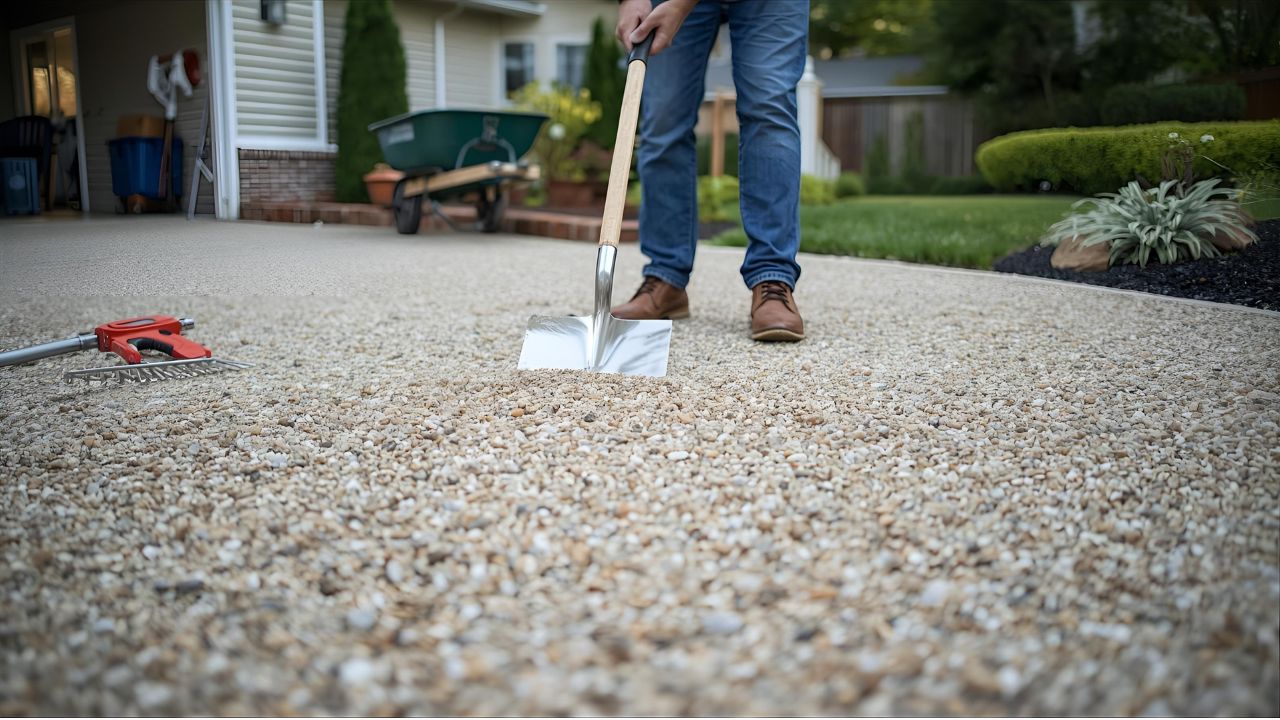
If you’re looking to create a practical, attractive, and affordable driveway, learning how to lay a gravel driveway is a great place to start. Gravel driveways not only enhance your home’s curb appeal but also provide excellent drainage and long-term durability when properly installed.
Whether you’re upgrading an existing surface or building one from scratch, the process can be simple and rewarding with the right preparation and materials.
Why Choose a Gravel Driveway
Before learning how to lay a gravel driveway, it’s important to understand why this option is so popular:
- Cost-effective: Gravel is far cheaper than concrete or asphalt.
- Easy maintenance: You can easily top up or smooth out uneven areas.
- Great drainage: Gravel naturally prevents puddles and water buildup.
- Aesthetic flexibility: Gravel comes in various colors and textures to match your landscape.
These benefits make gravel a top choice for both rural and suburban homeowners.
Tools and Materials You’ll Need
Before starting, gather the following:
- Gravel (three layers: base, middle, and top)
- Shovel and rake
- Wheelbarrow
- Weed membrane or landscape fabric
- Compactor or roller
- Wooden stakes and string
- Tape measure
- Edging materials (timber, metal, or stone)
Having these ready will make the job smoother and help ensure a professional-looking finish.
Step-by-Step: How to Lay a Gravel Driveway
Step 1: Plan and Measure the Driveway Area
Start by marking out the driveway with stakes and string. Measure the width and length to determine how much gravel you’ll need. Make sure the layout allows enough space for vehicles to turn and park comfortably.
Step 2: Excavate the Ground
Dig down to about 10–20 centimeters, depending on the type of soil and how much weight the driveway will bear. Remove any grass, roots, or debris. A flat, even base is crucial for long-term durability.
Step 3: Lay the Weed Membrane
To prevent weeds from growing through the gravel, roll out a weed membrane across the excavated area. Secure it with landscape pins or stakes to keep it in place.
Step 4: Add the Base Layer
Pour in the first layer of larger crushed stone (around 40–50 mm size). Spread it evenly and compact it firmly with a roller or plate compactor. This layer provides strength and stability.
Step 5: Add the Middle Layer
Next, add a slightly smaller gravel layer (about 20 mm). Level and compact it to create a solid, even surface. This middle layer helps distribute weight evenly across the driveway.
Step 6: Add the Top Layer
Finally, spread your chosen decorative gravel (10–15 mm) evenly over the surface. Rake it smooth to achieve an even look. The top layer should be about 4–5 cm thick after compaction.
Step 7: Edge the Driveway
To keep the gravel in place and prevent spreading, install edging along the sides of the driveway. This can be made from wood, metal, or stone depending on your design preference.
Step 8: Compact and Finish
Compact the entire surface one last time. The more tightly packed your gravel is, the more durable and long-lasting your driveway will be.
Maintenance Tips for Your Gravel Driveway
Once you’ve learned how to lay a gravel driveway, keeping it in great shape is easy:
- Rake the surface regularly to even out the gravel.
- Top up with fresh gravel every year or two.
- Remove weeds as they appear.
- Recompact if you notice dips or uneven spots.
Regular care ensures your driveway remains tidy, functional, and visually appealing for years.
FAQs About Laying a Gravel Driveway
Q1: How deep should a gravel driveway be?
A good gravel driveway should have a total depth of around 10–20 cm, including base, middle, and top layers.
Q2: Do I need a weed barrier under the gravel?
Yes, a weed membrane helps prevent unwanted growth while allowing water to drain freely.
Q3: What type of gravel is best for driveways?
Crushed stone or angular gravel is ideal because it interlocks well and provides better traction.
Q4: Can I lay a gravel driveway on soil?
It’s not recommended. Soil can shift and cause unevenness. Always excavate and build a stable base first.
Q5: How often should I top up my gravel driveway?
Typically, every 12–24 months, depending on how much traffic your driveway gets.
Final Thoughts
Knowing how to lay a gravel driveway gives you the power to transform your outdoor space without breaking the bank. With careful preparation, proper layering, and ongoing maintenance, a gravel driveway can last for many years while adding rustic charm to your home.
If you take the time to do it right the first time, you’ll enjoy a functional, low-maintenance, and attractive driveway that stands the test of time.
Leave a Reply