
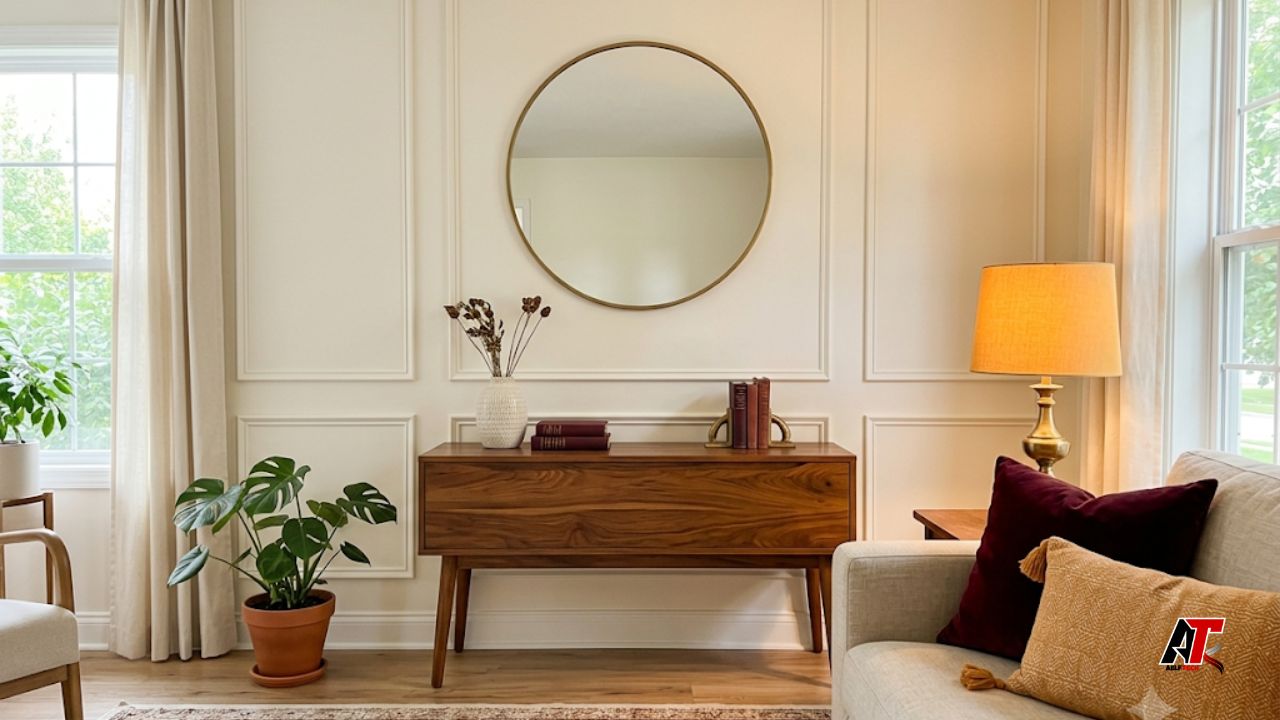
Celebrity homes often look effortless, but the polished result usually comes from careful planning rather than from filling every room with costly items. Designers create visual impact through proportion, lighting, texture, color, and thoughtful placement. These same principles can work in an apartment, a family home, or a small rental without requiring a celebrity-level budget.
The best budget-friendly celebrity home design ideas focus on what people notice first. A calm color palette, one memorable feature, good lighting, and an uncluttered layout can make a room feel more expensive almost immediately. Instead of copying an entire celebrity interior, select the details that suit your space, daily routine, and personal taste. The following ideas explain how to achieve a refined look while controlling costs and avoiding unnecessary purchases.
Why Celebrity Homes Feel So Well Designed
Most celebrity interiors share a few basic qualities. Rooms have a clear purpose, furniture is arranged to support movement, and decorative pieces are edited rather than crowded together. Large homes may feature custom architecture, but their appeal often depends on simple design choices that are easy to adapt. Repetition also matters. When the same wood tone, metal finish, or accent color appears in several places, the home feels connected.
Another important lesson is that luxury is not the same as excess. A room can feel high-end with fewer objects when every piece has enough visual space. This is helpful for budget decorating because it encourages you to buy less and choose more carefully. Begin by studying the room you already have. Identify the strongest feature, remove items that create visual noise, and decide what mood you want before spending money.
1. Start With a Calm, Neutral Foundation
Many celebrity homes use warm white, cream, beige, soft gray, or muted earth tones as a foundation. Neutral colors make rooms feel open and allow art, furniture, and accessories to stand out. You do not need to repaint the whole house. Updating one main wall, refreshing worn trim, or using a large neutral rug can create a similar effect.
Choose a neutral shade that works with the natural light in your room. Cool white can feel crisp in a bright modern space, while warm ivory often suits rooms with wood furniture and softer lighting. Before painting, test a small sample at different times of day. A thoughtful color choice is inexpensive compared with replacing furniture and can completely change how the room feels.
2. Create One Strong Statement Moment
Celebrity rooms often contain one feature that immediately draws attention. It might be oversized artwork, a sculptural chair, a dramatic mirror, or a bold stone fireplace. A budget version can be just as effective when the scale and placement are right. Select one focal point instead of spreading small decorative purchases around the entire room.
For example, frame a large printable artwork, paint an arch behind a console, hang a secondhand mirror above a mantel, or group several simple frames into one balanced gallery. The goal is not to imitate a specific mansion. It is to give the eye a clear place to rest. When the focal point is strong, the rest of the room can remain simple, which saves money and prevents clutter.
3. Mix Affordable Finds With a Few Better Pieces
Professional designers regularly combine custom items with vintage furniture, retail pieces, and simple accessories. You can use the same high-low approach. Spend more on items that receive heavy use, such as a supportive sofa, mattress, or dining chairs. Save on side tables, decorative trays, cushion covers, frames, and seasonal accessories.
A room does not need to be filled with expensive furniture to look considered. Clean lines, correct scale, and coordinated finishes matter more than a famous label. Browse local resale listings, clearance sections, outlet stores, and estate sales. A well-built secondhand item can often be refreshed with paint, new hardware, or professional cleaning for far less than the cost of buying new.
4. Upgrade the Lighting in Layers
Lighting is one of the fastest ways to make a home feel more polished. Celebrity interiors rarely rely on a single ceiling fixture. They combine overhead lighting with floor lamps, table lamps, wall lights, and subtle accent lighting. This creates depth and allows the mood to change throughout the day.
Start by replacing harsh bulbs with bulbs that share the same color temperature. Add a floor lamp near a reading chair and a small lamp on a console or sideboard. If electrical work is not possible, use plug-in wall sconces or rechargeable picture lights. A simple dimmer, where compatible and safely installed, can also make evening lighting feel softer. Choose lamp shapes that repeat other curves or lines in the room for a more coordinated result.
5. Layer Texture Instead of Adding More Color
High-end neutral rooms remain interesting because they include several textures. Linen, cotton, wool, wood, glass, leather, ceramic, and woven fibers reflect light differently and give the space depth. This technique is especially useful when you want a celebrity-inspired look without purchasing large new items.
Begin with textiles. Add a textured throw, two or three cushion covers, and curtains that reach close to the floor. Use a woven basket for storage and place a ceramic vase on a wood table. Keep the colors related so the textures become the main feature. Avoid buying every item at once. Build the room slowly and stop when it feels comfortable rather than overly styled.
6. Make Walls Look More Architectural
Custom wall details are common in luxury homes, but several affordable methods can create a similar impression. Peel-and-stick molding, narrow wood strips, removable wallpaper, and paint blocking can add structure to a plain wall. Even a carefully placed picture ledge can make a room feel designed rather than unfinished.
For a classic look, create simple rectangular wall frames with lightweight molding and paint them the same color as the wall. For a modern room, use vertical wood strips behind a television or desk. Renters can choose removable products and test them in a hidden area first. Measure twice, keep spacing consistent, and avoid covering every wall. One architectural feature is usually enough to improve the whole space.
7. Style Surfaces With Fewer, Larger Objects
Celebrity homes photographed for magazines often appear calm because tables and shelves are not filled with many tiny objects. Larger items create stronger shapes and are easier to keep organized. Try using a stack of two books, one bowl, a medium vase, and a framed photograph instead of a collection of unrelated ornaments.
Use the rule of varied height. Combine one tall item, one medium item, and one low item, while leaving some empty space around them. Group objects on a tray to make a coffee table or kitchen counter look organized. You can also rotate decor from other rooms rather than buying something new. Editing is free, and it often makes a bigger difference than adding another accessory.
8. Create a Hotel-Like Bedroom
Celebrity bedrooms often feel luxurious because they are quiet, symmetrical, and comfortable. You can recreate this mood with clean bedding, matching bedside lighting, and a clear view around the bed. Start with the bedding you already own. Remove heavily worn pieces, use a simple color combination, and arrange pillows in a practical way rather than creating a display that is difficult to maintain.
Hang curtains higher and wider than the window to make the room feel taller. Add a washable rug beside or under the bed, and keep bedside surfaces mostly clear. A padded headboard can become the main feature, but an affordable painted headboard shape or a large textile panel can also work. The goal is to create a restful room, not a showroom. Comfort, darkness, and easy storage should guide every decision.
9. Give the Dining Area an Entertaining Feel
Celebrity homes are often designed for entertaining, but a welcoming dining space does not require a formal room. A small table can feel special with a simple pendant light, a centered bowl or vase, and enough open space for people to sit comfortably. Matching every chair is optional. A coordinated mix can look intentional when the seat height and overall proportions are similar.
Use cloth napkins, a runner, candles, or greenery when guests arrive, then store these items when they are not needed. A large mirror can reflect light and make a narrow dining area appear wider. Consider how purchases can serve more than one purpose. Before buying decor or household items, review your budget and check whether programs you already use provide reward points or other legitimate benefits that fit your normal spending. The saving should support a planned purchase rather than encourage unnecessary shopping.
10. Bring Nature and Outdoor Calm Inside
Large windows, natural materials, and indoor greenery are common in celebrity homes because they make spaces feel relaxed. You can create this connection without rebuilding the room. Keep windows clear, use light-filtering curtains, and place mirrors where they can reflect daylight. Add one healthy plant in a scale that suits the room instead of scattering many small pots across every surface.
Branches from your garden, dried stems, or seasonal greenery can create an impressive arrangement in a simple vase. Wood bowls, stone-look planters, and woven materials also add a natural feeling. Choose low-maintenance plants if your schedule is busy, and use realistic artificial greenery only when natural plants will not survive in the available light.
Plan the Room Before You Shop
The easiest way to overspend is to shop without a plan. Measure the room, photograph it in daylight, and write down the items that are actually missing. Create a basic mood board with your preferred colors, shapes, and materials. Then set a total budget and divide it into categories such as paint, lighting, textiles, storage, and one focal piece.
Shop in stages. Complete the layout and lighting first, then add textiles and art. Live with each update for a few days before making the next purchase. This slower method helps you notice what the room truly needs and reduces returns. For more practical ideas related to homes, technology, and everyday improvement, explore aelftech.com.
Common Budget Design Mistakes to Avoid
The first mistake is buying a small version of every trend. Too many trendy objects can make a room look busy and quickly outdated. Choose one trend that works with your existing style and use it in a limited way. The second mistake is ignoring scale. A rug that is too small, curtains that stop at an awkward height, or artwork that floats far above furniture can make even good items look disconnected.
Another mistake is prioritizing appearance over function. A pale sofa may look beautiful online but may not suit a home with pets or young children. Open shelving can look stylish, but it requires regular organization. Select materials and layouts that support your real life. Finally, do not begin several rooms at the same time. Completing one visible area gives you a stronger result and makes it easier to understand what is worth repeating elsewhere.
Conclusion
A celebrity-inspired home is achievable without copying costly rooms or purchasing designer labels. The most useful lessons are simple: establish a calm foundation, choose one focal point, layer lighting and texture, improve scale, and leave enough empty space for each element to be noticed. These choices create order and visual confidence, which are major parts of a luxurious look. Use your budget where comfort and durability matter, and find creative alternatives for decorative details. Measure carefully, shop slowly, and select ideas that make your daily routine easier. With a clear plan and a few thoughtful updates, any home can feel more refined, personal, and welcoming
Leave a Reply