
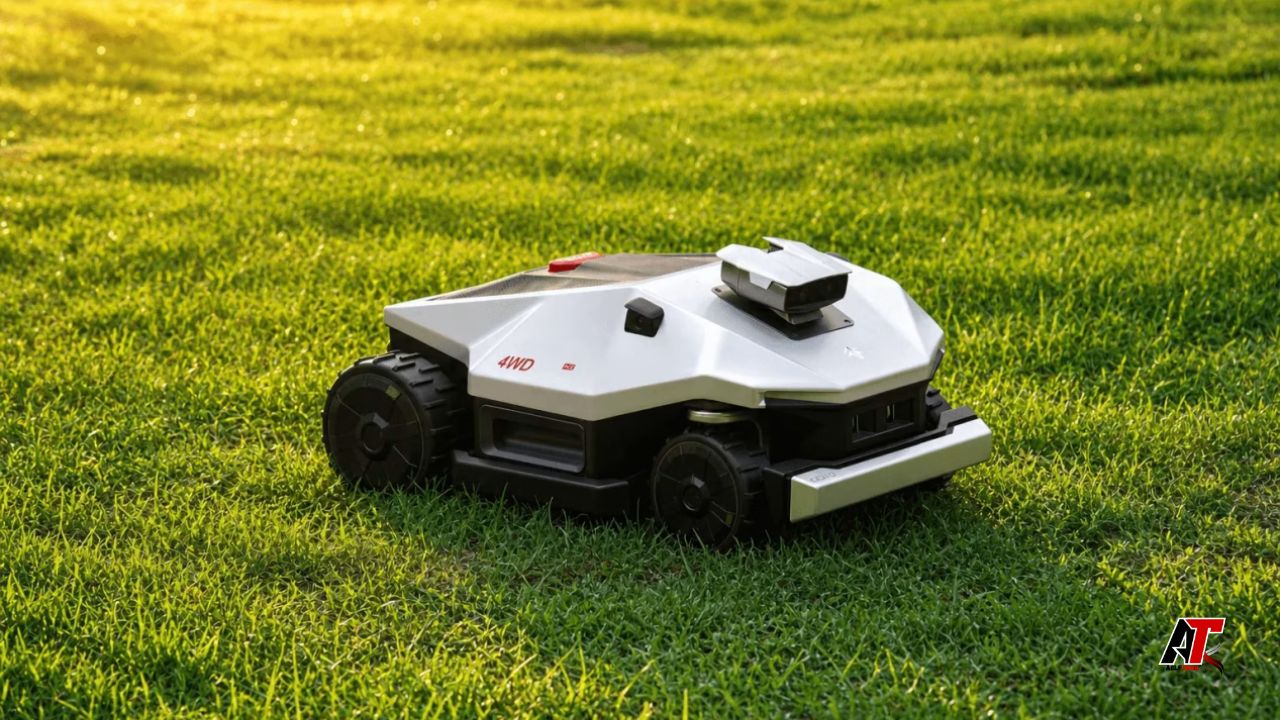
Maintaining a healthy lawn traditionally requires regular mowing, time, and physical effort. Advances in smart home technology have introduced automated solutions that can simplify routine yard maintenance. An Autonomous Lawn Mower is a robotic device designed to mow grass with minimal manual intervention by navigating a designated lawn area according to its programming and built-in sensors. These machines have become increasingly popular among homeowners looking for a convenient way to maintain their lawns while reducing the time spent on routine landscaping.
What Is an Autonomous Lawn Mower?
An autonomous lawn mower is a robotic lawn maintenance device that operates independently within a defined mowing area. Using sensors, navigation technology, and programmed schedules, the mower cuts grass automatically while avoiding many common obstacles.
Depending on the model, navigation may rely on:
- Boundary wires
- GPS-assisted positioning
- Camera systems
- Sensor-based navigation
- Artificial intelligence features
The exact technology varies by manufacturer and product model.
How Does an Autonomous Lawn Mower Work?
Although designs differ, most robotic lawn mowers follow a similar operating process.
The general workflow includes:
- The mowing area is configured.
- The mower follows a programmed schedule.
- Sensors monitor obstacles and terrain.
- Grass is trimmed gradually over multiple mowing sessions.
- The mower returns to its charging station when necessary.
Many models are designed to operate regularly, maintaining consistent grass height rather than cutting large amounts at one time.
Key Features
Automatic Scheduling
Many robotic mowers allow users to set mowing schedules based on preferred days and times.
Smart Navigation
Modern models may use advanced navigation systems to improve mowing efficiency and coverage.
Obstacle Detection
Built-in sensors help detect objects such as trees, garden furniture, or landscaping features.
Automatic Charging
When battery power becomes low, many autonomous lawn mowers return to their charging station automatically.
Mobile App Integration
Some models support smartphone applications that allow users to:
- Monitor mower status
- Adjust schedules
- Receive notifications
- Review operating history
Available features depend on the manufacturer.
Benefits of Using an Autonomous Lawn Mower
Time Savings
Automated mowing reduces the need for routine manual lawn maintenance.
Consistent Lawn Appearance
Frequent mowing can help maintain an even lawn height throughout the growing season.
Quiet Operation
Many robotic lawn mowers operate more quietly than traditional gasoline-powered equipment.
Reduced Physical Effort
The mower performs routine cutting automatically, requiring less manual work from the homeowner.
Energy Efficiency
Many robotic models operate using rechargeable batteries instead of gasoline engines.
Lawn Size Considerations
Different models are designed for different property sizes.
Before purchasing, consider:
- Total lawn area
- Terrain complexity
- Number of separate mowing zones
- Slopes
- Obstacles
Manufacturers typically provide recommended coverage areas for each model.
Safety Features
Modern robotic lawn mowers often include built-in safety systems.
Examples may include:
- Lift sensors
- Tilt sensors
- Emergency stop buttons
- Obstacle detection
- Automatic blade shutdown
Specific safety features vary between models.
Maintenance Requirements
Although robotic mowers reduce routine labor, they still require periodic maintenance.
Common tasks include:
- Cleaning grass debris
- Inspecting wheels
- Checking blades
- Replacing worn cutting blades
- Cleaning sensors
- Updating software where supported
Following the manufacturer’s maintenance recommendations helps maintain performance.
Factors to Consider Before Buying
Navigation Technology
Compare how different models navigate the mowing area.
Battery Performance
Battery capacity influences mowing time and charging frequency.
Weather Resistance
Review the manufacturer’s guidance regarding operation in rain or wet conditions.
Connectivity
Some users may prefer models with Wi-Fi, Bluetooth, or mobile application support.
Warranty
Review warranty coverage and available customer support before making a purchase.
Environmental Considerations
Battery-powered robotic lawn mowers may offer environmental advantages compared to some traditional gasoline-powered equipment.
Potential benefits include:
- Lower operating noise
- Reduced local emissions during operation
- Efficient battery usage
Environmental impact depends on the overall product lifecycle and energy source used for charging.
Tips for Better Performance
To maximize mowing efficiency:
- Keep the lawn free of large debris.
- Inspect blades regularly.
- Follow recommended maintenance schedules.
- Position the charging station appropriately.
- Update software if available.
Proper setup contributes to smoother operation.
The Future of Robotic Lawn Care
Autonomous landscaping technology continues evolving.
Emerging developments include:
- AI-assisted navigation
- Improved GPS accuracy
- Vision-based obstacle recognition
- Smarter route optimization
- Enhanced battery technology
- Greater smart home integration
These innovations continue improving convenience and mowing efficiency.
FAQs
What is an autonomous lawn mower?
An autonomous lawn mower is a robotic device designed to mow lawns automatically using navigation technology, sensors, and programmable schedules.
Do autonomous lawn mowers require boundary wires?
Some models use boundary wires, while others rely on GPS, cameras, or advanced sensor systems. The technology depends on the specific product.
Can robotic lawn mowers handle slopes?
Many models are designed to operate on moderate slopes. Maximum slope capability varies by manufacturer and should be verified before purchase.
How often should I maintain an autonomous lawn mower?
Maintenance schedules differ between models, but regular cleaning, blade inspection, and software updates (when available) help maintain reliable performance.
Are autonomous lawn mowers suitable for every lawn?
Suitability depends on factors such as lawn size, terrain, obstacles, and the mower’s design specifications.
Conclusion
An Autonomous Lawn Mower offers a convenient approach to routine lawn maintenance by combining smart navigation, automated scheduling, and rechargeable battery technology. While the ideal model depends on your lawn size, terrain, and desired features, robotic mowers can reduce manual effort while helping maintain a consistently trimmed lawn. By comparing navigation systems, battery performance, safety features, and maintenance requirements, homeowners can choose a solution that best fits their landscaping needs.
Leave a Reply