
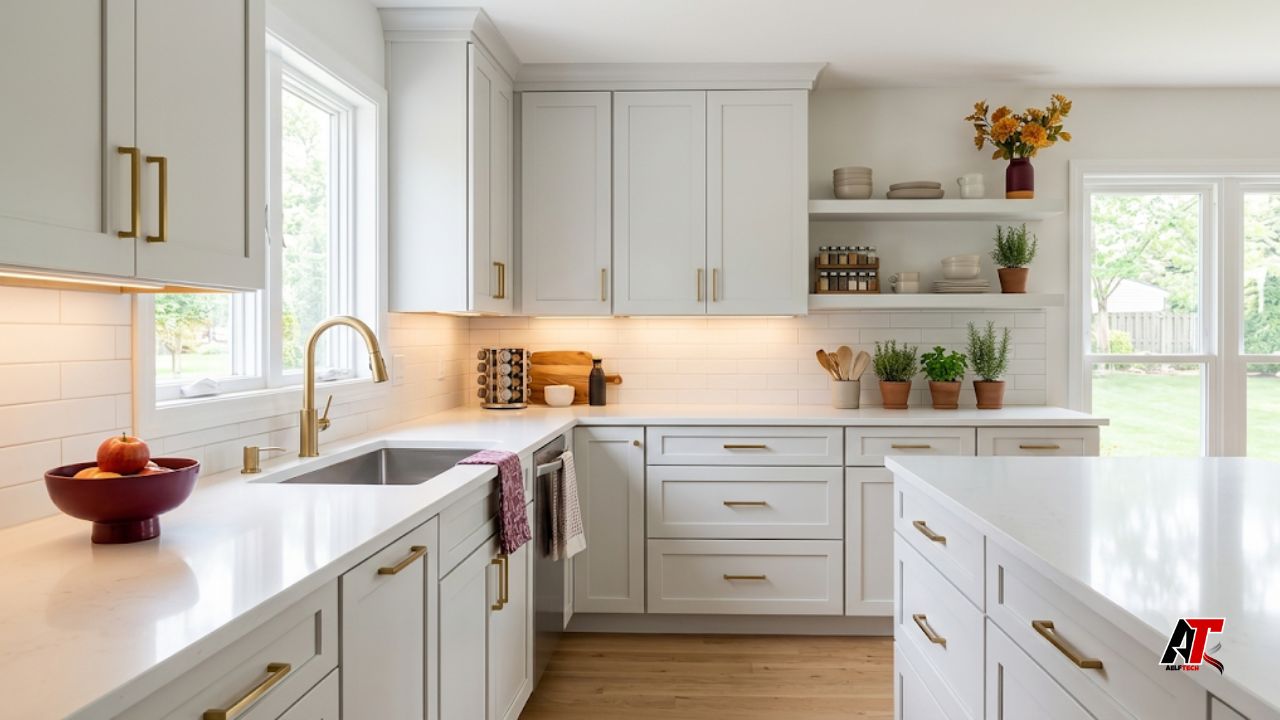
A kitchen has a powerful effect on how people feel about a home. Buyers often see it as the center of daily life, so a space that looks clean, bright, practical, and well maintained can strengthen the overall impression of the property. The good news is that you do not always need a full renovation to create that effect. Carefully selected affordable kitchen upgrades can refresh the room, solve visible problems, and support home value without creating a large construction project.
The best low-cost improvements focus on what people notice first: cabinet condition, lighting, wall color, hardware, work surfaces, storage, and cleanliness. Instead of replacing everything, look for parts that can be repaired, refinished, or updated. This approach keeps spending under control while giving the kitchen a more consistent and modern appearance.
Why Small Kitchen Improvements Can Have a Big Effect
A dated kitchen may still function well, but worn finishes, dim corners, loose handles, cluttered counters, or mismatched colors can make the entire home feel older. Small upgrades work because they improve the visual signals buyers use when judging condition. Fresh paint suggests care. Smooth cabinet doors suggest good maintenance. Better light makes surfaces look cleaner and the room feel larger.
Affordable projects also reduce the risk of over-improving. A luxury renovation may not suit the neighborhood, the home price, or the next buyer’s taste. By improving the existing layout and correcting obvious weaknesses, you can make the room more appealing while protecting your budget.
1. Repaint the Walls With a Light, Timeless Color
Paint is one of the fastest and least expensive ways to change a kitchen. Grease marks, faded color, and heavy shades can make the room feel smaller or less hygienic. A fresh coat in a warm white, soft beige, pale gray, or muted greige creates a clean background that works with many cabinet and countertop colors.
Choose a washable finish made for kitchens, especially near the cooking and sink areas. Before painting, clean the walls thoroughly, fill small holes, and use primer over stains. Neutral does not have to mean boring. You can add warmth through wood accessories, plants, towels, or a small amount of color that is easy to change later.
2. Refresh the Cabinets Instead of Replacing Them
Cabinets cover a large part of the kitchen, so their condition strongly affects the room. Full replacement is expensive and may be unnecessary when the cabinet boxes are solid and the layout works. Cleaning, repainting, refinishing, or refacing can deliver a major visual improvement for much less money.
Painting is suitable when the surfaces are stable and properly prepared. Refacing is a stronger option when you want new doors, drawer fronts, and visible finishes while keeping the existing cabinet structure. Homeowners researching professional options can compare cabinet refacing services in Milwaukee to understand how this process can modernize a kitchen with less demolition and disruption than a full cabinet replacement.
Do not ignore small repairs. Adjust crooked hinges, replace damaged shelf pins, tighten loose doors, and add soft-close hardware where practical. These details make the kitchen feel better built and better cared for.
3. Replace Knobs, Pulls, and Handles
New cabinet hardware is a simple upgrade with a surprisingly strong effect. Old-fashioned, tarnished, or mismatched handles can date otherwise serviceable cabinets. Replacing them with a coordinated style creates a cleaner and more intentional look.
To keep the job easy, select hardware that fits the existing holes. Common finishes include brushed nickel, matte black, warm brass, and stainless steel. Match the finish to nearby items such as the faucet, light fixtures, and appliances, but avoid forcing every metal in the room to be identical. A balanced combination usually looks more natural.
4. Improve the Lighting in Layers
Poor light can make even a renovated kitchen feel dull. Start by replacing weak or outdated bulbs with efficient options that provide clear, comfortable illumination. Then think in layers: general ceiling light for the room, task light over counters and the sink, and a small decorative or accent light where it adds character.
Under-cabinet strips or puck lights are especially useful because they brighten work surfaces without taking up space. A simple pendant above an island or breakfast area can create a focal point. Research on Lighting also shows that light exposure is connected with mood and behavioral state, which helps explain why a brighter, well-planned kitchen can feel more pleasant and welcoming.
Use consistent bulb color throughout the room. Warm to neutral white light often suits residential kitchens, while very blue or harsh light may make the space feel clinical. Make sure every installation is safe and completed according to local electrical requirements.
5. Add a Simple, Easy-to-Clean Backsplash
A backsplash protects the wall and gives the kitchen a finished appearance. You do not need a complex pattern or premium stone to make an impact. Classic ceramic subway tile, simple square tile, beadboard made for suitable locations, or a quality peel-and-stick product can refresh the area behind the counters.
Keep the design fairly neutral if resale is a priority. Strong patterns can divide buyers, while a simple backsplash creates texture without controlling the whole room. Good preparation matters: the wall should be clean, smooth, dry, and correctly measured before installation.
6. Upgrade the Faucet and Improve the Sink Area
The sink is used constantly, so a stained faucet, weak spray, leaking handle, or damaged seal is easy to notice. A new faucet can improve both appearance and daily function. Useful features may include a pull-down spray head, a high-arc spout, easy-clean finish, and water-saving performance.
You may not need to replace the sink itself. Deep cleaning, fresh caulk, a new drain basket, and repaired plumbing can make the area feel much newer. If replacement is necessary, choose a size that fits the existing cabinet and countertop opening to avoid extra work.
7. Make Selective Countertop Improvements
Countertops are visually important, but complete replacement can consume a large part of the budget. First assess whether the surface can be improved through deep cleaning, stain treatment, regrouting, resealing, edge repair, or replacement of a damaged section.
When new counters are needed, compare durable mid-range materials rather than selecting only by appearance. Laminate now comes in many convincing designs, while butcher block can work well in selected areas when properly maintained. A small island top or one damaged run can sometimes be replaced without changing every surface. Consistency, condition, and clean edges matter more than choosing the most expensive material.
8. Use Appliances Strategically
Replacing every appliance is not automatically the best investment. Start with maintenance: clean the oven, remove grease from the hood, replace worn filters, repair small faults, and touch up minor cosmetic damage when safe. A well-kept appliance often presents better than a neglected newer model.
If one appliance is clearly failing or badly mismatched, replace that item first. Look for a reliable model with a finish that coordinates with the room. Before buying, measure the opening, check door clearance, confirm electrical or gas needs, and consider energy use. Avoid paying for advanced features that are unlikely to matter to typical buyers.
9. Add Practical Storage and Reduce Counter Clutter
A kitchen feels more valuable when it appears easy to use. Low-cost organizers can improve existing cabinets without changing the layout. Consider pull-out bins, shelf risers, tray dividers, drawer inserts, door-mounted racks, or a simple lazy Susan for a difficult corner.
Open counters also make the room feel larger. Keep only a few attractive and frequently used items on display. Store cleaning products, small appliances, paperwork, and extra dishes out of sight. Before listing a home, remove enough items from cabinets and drawers to show that useful storage remains available.
10. Repair or Refresh the Flooring
Kitchen floors face spills, traffic, and dropped objects. Buyers quickly notice cracked tiles, lifting edges, dark grout, or damaged transitions. Begin with a deep clean and targeted repairs. Regrouting, replacing a few broken tiles, securing loose boards, or adding a neat transition strip may be enough.
If the floor needs replacement, consider durable materials that suit the home’s price point and nearby rooms. Luxury vinyl plank, sheet vinyl, or affordable tile can offer a clean appearance and practical maintenance. Avoid creating a sharp visual break between the kitchen and connected living areas.
11. Improve Ventilation and Remove Odors
A kitchen should smell fresh and feel comfortable. Clean the range hood, replace or wash its filter, and confirm that the fan works properly. If the hood vents outside, make sure the duct is not blocked. Clean refrigerator drip areas, garbage disposal components, drains, and hidden grease around appliances.
Persistent moisture or odor should be investigated rather than covered with fragrance. Repair leaks, replace damaged caulk, and address any visible mold safely. Good ventilation protects finishes and helps the room feel healthier and better maintained.
12. Finish With Low-Cost Styling
After the repairs are complete, use a few simple details to present the kitchen well. Matching towels, a clean runner, one plant, a bowl of fruit, or a small wooden board can add warmth. Keep the refrigerator mostly clear and remove crowded decorations from cabinet tops.
Styling should support the room, not hide it. The goal is to help people see the available counter space, natural light, and practical layout. A clean, calm kitchen usually photographs better and gives buyers more freedom to imagine their own belongings in the space.
How to Prioritize Affordable Kitchen Upgrades
Begin with condition and safety before appearance. Fix leaks, faulty wiring, loose doors, damaged flooring, and ventilation problems first. Next, focus on cleaning and paint because these steps improve almost every other feature. Then choose one or two high-impact visual upgrades, such as cabinet refacing, new hardware, improved lighting, or a backsplash.
A useful budget order is:
- Repairs, deep cleaning, and decluttering.
- Paint and caulk.
- Cabinet and hardware improvements.
- Lighting and plumbing fixtures.
- Backsplash, counters, flooring, or appliances only where needed.
Before spending, compare the cost with the home’s likely selling range and the standards of similar properties nearby. Keep receipts, warranties, paint colors, and product details for future reference.
Common Mistakes to Avoid
Even affordable kitchen upgrades can waste money when they are poorly planned. Avoid starting several projects without a clear order, using trendy finishes on every surface, or selecting materials that are difficult to clean. Do not cover structural, moisture, electrical, or plumbing problems with cosmetic work.
Another mistake is mixing too many colors and styles. Choose a simple palette and repeat key finishes so the room feels connected. Measure carefully before ordering hardware, appliances, sinks, or lighting. For regulated work, hire a qualified professional instead of risking unsafe installation or expensive damage.
Final Thoughts
The most effective affordable kitchen upgrades are not always the largest. A bright room, smooth cabinet doors, clean walls, working fixtures, useful storage, and coordinated finishes can completely change how a kitchen is experienced. These improvements show care and reduce the number of visible issues a future buyer may add to a mental repair list.
Plan around the condition of the existing kitchen, the home’s price level, and the needs of likely buyers. Repair first, improve what already works, and spend more only where the change will be clearly seen or felt. For more practical property, technology, and improvement insights, visit aelftech.com USA.
Leave a Reply