
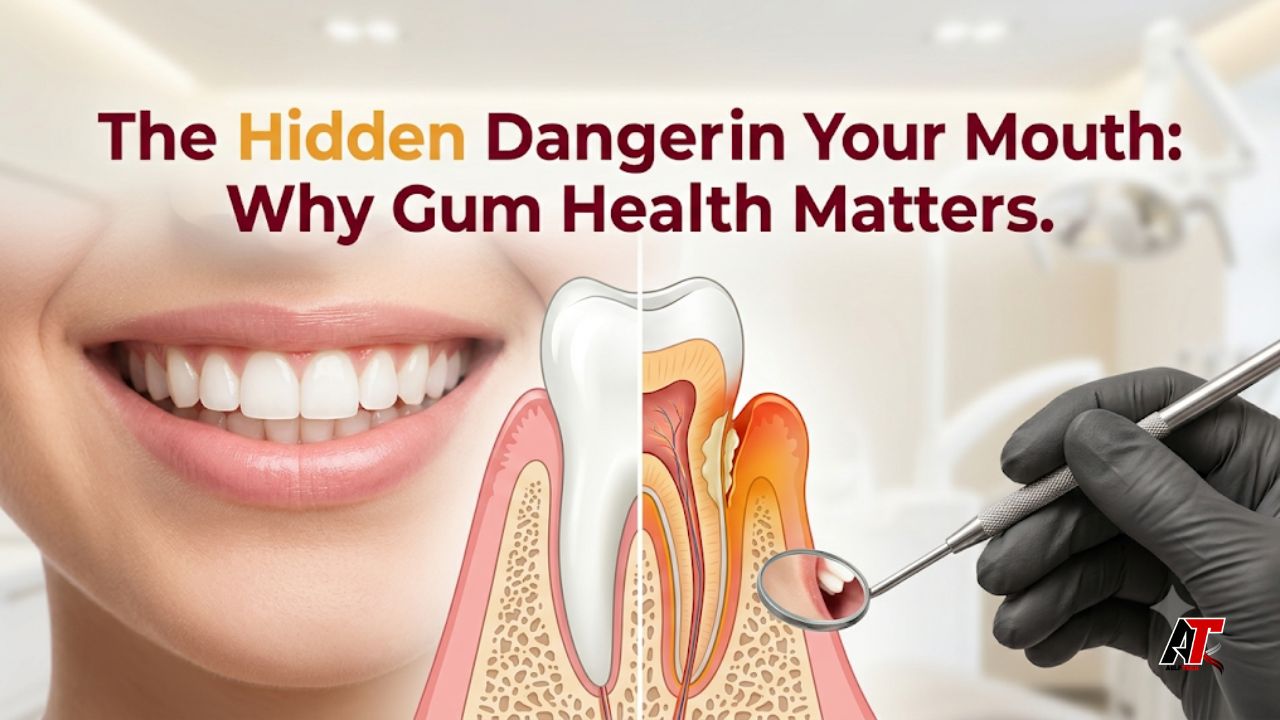
Most people expect a serious mouth problem to hurt. Gum disease often breaks that expectation. It can begin as mild inflammation along the gumline, progress slowly, and damage the tissues and bone that support the teeth before obvious pain appears. That quiet progression is why gum disease is sometimes described as a hidden danger: the mouth may feel normal while the condition is becoming harder to reverse.
Healthy gums are not simply a cosmetic frame around the teeth. They form a protective seal, help stabilize the teeth, support comfortable chewing, and make daily cleaning easier. Paying attention to gum health can help preserve natural teeth, reduce the need for complex treatment, and protect everyday comfort and confidence. This guide from team aelftech.com explains why gum health matters, how problems develop, which warning signs deserve attention, and what practical habits make the greatest difference.
What Healthy Gums Actually Do
Gums, or gingiva, are part of the tooth-supporting system known as the periodontium. This system also includes the periodontal ligament, cementum on the tooth root, and the jawbone surrounding each tooth. Together, these structures hold teeth in place and absorb the forces created by biting and chewing.
Healthy gums usually look firm, fit closely around the teeth, and do not bleed during gentle brushing or interdental cleaning. Their close attachment helps limit the space where plaque bacteria can collect below the gumline. When inflammation causes the gums to swell or pull away from the teeth, deeper spaces called periodontal pockets may develop. These pockets can trap plaque and tartar beyond the reach of an ordinary toothbrush.
Gum health also affects speech, appearance, fresh breath, and the ability to enjoy a varied diet. Receding gums can expose sensitive root surfaces, while advanced loss of support can make teeth shift or feel loose. Protecting the gums is therefore central to maintaining the whole mouth, not an optional extra after cavity prevention.
Why Gum Disease Can Remain Hidden
The early stage of gum disease, gingivitis, often produces subtle changes rather than strong pain. A person may notice a little blood in the sink, mild puffiness, or occasional bad breath and assume these are normal. Because the symptoms may come and go, it is easy to postpone a dental visit.
Pain is an unreliable measure of severity. The tissues can remain chronically inflamed without triggering the sharp warning sensation commonly associated with a toothache. Gum disease also tends to progress gradually, allowing people to adapt to small changes in gum color, tooth spacing, or chewing comfort. Smokers may notice even less bleeding because tobacco can alter the normal inflammatory response, despite increasing the risk of serious periodontal disease.
Another reason the condition stays hidden is that much of the important damage occurs below the gumline. Bone loss and deepening pockets cannot be judged accurately by looking in a mirror. Dentists and dental hygienists use periodontal measurements, clinical examination, and sometimes X-rays to identify changes that are not visible or painful. Routine professional evaluation matters precisely because feeling fine does not always mean the gums are healthy.
From Gingivitis to Periodontitis
Gum disease generally begins when plaque, a sticky bacterial film, accumulates along and between the teeth. If plaque is not removed consistently, it can harden into tartar, which cannot be brushed away at home. The nearby gum tissue becomes inflamed, producing gingivitis. At this stage, the gums may be red, swollen, or prone to bleeding, but the supporting bone has not yet been destroyed. Gingivitis is usually preventable and can often be reversed with professional care and improved daily cleaning.
When inflammation extends deeper, gingivitis can progress to periodontitis. The gum attachment begins to break down, pockets deepen, and the immune response contributes to damage of the connective tissues and bone around the teeth. Periodontitis cannot simply be brushed away or fully reversed, although professional treatment can slow and manage it.
Without management, teeth may become sensitive, shift position, feel loose, or eventually be lost. This progression explains why early action is so valuable. Treating inflammation before major attachment and bone loss usually involves less discomfort, lower cost, and a better long-term outlook than waiting for mobility or pain.
Warning Signs You Should Not Ignore
Gum disease may be quiet, but it is not always completely invisible. The key is to recognize small changes and avoid dismissing them as harmless. Bleeding during brushing or flossing is one of the most common early signs. Healthy gums should not bleed routinely when cleaned gently with proper technique.
Other warning signs include persistent bad breath, gums that appear red or swollen, tenderness, gum recession, teeth that look longer, new spaces between teeth, sensitivity near the gumline, pus around a tooth, changes in the bite, and partial dentures that no longer fit as before. Painful chewing and loose teeth often suggest more advanced involvement and should be assessed promptly.
A single episode of irritation does not automatically mean periodontitis, but repeated bleeding, swelling, or bad breath deserves a professional evaluation. Home remedies may temporarily mask odor or soreness without removing tartar or treating deep pockets. The goal is not to diagnose yourself from one symptom; it is to recognize when the mouth is asking for a closer look.
The Hidden Consequences of Poor Gum Health
The most serious local consequence of periodontitis is the gradual loss of the structures that support the teeth. As bone and attachment are lost, teeth can migrate, tilt, or loosen. Chewing may become uncomfortable, and people may avoid firm, nutritious foods. Tooth loss can also affect speech, facial appearance, confidence, and quality of life.
Advanced gum disease often requires more involved care, such as scaling and root planing, periodontal maintenance, or surgical treatment. Even when a damaged tooth cannot be saved, the health of the gums and jawbone remains important for replacement options. People exploring dental implant surgery in Harrisonburg, VA should understand that implant planning includes an evaluation of gum condition, bone support, hygiene, and overall oral health. Replacing a missing tooth does not remove the need for excellent gum care; tissues around implants can also become inflamed.
The hidden financial impact matters too. Regular preventive care and early treatment are generally more manageable than emergency visits, tooth extraction, bone grafting, or full-mouth restoration. Gum health protects both biological structures and the time, comfort, and resources required to maintain a functional smile.
Who Is More Likely to Develop Gum Disease?
Anyone can develop gum disease, but risk is not identical for everyone. Plaque buildup and inconsistent interdental cleaning are major contributors. Smoking is one of the most significant risk factors and can also reduce the success of periodontal treatment. Diabetes, especially when blood glucose is not well managed, can make gum disease more severe and infections slower to heal.
Other factors may include genetics, hormonal changes during pregnancy or menopause, dry mouth, certain medications, stress, poor nutrition, crowded teeth that are difficult to clean, and conditions that affect immunity or dexterity. Age itself does not make gum disease inevitable, but years of exposure to risk factors can increase cumulative damage.
A personalized prevention plan is more effective than a one-size-fits-all schedule. Someone with previous periodontitis, diabetes, tobacco use, deep pockets, or rapid tartar buildup may need more frequent professional monitoring than a person with consistently healthy gums. Tell your dentist about medical conditions, medicines, pregnancy, tobacco or nicotine use, and changes in your ability to brush or floss.
Gum Health and the Rest of the Body
The mouth is part of the body, and oral health can interact with general health. The clearest practical example is diabetes. High blood sugar can weaken the body’s ability to fight infection, increase oral dryness, and make gum disease more severe or slower to heal. Gum inflammation may also make diabetes management more difficult, which is why coordinated medical and dental care is important.
Research has also found associations between periodontal disease and several other health conditions. However, an association does not automatically prove that gum disease directly causes those conditions or that periodontal treatment will prevent them. Health information should avoid exaggerated promises such as claiming that flossing alone prevents heart disease.
The responsible conclusion is simpler: controlling infection and inflammation in the mouth supports comfort, nutrition, and overall well-being, while people with chronic health conditions may require closer dental attention. Dentists should know your medical history, and physicians should be informed about persistent oral infections when they are relevant to your care.
A Practical Daily Plan for Healthier Gums
Effective gum care is built on consistency rather than aggressive scrubbing or expensive products. Brush twice a day with fluoride toothpaste, using gentle pressure and angling the bristles toward the gumline. Brushing too hard can irritate tissue and contribute to recession, while rushing may leave plaque behind at the back teeth and along the inner surfaces.
Clean between the teeth every day. Traditional floss works well when used correctly, but interdental brushes, soft picks, or a water flosser may be easier for some people. The best tool is one that fits the spaces safely and that you can use consistently. A dentist or hygienist can demonstrate the technique and recommend sizes.
Support these habits by avoiding tobacco, managing diabetes, limiting frequent sugary snacks, drinking water, and attending routine checkups and professional cleanings. Replace a worn toothbrush or brush head, and do not stop cleaning an area merely because it bleeds. Persistent bleeding should lead to a dental assessment, but abandoning gentle cleaning usually allows more plaque to remain.
When to See a Dentist
Do not wait for severe pain. Arrange a dental appointment if gums bleed repeatedly, stay swollen, recede, or produce persistent bad breath. Prompt care is also important for loose teeth, pus, a sudden change in bite, painful chewing, an unexplained mouth swelling, or a sore that does not heal.
During a periodontal evaluation, the dental professional may review your health history, inspect the gums, measure pocket depths with a small probe, check tooth mobility, and take X-rays when bone loss is suspected. Treatment depends on the diagnosis and severity. It may range from improved home care and professional cleaning to deep cleaning, risk-factor management, medication in selected cases, or referral to a periodontist.
Dental care should be individualized. This article provides general education and cannot diagnose gum disease or replace an examination. Sudden facial swelling, fever with a dental infection, difficulty swallowing, or difficulty breathing can require urgent medical or dental attention.
Frequently Asked Questions
Can I have gum disease even if my gums do not hurt?
Yes. Gum disease can become serious before noticeable pain develops. Bleeding, swelling, recession, bad breath, pocket formation, and bone loss may occur with little discomfort. Routine dental examinations help identify changes that are difficult to see or feel at home.
Is bleeding when flossing normal?
Occasional bleeding can follow irritation or a new cleaning routine, but repeated bleeding is not considered a sign of healthy gums. Continue gentle cleaning and arrange a dental assessment if bleeding persists, is heavy, or occurs with swelling, recession, or bad breath.
Can gingivitis be reversed?
Gingivitis can often be reversed because it has not yet caused the attachment and bone loss seen in periodontitis. Professional cleaning, effective brushing, daily interdental cleaning, and control of risk factors are important. A dentist must determine whether the condition is still gingivitis or has progressed.
How often should I have my gums checked?
At least yearly dental checkups support early detection, but the right interval depends on your history and risk. People with periodontitis, diabetes, smoking history, rapid tartar buildup, or other concerns may need more frequent periodontal maintenance and monitoring.
Does mouthwash cure gum disease?
Mouthwash may reduce plaque or freshen breath as part of a wider routine, but it does not remove tartar and cannot replace brushing, interdental cleaning, or professional treatment. Some therapeutic rinses are best used under dental guidance.
Final Thoughts
Gum disease is dangerous not because it always causes dramatic symptoms, but because it can progress quietly. The absence of pain is reassuring only when it is supported by healthy-looking tissue, effective daily care, and professional assessment. Bleeding, swelling, recession, persistent odor, tooth movement, and bite changes are signals worth investigating early.
Protecting your gums means protecting the foundation of your smile. A few consistent habits, honest discussion of risk factors, and routine dental examinations can prevent reversible inflammation from becoming permanent damage. Do not use pain as the only reason to seek care; use prevention and early detection to stay ahead of the problem.
Leave a Reply