
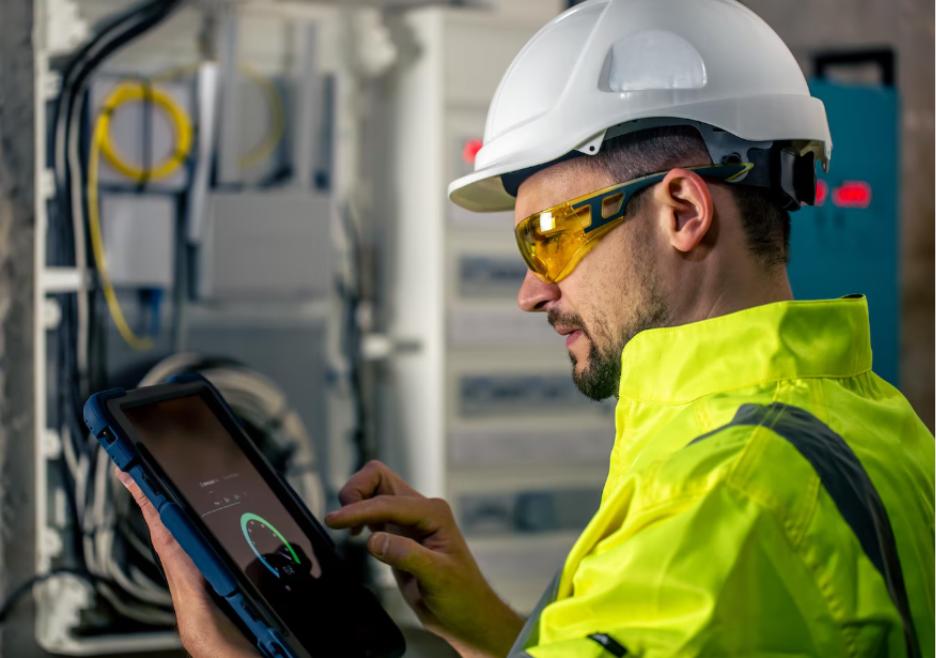
Selecting a safety platform is an important decision because it affects how your company handles workplace safety.
Safety management may involve various duties such as performing inspections, dealing with incidents, issuing work permits, tracking fixes, and maintaining clean records. When these tasks are distributed among various systems, it is more difficult to remain organized.
Not every platform has similar features, and it is essential to understand what is most important to your requirements.
An effective safety platform unites inspections, compliance, reporting, tracking of incidents, and corrective actions. This simplifies the ability to observe what is going on and accomplish tasks almost anywhere.
As your safety program grows, flexible features can further support new needs without making things more complicated. This article identifies the main characteristics to consider in order to choose a platform to facilitate safety, compliance, and smooth operations.
1. Choose Flexible and Easy-to-Customize Safety Platform

What would occur if a safety platform is not compatible with your team?
The safety process becomes more difficult to track, and employees may develop their own methods for accomplishing tasks, resulting in errors.
As you compare safety platforms or EHS software solutions, seek solutions that allow you to customize forms, checklists, inspections, and workflows to match your existing process. The appropriate platform must not impose any radical changes but rather operate the way your team already does.
New safety programs can also be easily added using custom templates without having to start over. Basic workflows are useful to decrease the repetition of data entry and reduce manual record-keeping.
Once the entire process is the same in the digital domain, inspections remain uniform, records are kept in a neat way, and it is simpler to train new workers. A flexible system also means you will not need to replace your software as your processes change.
Rather than employing specialized systems across locations or teams, a single flexible platform can support safety throughout your entire organization.
2. Prioritize Mobile Access and Efficient Field Data Collection
Inspections often happen in many places, and tools that only work on a computer can slow things down.
Mobile access lets teams do inspections, take photos, collect signatures, record locations, and scan barcodes right at the job site. This removes delays and avoids the need to rewrite notes later.
Offline access lets work continue even when there is no internet connection. You can still collect and save data, and it will upload once you are back online.
Faster data collection also helps teams in the field and office stay connected. Supervisors can see results sooner, assign tasks, and fix safety issues without waiting for paperwork.
Quick access to inspection results also helps teams make faster decisions and deal with hazards sooner.
3. Look for Built-In Safety and Compliance Management
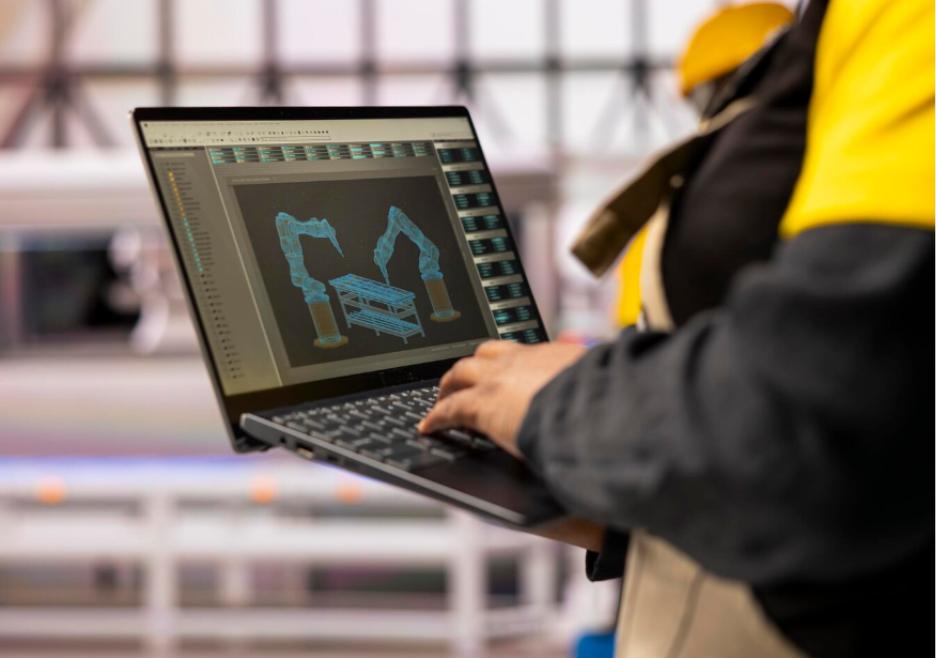
Managing safety information in many systems can cause gaps and make tracking harder.
When inspections, incident reports, corrective actions, permits, and audits are kept separate, it becomes difficult to see progress clearly.
A platform with built-in compliance tools brings everything together in one place, helping teams manage records and follow up on tasks more efficiently.
Linking corrective actions to inspections helps teams assign tasks, track progress, and confirm when work is done.
Keeping everything in one system also simplifies audits. Inspection records, corrective actions, and documents are easy to find when needed.
This setup also improves accountability, since tasks, due dates, and records stay connected, making it easier to check that work is completed on time.
4. Evaluate Reporting, Dashboards, and Integrations
Without clear reports, companies can collect a lot of safety data but not learn much from it. Dashboards and reports turn that data into simple information that shows patterns, points out repeated problems, and tracks progress over time.
Custom reports let companies focus on the numbers that matter most to them. Integration features make safety data easier to share and analyze. You can export data or connect your platform to tools like Power BI or Tableau for deeper analysis.
Looking at trends, open tasks, and inspection results helps leaders understand where attention is needed before problems get worse. Comparing reports from different periods helps companies measure progress and see whether their safety efforts are producing meaningful improvements.
5. Consider Long-Term Scalability and Asset Management
As operations grow, it can be harder to keep track of equipment, facilities, and safety rules. Without a clear system, important details can be hard to find when you need them.
Asset management tools help by keeping all records in one place, including equipment details, maintenance history, facility information, and chemical lists. You can also easily check past inspections when making maintenance decisions or reviewing compliance.
This is especially helpful for companies with many locations. A flexible platform can grow with your organization as you add new sites, equipment, or safety programs. It also helps keep records, processes, and reports consistent across your entire organization.
Bottom Line
Selecting the right safety platform is about more than just basic inspection features. Easy customization, mobile access, built-in compliance tools, clear reporting, system connections, and features that support future growth all contribute to smoother daily operations.
When these features work well together, tasks become easier, data stays accurate, and decisions become more informed. Before choosing a platform, compare your options carefully and focus on the features that fit your current needs while supporting future growth. A well-chosen platform can improve everyday safety management while giving your organization the flexibility to adapt as operations continue to evolve.
Leave a Reply