
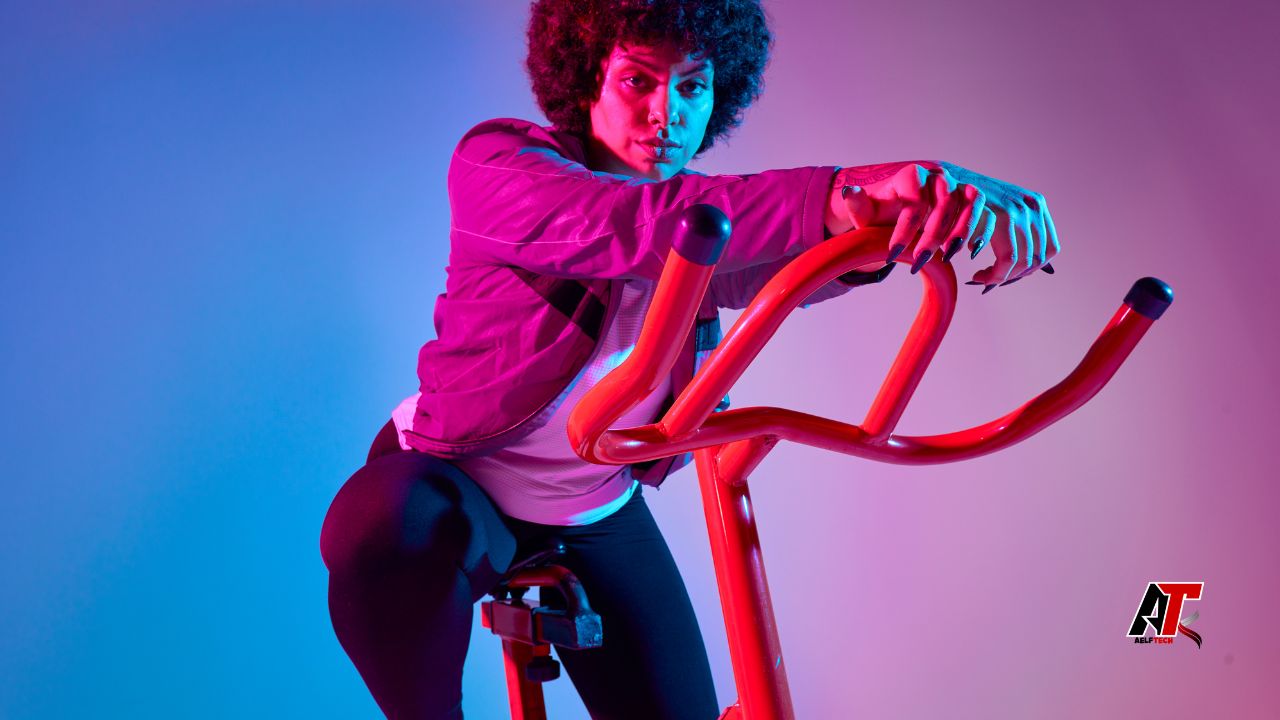
Indoor cycling has become one of the most effective and convenient ways to improve cardiovascular health, burn calories, and maintain an active lifestyle. Among the most popular home fitness equipment options are Upright Bikes, which provide a cycling experience similar to riding a traditional outdoor bicycle while offering the convenience of exercising at home or in the gym. Whether you’re a beginner starting your fitness journey or an experienced athlete looking for a reliable cardio workout, upright bikes can help you achieve your health and fitness goals with low-impact exercise.
What Are Upright Bikes?
Upright bikes are stationary exercise bikes designed to replicate the riding position of a conventional bicycle. Unlike recumbent bikes, which feature a reclined seating position, upright bikes require users to sit in a more vertical posture while pedaling.
These bikes are commonly found in homes, fitness centers, rehabilitation facilities, and corporate wellness programs because they provide effective cardiovascular exercise while taking up relatively little space.
How Upright Bikes Work
An upright bike uses resistance to simulate different cycling conditions. As you pedal, the flywheel rotates, creating resistance that challenges your muscles and cardiovascular system.
Most modern upright bikes allow users to adjust resistance levels, making workouts suitable for beginners as well as advanced fitness enthusiasts.
Many models also include digital displays that track workout metrics such as:
- Time
- Distance
- Speed
- Calories burned
- Heart rate
- Resistance level
These features help users monitor progress and stay motivated.
Benefits of Upright Bikes
Excellent Cardiovascular Exercise
Regular cycling strengthens the heart and lungs while improving circulation and endurance.
Consistent cardiovascular exercise may help support overall heart health when combined with a balanced lifestyle.
Low-Impact Workout
Unlike high-impact exercises such as running, upright bikes place less stress on the joints.
This makes them a suitable option for many individuals looking for joint-friendly cardiovascular exercise.
Supports Weight Management
Cycling burns calories and can contribute to weight management when combined with healthy eating habits.
The number of calories burned depends on workout intensity, duration, and individual factors.
Strengthens Lower Body Muscles
Cycling primarily engages:
- Quadriceps
- Hamstrings
- Glutes
- Calves
- Hip muscles
Increasing resistance can further challenge these muscle groups during workouts.
Convenient Home Exercise
Having an upright bike at home allows users to exercise regardless of weather conditions or gym availability.
This convenience often makes it easier to maintain a consistent fitness routine.
Key Features to Look For
Choosing the right upright bike depends on your fitness goals and personal preferences.
Adjustable Resistance
Look for multiple resistance levels that allow workouts to become more challenging as fitness improves.
Comfortable Seat
An adjustable and well-padded seat improves comfort during longer exercise sessions.
Adjustable Handlebars
Handlebar adjustments help users find a comfortable riding position that supports proper posture.
Digital Console
Many bikes include displays showing workout data such as:
- Heart rate
- Calories
- Speed
- Distance
- Time
- RPM (revolutions per minute)
These metrics help track workout performance over time.
Quiet Operation
Magnetic resistance systems generally produce less noise than friction-based systems, making them suitable for home use.
Types of Upright Bikes
Several types of upright bikes are available to accommodate different fitness needs.
Magnetic Resistance Bikes
These bikes use magnetic resistance to provide smooth and quiet operation while requiring minimal maintenance.
Air Resistance Bikes
Air bikes increase resistance as the user pedals faster, creating workouts that automatically adjust to effort.
Commercial Upright Bikes
Designed for gyms and fitness centers, commercial models typically feature durable construction and advanced workout programs.
Home Upright Bikes
Home fitness models prioritize compact design, affordability, and ease of use.
Who Can Benefit from Upright Bikes?
Upright bikes are suitable for many individuals, including:
- Beginners
- Experienced cyclists
- Busy professionals
- Older adults
- Home fitness enthusiasts
- Individuals seeking low-impact cardio
- People working toward weight management goals
Before beginning a new exercise program, individuals with medical conditions should consult a qualified healthcare professional.
Tips for Effective Upright Bike Workouts
To maximize your workouts:
- Adjust the seat height correctly.
- Maintain proper posture.
- Begin with a warm-up.
- Gradually increase resistance.
- Stay hydrated.
- Include recovery periods.
- Cool down after each session.
Consistency is often more important than workout intensity alone.
Common Workout Programs
Many upright bikes offer built-in exercise programs such as:
- Fat-burning workouts
- Interval training
- Endurance sessions
- Heart rate training
- Hill climbing simulations
- Manual resistance workouts
Varied workout programs help reduce boredom while supporting different fitness objectives.
Maintenance Tips
Proper maintenance helps extend the lifespan of your exercise bike.
Recommended maintenance includes:
- Clean the bike regularly.
- Tighten loose bolts.
- Inspect pedals.
- Check moving parts.
- Keep the display clean.
- Follow manufacturer maintenance recommendations.
Routine care helps ensure smooth operation and long-term reliability.
How to Choose the Best Upright Bike
Before purchasing an upright bike, consider the following factors:
Budget
Exercise bikes are available across a wide range of price points with varying features.
Weight Capacity
Ensure the bike supports the intended user’s weight.
Available Space
Measure your workout area before purchasing to ensure a comfortable fit.
Resistance System
Magnetic resistance is often preferred for quiet operation and smooth performance.
Warranty
A comprehensive warranty provides additional confidence in the product’s quality.
User Reviews
Reading verified customer reviews can help evaluate durability, comfort, and overall user satisfaction.
Frequently Asked Questions
What are upright bikes?
Upright bikes are stationary exercise bicycles that simulate the riding position of a traditional bicycle while providing indoor cardiovascular workouts.
Are upright bikes good for weight loss?
Upright bikes can support weight management by helping users burn calories as part of a balanced fitness routine and healthy diet.
Are upright bikes suitable for beginners?
Yes. Most upright bikes feature adjustable resistance levels, allowing beginners to start with lower-intensity workouts and gradually increase difficulty.
How often should I use an upright bike?
Workout frequency depends on your fitness goals and overall health. Many adults aim to meet general physical activity guidelines through a combination of aerobic and strength-training exercises. Consult a healthcare professional or fitness expert for personalized recommendations.
What is the difference between an upright bike and a recumbent bike?
An upright bike places the rider in a vertical cycling position similar to a traditional bicycle, while a recumbent bike features a reclined seat with back support and a different pedaling position.
Conclusion
Upright bikes are an excellent option for individuals seeking a convenient, low-impact, and effective way to improve cardiovascular fitness, strengthen lower-body muscles, and support long-term health. With adjustable resistance, compact designs, and a variety of workout programs, they accommodate users of different fitness levels and goals. By selecting a high-quality upright bike that fits your needs and maintaining a consistent exercise routine, you can enjoy a reliable and enjoyable indoor cycling experience that contributes to overall wellness and an active lifestyle.
Leave a Reply