
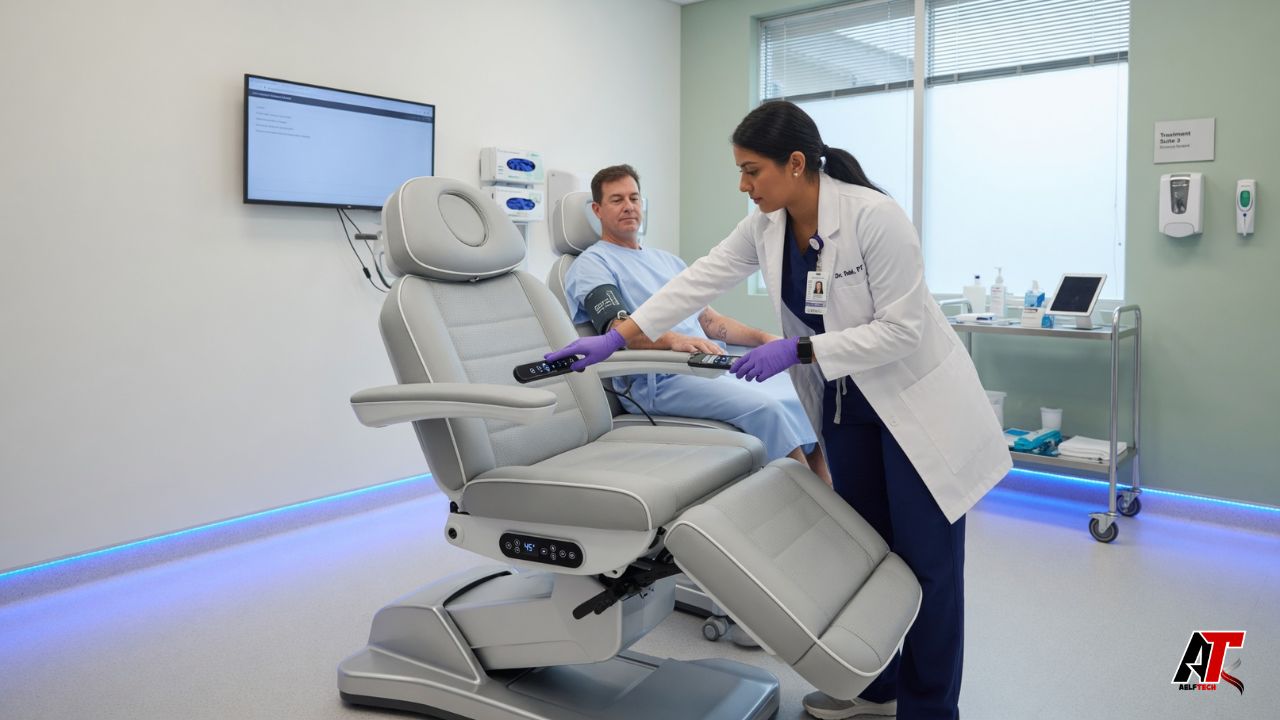
Medical and aesthetic facilities constantly seek ways to improve patient outcomes and staff ergonomics. Consequently, investing in high-quality clinical seating plays a pivotal role in achieving these goals. Treatment chairs serve as the central hub for patient care, providing necessary comfort and precise positioning during various procedures. Furthermore, modern designs integrate advanced technology to support medical professionals. Therefore, selecting the right seating impacts both clinical efficiency and the overall patient experience.
The Evolution of Treatment chairs in Modern Clinics
Historically, clinical seating offered little more than basic functionality. Patients often sat on rigid, unpadded structures that caused discomfort during lengthy procedures. However, manufacturers eventually recognized the link between patient comfort and procedural success. Today, engineers design these units using advanced biomechanical research. Consequently, modern clinics feature highly adaptable seating that caters to specific medical disciplines. This evolution reflects a broader shift toward patient-centered care. Additionally, the integration of electric motors replaced manual cranks, allowing practitioners to make smooth, real-time adjustments without interrupting the procedure.
Ergonomic Advancements in Treatment chairs
Ergonomics matter just as much for the medical staff as they do for the patient. Doctors and nurses frequently suffer from musculoskeletal injuries due to repetitive bending and reaching. Therefore, modern designs feature adjustable height ranges and articulating headrests. These advancements allow practitioners to maintain a neutral spine position while working. Furthermore, the improved lumbar support reduces physician fatigue during long shifts. Consequently, clinics report higher staff productivity and fewer sick days. Ultimately, ergonomic seating protects the long-term health of the entire clinical team.
Key Features of High-Quality Treatment chairs
When medical facilities upgrade their equipment, administrators must evaluate several critical features. Not all clinical seating meets the rigorous demands of a busy healthcare environment. Therefore, buyers must look beyond basic aesthetics and focus on structural integrity. A high-quality unit must support various body types safely. Furthermore, it must accommodate the specific tools and accessories required by the practice. Consequently, understanding these core features ensures a wise capital investment.
Adjustability and Precision Positioning in Treatment chairs
Medical procedures require precise patient angles. For example, dermatologists need a flat, stable surface, while phlebotomists prefer a reclined position to prevent syncope. Therefore, top-tier treatment chairs feature multi-articulating sections. Practitioners can independently adjust the backrest, leg rest, and tilt angle. Furthermore, memory position settings allow staff to recall specific angles with a single button press. This automation saves valuable time between appointments. Thus, precision positioning directly translates to higher daily patient throughput.
Enhancing Patient Experience with Treatment chairs
Patient retention relies heavily on comfort and perceived quality of care. An uncomfortable patient is less likely to return for follow-up treatments. Consequently, clinics must prioritize the patient’s physical experience during procedures. Modern clinical seating uses high-density memory foam that distributes weight evenly. This prevents pressure points during long intravenous therapies or dialysis sessions. Furthermore, the visual design of the chair impacts the patient’s psychological state. Sleek, modern aesthetics reduce anxiety and create a calming clinical environment.
Comfort and Accessibility Features
Accessibility remains a legal and ethical requirement in healthcare design. Treatment chairs must accommodate elderly patients and individuals with mobility impairments. Therefore, many models feature a low starting height, allowing patients to sit down easily. The chair then rises to the practitioner’s working height. Additionally, swing-away or removable armrests allow easy lateral patient transfers from wheelchairs. Consequently, these features ensure compliance with accessibility regulations while preserving patient dignity. Thus, thoughtful design accommodates every patient regardless of physical limitations.
Infection Control and Maintenance of Treatment chairs
Healthcare-associated infections pose a severe threat to patient safety. Therefore, clinical equipment must support rigorous hygiene protocols. Upholstery materials play a crucial role in infection control. Manufacturers utilize medical-grade, antimicrobial vinyl that resists fluid penetration. Furthermore, the upholstery must withstand frequent cleaning with harsh chemical disinfectants without degrading. Consequently, seamless upholstery design eliminates hidden crevices where pathogens might hide. This seamless construction allows staff to sanitize the entire surface rapidly between patients.
Material Selection for Clinical Environments
The structural components also require careful material selection. Stainless steel and powder-coated aluminum resist corrosion and provide immense structural strength. Furthermore, designers hide mechanical components and wiring beneath easily wipeable surfaces. This prevents dust and biological matter from accumulating in hard-to-reach areas. Therefore, material selection directly impacts the longevity of the chair and the clinic’s infection control efficacy. Consequently, investing in premium materials reduces long-term replacement costs.
Selecting the Right Treatment chairs for Your Practice
Every medical specialty demands unique specifications from its equipment. A dental practice requires different seating than an oncology clinic. Therefore, practice managers must conduct a thorough needs assessment before purchasing. They must consider the typical procedure length, the required accessories, and the available space. Furthermore, buyers should always test the equipment in person. A demonstration allows the medical staff to evaluate the chair’s functionality firsthand. Thus, hands-on testing prevents costly purchasing mistakes.
Assessing Specialty Requirements for Treatment chairs
Specialty requirements dictate the necessary accessories. For instance, aesthetic clinics might require IPL laser arm attachments, while maternity clinics need specific stirrup configurations. Furthermore, practitioners must consider bariatric needs. Bariatric models feature reinforced frames and heavy-duty motors to safely support larger patients. Therefore, clinics often purchase a mix of standard and bariatric chairs to serve their entire patient population. Consequently, matching the chair’s capabilities to the specialty ensures seamless daily operations.
The Future of Treatment chairs Technology
The medical device industry continues to innovate rapidly. Future clinical seating will likely feature smart technology integration. For example, built-in scales could record patient weight automatically without requiring a separate scale. Furthermore, biometric sensors woven into the upholstery could monitor vital signs like heart rate and blood oxygen levels during procedures. Therefore, the chair will evolve from a passive piece of furniture into an active medical monitoring device. Consequently, this integration will enhance patient safety and streamline clinical workflows.
Embracing Smart Connectivity and Data Tracking
Smart connectivity will also play a major role in future designs. Treatment chairs will connect to the clinic’s electronic health record (EHR) system. When a practitioner adjusts the chair for a specific procedure, the system could log the exact settings used. Therefore, the next time that patient visits, the chair automatically adjusts to their preferred position. Additionally, usage data will help facility managers track maintenance needs. Thus, predictive maintenance alerts will prevent mechanical failures during critical patient appointments. Ultimately, smart technology will redefine the role of clinical seating in modern healthcare.
FAQs
1. What are treatment chairs used for?
Medical professionals use them to position patients comfortably and safely during clinical, aesthetic, or minor surgical procedures.
2. How do treatment chairs improve clinic efficiency?
They feature electric adjustments and memory settings, allowing staff to reposition patients quickly and reduce appointment turnaround times.
3. What features should I look for in clinical seating?
Buyers should prioritize ergonomic design, antimicrobial seamless upholstery, adjustable height, and specific accessory attachments for their specialty.
4. Are treatment chairs suitable for bariatric patients?
Yes, manufacturers build specific bariatric models with reinforced frames and heavy-duty motors to safely accommodate larger patients.
5. How do these chairs support infection control?
They feature medical-grade, fluid-resistant vinyl and seamless designs that allow practitioners to disinfect all surfaces rapidly between patients.
6. Can treatment chairs integrate with electronic health records?
Future smart models will connect to EHR systems to log patient positioning preferences and track equipment maintenance data automatically.
Conclusion
Investing in high-quality treatment chairs fundamentally improves both patient outcomes and clinical operational efficiency. By prioritizing ergonomic design, precise adjustability, and robust infection control features, medical facilities create a safer and more comfortable environment for everyone. Furthermore, selecting specialty-specific models ensures that practitioners have the necessary tools to perform their duties effectively. As technology advances, smart connectivity will further elevate these essential pieces of equipment. Ultimately, choosing the right clinical seating represents a critical investment in the long-term success and reputation of any modern healthcare practice.
Leave a Reply