
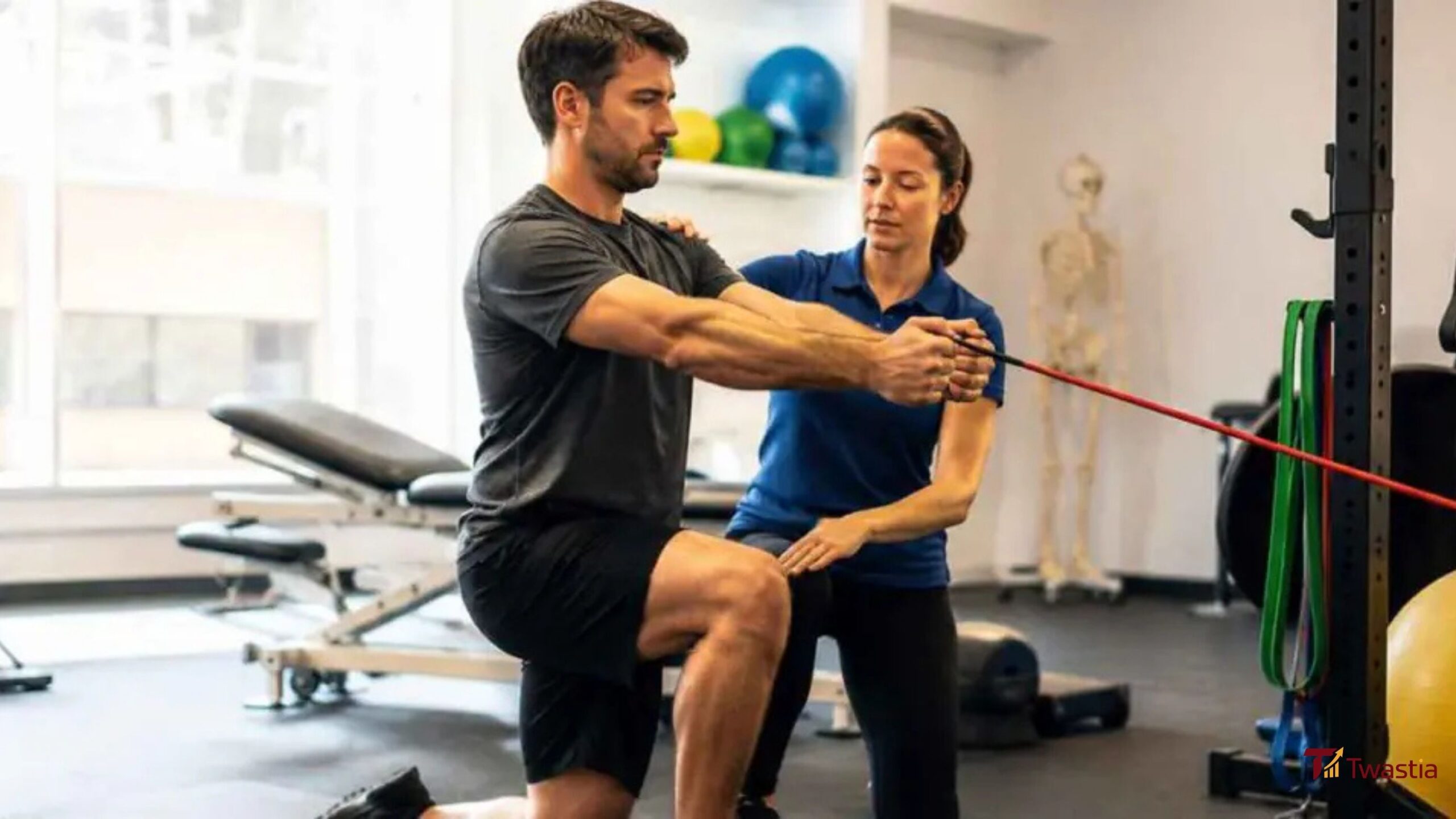
Staying active is important for both physical and mental health. However, sports injuries, muscle strain, and joint pain can slow you down and affect your daily routine. Whether you’re a professional athlete, a weekend runner, or someone who enjoys regular exercise, sports therapy can help improve recovery, reduce pain, and support long-term physical health.
Sports therapy is not only for athletes. It also benefits people recovering from workplace injuries, fitness-related discomfort, or movement problems. By combining hands-on treatment with personalized exercise programs, sports therapists help individuals return to their normal activities safely and confidently.
This guide explains how sports therapy works, who can benefit from it, common treatment methods, and what to expect during your first appointment.
What Is Sports Therapy?
Sports therapy is a healthcare discipline that focuses on preventing, assessing, treating, and rehabilitating musculoskeletal injuries. It aims to restore movement, improve strength, and reduce pain through evidence-based treatment techniques.
Although the name suggests it is only for athletes, sports therapy can benefit anyone experiencing muscle, joint, tendon, or ligament problems.
Treatment plans are designed according to each person’s condition, activity level, and recovery goals.
Why Sports Therapy Is Important
Physical activity places stress on muscles, joints, and connective tissues. Over time, poor movement patterns, overtraining, or sudden injuries can affect mobility and performance.
Sports therapy helps people recover while reducing the risk of future injuries.
Some of the main benefits include:
- Faster rehabilitation
- Improved flexibility
- Better joint mobility
- Reduced muscle tension
- Enhanced physical performance
- Lower injury risk
- Increased strength
- Improved balance and coordination
Results vary depending on the injury, overall health, and commitment to the rehabilitation program.
Who Can Benefit from Sports Therapy?
Many people assume sports therapy is only for elite athletes. In reality, it supports individuals with different lifestyles and activity levels.
You may benefit from sports therapy if you are:
- A professional athlete
- A recreational runner
- A cyclist
- A gym enthusiast
- A football or tennis player
- Recovering from an injury
- Experiencing muscle or joint pain
- Looking to improve movement and flexibility
Even office workers with posture-related discomfort may benefit from sports therapy exercises and movement advice.
Common Injuries Treated with Sports Therapy
Sports therapists regularly assess and treat a wide range of musculoskeletal conditions.
Muscle Strains
Muscle strains happen when muscle fibers stretch too far or tear. They commonly affect the hamstrings, calves, back, and shoulders.
Treatment may include manual therapy, stretching, and progressive strengthening exercises.
Ligament Sprains
Sprains occur when ligaments supporting a joint become overstretched or damaged.
Rehabilitation focuses on restoring stability, reducing swelling, and improving movement.
Tendon Injuries
Repeated movements can place extra stress on tendons.
Common examples include:
- Achilles tendon pain
- Tennis elbow
- Golfer’s elbow
- Patellar tendon injuries
- Rotator cuff problems
Treatment usually combines strengthening exercises with gradual activity progression.
Joint Pain
Sports therapy can help improve movement in joints such as:
- Knees
- Shoulders
- Hips
- Ankles
- Wrists
A detailed assessment helps identify the cause of discomfort before treatment begins.
How Sports Therapy Supports Recovery
Recovery involves much more than resting after an injury. A structured rehabilitation plan helps restore movement safely while reducing the chance of re-injury.
Pain Management
Sports therapists use different techniques to reduce pain while improving movement.
These may include:
- Soft tissue therapy
- Manual therapy
- Rehabilitation exercises
- Stretching
- Mobility training
The treatment approach depends on the individual’s condition.
Restoring Strength
Muscles often weaken after injury.
Strengthening exercises gradually rebuild muscle function and improve stability without placing unnecessary stress on healing tissues.
Improving Flexibility
Reduced flexibility can limit movement and increase injury risk.
Stretching programs help improve mobility while supporting healthy movement patterns.
Returning to Activity
One of the main goals of sports therapy is helping individuals safely return to sport, work, or daily activities.
Progression is usually gradual to reduce the likelihood of setbacks.
Common Sports Therapy Techniques
Sports therapists use several evidence-informed treatment methods.
Manual Therapy
Manual therapy involves hands-on techniques that improve joint movement and reduce muscle stiffness.
Soft Tissue Therapy
Soft tissue treatment focuses on muscles, tendons, and connective tissues.
Common methods include:
- Sports massage
- Deep tissue massage
- Trigger point therapy
- Myofascial release
These techniques may help reduce muscle tightness and improve mobility.
Exercise Rehabilitation
Exercise is one of the most important parts of sports therapy.
Programs often include:
- Strength exercises
- Balance training
- Functional movement
- Flexibility work
- Core stability exercises
Exercises become more challenging as recovery progresses.
Movement Assessment
Sports therapists assess walking, running, lifting, or sport-specific movements to identify weaknesses or imbalances.
This information helps create a personalized rehabilitation plan.
What Happens During a Sports Therapy Appointment?
Your first session usually begins with a detailed assessment.
The therapist may ask about:
- Medical history
- Current symptoms
- Previous injuries
- Daily activities
- Exercise routine
- Recovery goals
Next, a physical examination may include:
- Range of motion testing
- Muscle strength assessment
- Balance evaluation
- Joint mobility checks
- Functional movement analysis
Based on the findings, the therapist develops an individualized treatment plan.
Sports Therapy and Injury Prevention
Preventing injuries is just as important as treating them.
Sports therapists often identify movement patterns that may increase injury risk.
Prevention strategies may include:
- Improving exercise technique
- Correcting muscle imbalances
- Increasing flexibility
- Building strength
- Managing training loads
- Recommending proper recovery periods
Following these recommendations may reduce the likelihood of future injuries.
Choosing the Right Sports Therapist
Selecting a qualified professional can improve your rehabilitation experience.
Consider the following:
Qualifications
Verify that the therapist has appropriate education and professional registration where required.
Experience
Look for experience treating injuries similar to yours.
Communication
Choose someone who explains your condition and treatment plan clearly.
Personalized Care
Avoid one-size-fits-all treatment programs.
Every rehabilitation plan should reflect your goals, fitness level, and medical history.
Tips to Stay Injury-Free
Healthy habits can help lower the risk of injury.
Here are a few practical tips:
- Warm up before exercise.
- Increase training gradually.
- Stay hydrated.
- Wear suitable footwear.
- Prioritize recovery days.
- Strengthen supporting muscles.
- Listen to your body’s warning signs.
- Seek professional advice for ongoing pain.
Small changes can make a significant difference over time.
Frequently Asked Questions
What is sports therapy?
Sports therapy focuses on preventing, treating, and rehabilitating injuries that affect muscles, joints, ligaments, and tendons.
Is sports therapy only for athletes?
No. Sports therapy can help anyone experiencing musculoskeletal pain, movement problems, or exercise-related injuries.
How many sports therapy sessions will I need?
The number of sessions depends on your injury, recovery goals, and progress. Your therapist will recommend a treatment plan after your assessment.
What treatments are used during sports therapy?
Treatment may include manual therapy, sports massage, rehabilitation exercises, mobility work, stretching, and movement assessment.
Can sports therapy help prevent injuries?
Yes. Sports therapists identify movement issues, muscle imbalances, and training habits that may increase injury risk, then develop strategies to address them.
When should I see a sports therapist?
Consider booking an appointment if you have persistent pain, limited mobility, recurring injuries, or difficulty returning to normal physical activity after an injury.
Conclusion
Sports therapy plays an important role in helping people recover from injuries, improve movement, and stay physically active. Whether you’re managing a sports injury, recovering after exercise, or simply looking to reduce pain and improve mobility, a qualified sports therapist can develop a treatment plan tailored to your needs. Combined with regular exercise, proper recovery, and injury prevention strategies, sports therapy can support long-term physical health and help you return to your daily activities with greater confidence.
Leave a Reply