
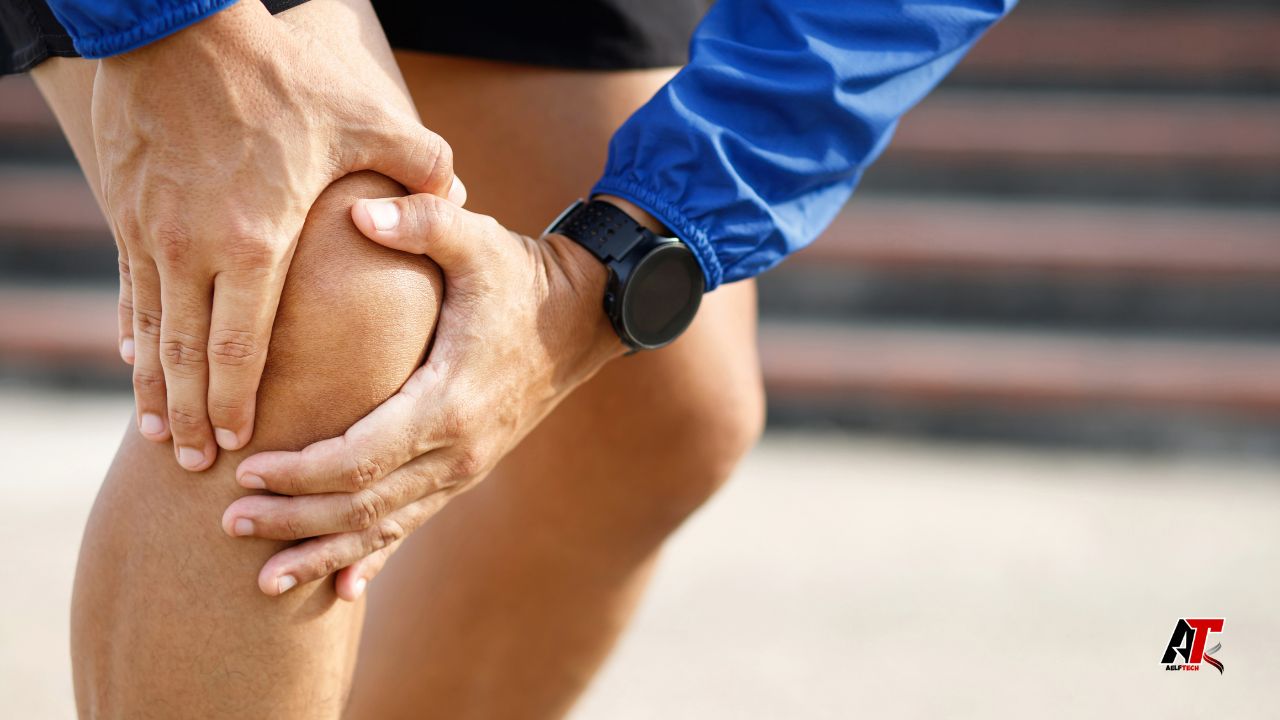
Whether you’re a professional athlete, a weekend runner, or someone who enjoys staying active, injuries can interrupt your routine and affect your overall quality of life. A Sports Medicine Specialist focuses on diagnosing, treating, and helping prevent injuries related to physical activity and exercise. Their goal is not only to help patients recover safely but also to support long-term mobility, strength, and performance while reducing the risk of future injuries.
Sports medicine is not limited to competitive athletes. People of all ages and activity levels can benefit from specialized care for musculoskeletal conditions, overuse injuries, and movement-related concerns.
What Is a Sports Medicine Specialist?
A sports medicine specialist is a healthcare professional with advanced training in evaluating and managing injuries affecting muscles, bones, joints, tendons, ligaments, and other soft tissues associated with physical activity.
Depending on their qualifications and area of practice, sports medicine specialists may provide both surgical and non-surgical care. Many focus on conservative treatment approaches that emphasize rehabilitation, physical therapy, exercise, and injury prevention.
Their expertise extends beyond treating injuries to helping patients return to their preferred level of activity safely.
What Conditions Does a Sports Medicine Specialist Treat?
Sports medicine specialists evaluate a wide variety of musculoskeletal injuries and movement-related conditions.
Common conditions include:
- Sprains and strains
- Tendon injuries
- Ligament injuries
- Knee pain
- Shoulder injuries
- Ankle injuries
- Tennis elbow
- Runner’s knee
- Stress fractures
- Muscle tears
- Joint pain
- Overuse injuries
They also assist patients recovering from surgery or returning to physical activity after prolonged inactivity.
Common Sports Injuries
Active individuals experience different types of injuries depending on the sport or activity.
Ligament Injuries
Ligaments connect bones and stabilize joints.
Common examples include:
- ACL injuries
- MCL injuries
- Ankle ligament sprains
These injuries often occur during sudden changes in direction or high-impact activities.
Muscle Strains
Muscle strains occur when muscle fibers are stretched or torn.
They commonly affect:
- Hamstrings
- Quadriceps
- Calves
- Lower back
- Groin muscles
Treatment depends on the severity of the injury.
Tendon Disorders
Repeated stress may cause tendon irritation or degeneration.
Examples include:
- Achilles tendinopathy
- Patellar tendon injuries
- Rotator cuff tendon conditions
- Tennis elbow
Early treatment may help reduce recovery time and improve function.
Stress Fractures
Stress fractures are small cracks in bones caused by repetitive impact rather than a single traumatic event.
They frequently occur in:
- Feet
- Lower legs
- Hips
Athletes participating in running and jumping sports may be at higher risk.
How Sports Medicine Specialists Diagnose Injuries
Accurate diagnosis is the first step toward effective treatment.
Evaluation may include:
- Medical history
- Physical examination
- Movement assessment
- Strength testing
- Flexibility evaluation
When clinically appropriate, imaging studies such as X-rays, MRI scans, ultrasound, or CT scans may be recommended to assist with diagnosis.
Treatment Options
Treatment plans are individualized based on the patient’s condition, activity level, and recovery goals.
Non-Surgical Treatment
Many sports injuries can be managed without surgery.
Treatment may include:
- Activity modification
- Physical therapy
- Rehabilitation exercises
- Bracing
- Anti-inflammatory treatments when appropriate
- Guided return-to-sport programs
The specific approach depends on the diagnosis and the patient’s overall health.
Rehabilitation
Rehabilitation focuses on restoring:
- Strength
- Flexibility
- Balance
- Mobility
- Coordination
Structured rehabilitation programs help patients regain function while reducing the risk of reinjury.
Performance Optimization
Sports medicine specialists often work with active individuals to improve movement patterns and reduce injury risk through:
- Biomechanical assessment
- Functional movement training
- Flexibility programs
- Strength development
These strategies support both performance and long-term musculoskeletal health.
Injury Prevention
Preventing injuries is an important part of sports medicine.
Common recommendations include:
- Proper warm-up routines
- Gradual training progression
- Strength training
- Flexibility exercises
- Adequate recovery
- Appropriate footwear
- Correct sports techniques
Consistent preventive measures help support safe participation in physical activity.
Who Can Benefit from Sports Medicine?
Sports medicine specialists treat a broad range of patients.
These include:
- Professional athletes
- Student athletes
- Recreational athletes
- Fitness enthusiasts
- Active adults
- Children participating in sports
- Older adults maintaining active lifestyles
Treatment plans are tailored to each individual’s activity level and health needs.
When Should You See a Sports Medicine Specialist?
Consider seeking medical evaluation if you experience:
- Persistent joint pain
- Swelling
- Limited movement
- Recurrent injuries
- Pain during exercise
- Muscle weakness
- Difficulty returning to sports
Early evaluation may improve treatment outcomes and reduce the risk of complications.
Benefits of Working With a Sports Medicine Specialist
Patients often benefit from:
- Accurate diagnosis
- Individualized treatment plans
- Faster return to activity where appropriate
- Injury prevention guidance
- Performance improvement strategies
- Long-term musculoskeletal care
Comprehensive treatment supports both recovery and future physical activity.
Tips for Maintaining an Active Lifestyle
Healthy movement habits can reduce injury risk and improve long-term performance.
Recommended practices include:
- Warm up before exercise.
- Cool down after activity.
- Stay hydrated.
- Follow balanced training programs.
- Allow adequate recovery between workouts.
- Listen to your body’s warning signs.
- Seek medical advice for persistent pain.
Building healthy exercise habits supports lifelong physical activity.
Frequently Asked Questions
What does a sports medicine specialist do?
A sports medicine specialist evaluates, diagnoses, treats, and helps prevent injuries related to physical activity, sports, and musculoskeletal conditions.
Do I need to be an athlete to see a sports medicine specialist?
No. Sports medicine specialists treat individuals of all activity levels, including recreational exercisers, active adults, and anyone experiencing movement-related injuries or pain.
Can sports injuries be treated without surgery?
Many sports injuries respond well to non-surgical treatments such as rehabilitation, physical therapy, activity modification, and structured exercise programs. The appropriate treatment depends on the specific injury and individual circumstances.
How long does recovery take?
Recovery time varies depending on the type and severity of the injury, the treatment plan, and individual healing factors. Your healthcare provider can provide guidance based on your diagnosis.
How can I reduce my risk of sports injuries?
Proper conditioning, gradual training progression, appropriate equipment, strength and flexibility exercises, adequate rest, and correct technique can help reduce injury risk.
Conclusion
A sports medicine specialist plays an essential role in helping active individuals recover from injuries, improve physical function, and return safely to the activities they enjoy. Through accurate diagnosis, personalized treatment plans, rehabilitation, and injury prevention strategies, these specialists support long-term musculoskeletal health for athletes and non-athletes alike. If pain, reduced mobility, or a sports-related injury is limiting your activity, seeking timely evaluation from a qualified sports medicine professional can help you develop an effective recovery plan and maintain an active, healthy lifestyle.
Leave a Reply