
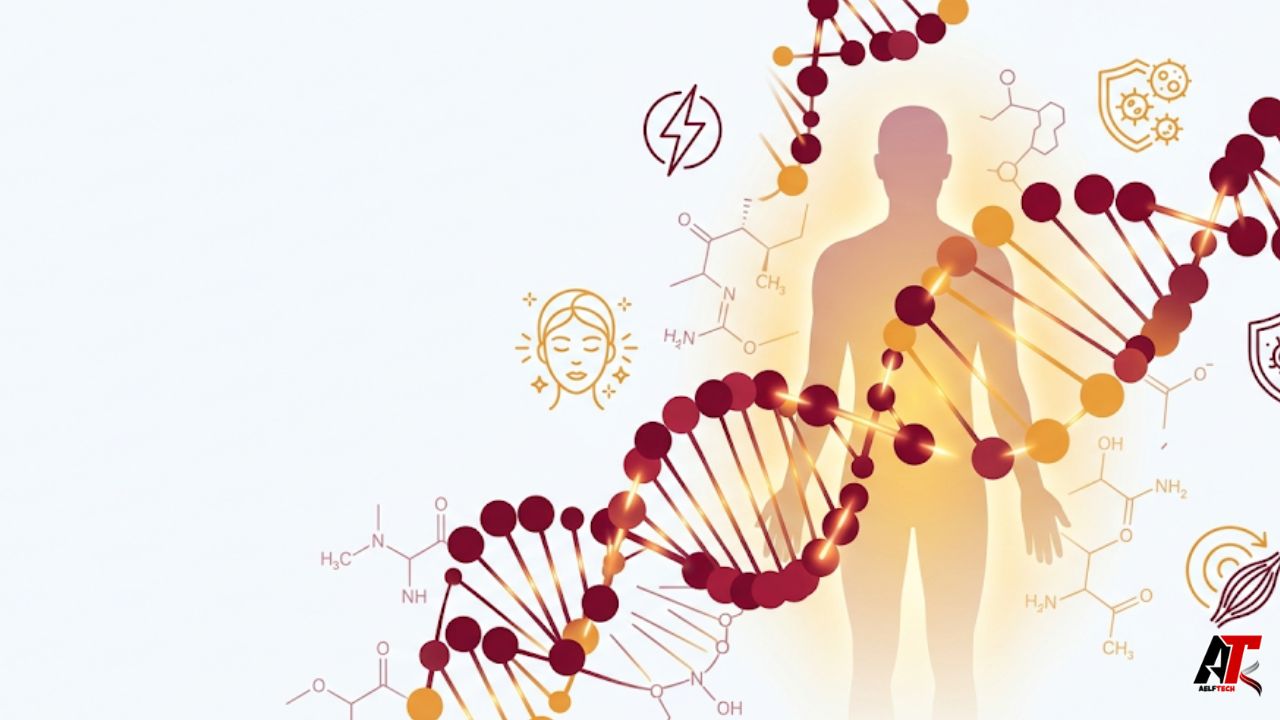
Peptides may sound like a scientific term used only in laboratories, but they are closely connected to everyday human health. They are small chains of amino acids, and amino acids are the building blocks that the body uses to make proteins. Because proteins help build tissues, support enzymes, carry signals, and maintain many life processes, peptides also have a meaningful role in how the body communicates, repairs, protects, and functions.
In recent years, peptides have become popular in health, wellness, skin care, sports recovery, and medical research. Some peptide-based medicines are already used under medical supervision, while many other peptides are still being studied for possible future benefits. This is why it is important to understand peptides in a balanced way. They are not magic shortcuts, and they should not be used carelessly. However, when discussed responsibly, peptides offer a fascinating window into the body’s natural systems and modern health science.
This article explains how peptides have a very strong role in human health and well-being, what makes them important, where they appear in the body, and why safe, evidence-based use matters.
What Are Peptides?
Peptides are short chains of amino acids linked together by peptide bonds. When amino acid chains become longer and fold into complex shapes, they form proteins. In simple words, peptides are smaller than most proteins, but they can still perform powerful biological functions. Their size allows them to act as messengers, signals, building blocks, and sometimes as active compounds in medical therapies.
The body naturally produces many peptides. Some help regulate appetite, some influence blood sugar, some support immune activity, and others are involved in skin, tissue repair, digestion, and hormone signaling. Because peptides can interact with specific receptors in the body, scientists are interested in how they may be used to create targeted treatments or support research into different health conditions.
Peptides can also be found in foods after proteins are broken down during digestion. For example, when people eat protein-rich foods such as eggs, fish, dairy, meat, legumes, or soy, the digestive system breaks those proteins into amino acids and smaller peptides. The body then uses these components to build new tissues, hormones, enzymes, and other important molecules.
Why Peptides Matter for Human Health
One of the biggest reasons peptides matter is their ability to send biological signals. The human body depends on communication between cells. Cells need to know when to grow, repair, defend, release energy, store nutrients, or slow down certain processes. Peptides often act like tiny messages that help guide these decisions.
This role is especially important because health is not controlled by one system only. Metabolism, immunity, skin structure, sleep, mood, digestion, and recovery all depend on well-coordinated communication. Peptides are part of this communication network. When the body creates the right peptides at the right time, it can respond more effectively to stress, injury, nutrient intake, and changing energy needs.
Another reason peptides are important is that they can be highly specific. Some compounds affect many parts of the body at once, but many peptides are designed by nature to interact with particular receptors. This is one reason peptide drug development is a major area of scientific interest. Researchers continue to study how peptide structures can be improved for stability, delivery, safety, and targeted action.
Peptides and Muscle Recovery
Human well-being is strongly connected to movement, strength, and recovery. The body uses amino acids and proteins to repair muscle tissue after activity. Peptides fit into this process because they are part of the same protein-building system. After exercise, the body needs enough nutrition, rest, hydration, and balanced hormones to repair tiny muscle fiber damage and build resilience.
Some natural peptides and protein-derived peptides may influence muscle metabolism, inflammation response, and tissue repair pathways. This does not mean that every peptide product is safe or effective for athletic performance. Many performance claims online are ahead of the evidence. Still, the science behind peptides helps explain why protein quality, amino acid balance, and recovery routines are important for active people.
For everyday health, the practical message is simple: the body needs complete nutrition to support its own peptide and protein production. A balanced diet with sufficient protein, regular physical activity, and proper sleep remains the foundation. Peptide research may add new knowledge, but it cannot replace basic healthy habits.
Peptides and Skin Health
Skin health is one of the most common areas where peptides are discussed. The skin contains collagen, elastin, and other structural proteins that help maintain firmness, elasticity, and smoothness. As people age, collagen production naturally changes, and environmental stressors such as sun exposure, pollution, poor sleep, and smoking can affect skin appearance.
In skin care, certain peptides are used in topical products because they may help signal the skin to support repair-related processes or improve hydration and barrier function. Some peptide ingredients are also studied for their role in collagen-related pathways. This is why peptides are often included in creams, serums, and anti-aging formulas.
However, skin care results depend on product quality, concentration, formulation, consistency, and a person’s overall skin condition. Peptides work best as part of a complete routine that includes sunscreen, gentle cleansing, hydration, and healthy lifestyle habits. They should be seen as supportive ingredients, not instant solutions.
Peptides, Metabolism, and Blood Sugar Balance
Some of the most important peptide-related examples in medicine involve hormones that regulate metabolism. Insulin is a peptide hormone that helps move sugar from the blood into body tissues where it can be used for energy. This shows how powerful peptide signaling can be for human survival and daily function.
Modern medicine also includes peptide-based or peptide-like therapies that influence appetite, glucose regulation, and metabolic health. These treatments require medical evaluation, prescription, proper dosing, and monitoring. They are not the same as unverified products sold online for wellness claims.
The connection between peptides and metabolism teaches an important lesson: tiny molecules can have major effects. When peptide pathways are balanced, they can support energy management. When they are disrupted or used incorrectly, they can create risks. That is why any medical peptide therapy should be handled only by qualified healthcare professionals.
Peptides and Immune Support
The immune system protects the body from harmful invaders and helps coordinate healing after injury. Peptides are involved in several immune-related processes. Some natural peptides can support defense mechanisms, while others act as signals that help immune cells communicate.
Researchers are especially interested in antimicrobial peptides, which are part of the body’s natural defense system. These peptides may help fight certain bacteria, fungi, or viruses by affecting their outer membranes or influencing immune response. This area is still complex, and research continues to explore how such peptides could be used safely in medicine.
For general readers, the key point is that peptides are not isolated from the rest of health. Immune strength also depends on sleep, nutrition, stress control, movement, vaccination where appropriate, hygiene, and medical care when needed. Peptides may be one part of the immune story, but they are not a replacement for proven health practices.
Peptides and Healthy Aging
Healthy aging is not just about looking younger. It includes maintaining strength, mobility, mental clarity, skin integrity, metabolic balance, immune resilience, and quality of life. Peptides are connected to aging because many peptide signals influence repair, growth, inflammation, and cellular communication.
As the body ages, some natural processes become less efficient. Collagen production may slow, muscle mass may decline, recovery may take longer, and metabolic flexibility may change. Peptide research explores whether certain pathways can be supported in safe and targeted ways. This is one reason peptides are widely discussed in longevity and wellness communities.
Still, healthy aging should be approached with realistic expectations. The strongest long-term tools remain balanced nutrition, resistance training, cardiovascular activity, sleep, social connection, stress management, and regular health checkups. Peptide science may support future medical innovation, but lifestyle habits build the base of well-being.
Peptides in Medical Research and Drug Development
Peptides are valuable in medical research because they can be designed to interact with specific biological targets. Scientists study peptide structure, stability, absorption, immune response, and safety before a peptide can become a trusted medicine. This process is careful because peptides can have strong effects even in small amounts.
Regulatory agencies evaluate peptide drug products for safety, effectiveness, pharmacology, drug interactions, immune response, and other important concerns. This is very different from buying unverified compounds without medical guidance. A peptide that looks promising in early research does not automatically become safe for personal use.
For laboratory and academic purposes, researchers may review suppliers that list Peptides for sale for controlled research environments, and some teams also compare high-quality research peptides when planning non-human research studies. These links are included for research context only, not as medical advice or a recommendation for self-treatment.
This distinction matters. Research peptides should not be treated like ordinary supplements. If a peptide is not approved for human use, it should not be used as a personal health product. Responsible education protects readers from exaggerated claims and helps them understand the difference between scientific possibility and proven clinical care.
Natural Ways to Support Peptide and Protein Health
Most people do not need to focus on peptides directly to support their health. Instead, they should focus on the habits that help the body make and use proteins properly. The first step is eating enough high-quality protein according to age, activity level, health status, and personal needs. Protein-rich foods provide amino acids that the body uses to form peptides and proteins.
Hydration also matters because biological reactions happen in a fluid environment. Sleep is important because tissue repair, hormone balance, and immune function are closely linked with rest. Regular exercise helps the body maintain muscle and metabolic health. Stress management supports hormonal balance and may reduce the burden on recovery systems.
A practical lifestyle approach is safer and more sustainable than chasing every trend. Peptide science is exciting, but wellness should not depend on unregulated products or unrealistic promises. For general wellness guidance and SEO-friendly health education, readers can explore aelftech.com for more informative content.
Safety Considerations Before Using Peptides
Because peptides can influence important body systems, safety must come first. A person should never inject or take a peptide product simply because it is popular online. Products may vary in purity, dose, labeling accuracy, sterility, and legal status. Incorrect use may lead to side effects, interactions, contamination, or delayed medical treatment.
People with chronic conditions, pregnancy, breastfeeding, hormone-related concerns, immune issues, diabetes, heart disease, kidney disease, or active medication use should be especially careful. Even natural-sounding compounds can create risks when used incorrectly. Medical supervision is essential for any approved peptide therapy, and non-approved research compounds should not be used for personal health experiments.
A responsible approach is to ask clear questions: Is this peptide approved for my condition? Is there strong human evidence? Who is supervising treatment? What are the possible side effects? Is the source regulated? What monitoring is needed? These questions help separate evidence-based care from marketing hype.
Conclusion
Peptides have a very strong role in human health and well-being because they are deeply connected to communication, repair, metabolism, skin structure, immune response, and medical research. They show how small biological molecules can guide major body functions. From natural peptide hormones to research-based drug development, peptides continue to shape the future of health science.
At the same time, peptides should be understood with care. Some peptide-based medicines are valuable when prescribed and monitored by professionals, but many wellness claims are still under investigation. Safe health decisions should be based on evidence, quality, regulation, and expert guidance.
For everyday well-being, the best starting point is still a healthy lifestyle: balanced nutrition, quality sleep, regular movement, stress control, and routine medical care. Peptides may be powerful, but the strongest health results come when scientific knowledge is combined with responsible choices.
FAQs About Peptides in Human Health
Are peptides the same as proteins?
No. Peptides are shorter chains of amino acids, while proteins are larger and more complex structures made from amino acid chains.
Can peptides improve health?
Some natural peptides and approved peptide-based medicines play important roles in health, but benefits depend on the specific peptide, dose, evidence, and medical context.
Are research peptides safe for personal use?
Research peptides are intended for controlled research settings, not self-treatment. Personal use without medical supervision can be risky.
What is the best natural way to support peptide function?
A balanced diet with enough protein, regular exercise, good sleep, hydration, and stress control can support the body’s natural protein and peptide processes.
Leave a Reply