
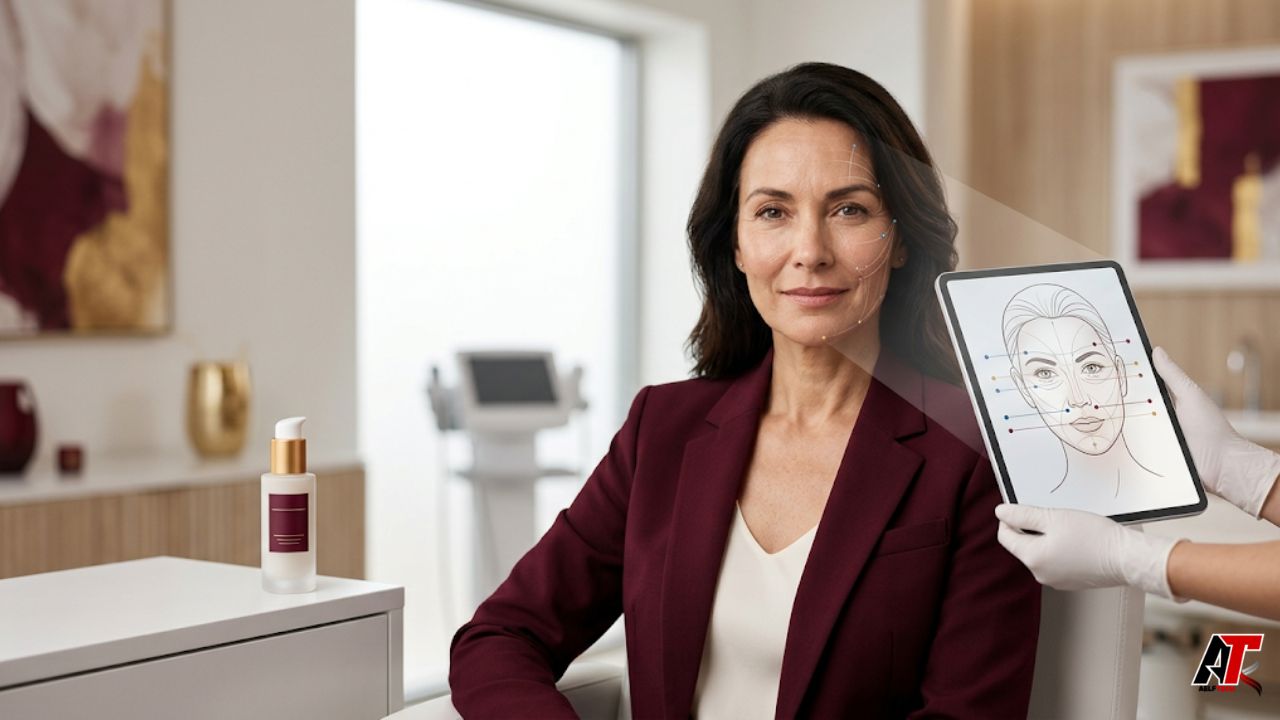
Looking refreshed does not always require surgery, dramatic change, or a single “miracle” treatment. Modern skin rejuvenation is usually most successful when it begins with a clear goal, a realistic timeline, and a plan that matches the actual cause of the concern. Fine lines, sun spots, uneven texture, redness, volume loss, and skin laxity are different problems, so they rarely respond equally well to the same procedure.
The strongest non-surgical plans combine prevention with targeted treatment. Daily sun protection may preserve results, a retinoid may gradually improve fine lines and uneven tone, and an in-office procedure may address deeper texture or volume changes. The objective should be healthier, more balanced skin that still looks like you—not an overcorrected or artificial result.
Start With the Concern, Not the Treatment Trend
Before booking a procedure, identify what you want to change. Dynamic lines appear mainly when facial muscles move, while static lines remain visible at rest. Brown spots relate to pigment, redness may involve visible vessels or inflammation, roughness can reflect surface damage, and facial hollowing is usually a volume issue. Mild laxity is another category altogether.
A qualified dermatologist or appropriately licensed medical professional can assess your skin type, medical history, medications, previous procedures, tendency to scar, and risk of pigment changes. That consultation matters because the most advertised treatment may not be the safest or most effective option for your skin. A good provider should also be willing to say when no procedure is needed.
Build the Daily Foundation First
A consistent skincare routine is the least dramatic path, but it often provides the best return over time. Broad-spectrum sunscreen with SPF 30 or higher helps limit additional photoaging. A gentle cleanser and moisturizer support the skin barrier, which is especially important when active ingredients or procedures are introduced. Without this foundation, irritation can make lines, redness, and uneven texture appear more noticeable.
Retinoids are among the most established topical options for mild fine lines, acne, and irregular pigmentation. Over-the-counter retinol is generally gentler, while prescription retinoids are stronger and require professional guidance. Begin slowly, use a small amount, and increase frequency only as tolerated. Retinoids are generally avoided during pregnancy, so discuss pregnancy, breastfeeding, and medication use with a clinician before starting.
Other useful ingredients may include vitamin C, niacinamide, azelaic acid, peptides, and gentle exfoliating acids. More products do not automatically produce better results. Adding several active ingredients at once can trigger dryness and inflammation, making it difficult to identify what is helping. Introduce one change at a time and allow enough time to judge it fairly.
Chemical Peels for Tone, Texture, and Fine Lines
Chemical peels use a controlled solution to remove selected layers of damaged skin. Superficial peels may brighten dull skin and improve mild unevenness with limited recovery, while medium-depth peels can address more visible discoloration and texture. One ingredient used in professional peeling solutions is trichloroacetic acid (TCA), which may be applied at different strengths depending on the treatment depth and clinical plan.
Peel depth determines both the potential improvement and the recovery burden. Redness, flaking, sensitivity, swelling, temporary darkening, lightening, infection, and scarring are possible. People with deeper skin tones can receive chemical peels, but provider experience is essential because post-inflammatory hyperpigmentation and uneven pigment may be more likely when peel selection, preparation, or aftercare is inappropriate.
Strong chemical peels should not be treated as casual home beauty products. The American Academy of Dermatology highlights the importance of licensed, trained supervision, and the U.S. Food and Drug Administration has warned about injuries from some at-home chemical peel products. Pre-treatment skincare, antiviral medication for people prone to cold sores, strict sun avoidance, and careful wound care may be part of a professional plan.
Microneedling and Radiofrequency Microneedling
Traditional microneedling creates controlled microscopic channels in the skin. The repair response can gradually improve the appearance of certain acne scars, wrinkles, and texture concerns. Results develop over time and often require a series rather than one appointment. Device quality, needle depth, sterile technique, and the provider’s understanding of facial anatomy all affect safety and outcome.
Radiofrequency microneedling adds heat energy below the skin surface in an effort to stimulate remodeling and improve texture or mild laxity. People comparing local options may research Morpheus8 in Riverton, UT, but the brand name alone should never replace a medical consultation, review of the device settings, provider credentials, and discussion of alternatives.
This category deserves particular caution. In October 2025, the FDA issued a safety communication after reports of serious complications with certain uses of radiofrequency microneedling, including burns, scarring, fat loss, disfigurement, nerve damage, and the need for medical or surgical intervention. Ask who will perform the treatment, how they select depth and energy, which complications they have managed, and whether the device is legally marketed for the intended use.
Laser and Light-Based Treatments
Laser resurfacing and light-based procedures can target different layers and colors in the skin. Some treatments focus on brown pigment or visible blood vessels; others create controlled thermal injury to improve texture, fine lines, and sun damage. Ablative lasers generally produce more substantial resurfacing with more downtime, while non-ablative and fractional approaches may offer a gentler recovery but require multiple sessions.
The correct wavelength, energy, pulse duration, cooling method, and treatment density depend on the concern and the patient’s skin. Darker skin contains more melanin, which can absorb treatment energy and increase the risk of burns or pigment changes when settings are unsuitable. Patch testing and selecting a clinician with extensive experience treating your skin tone can reduce, but not eliminate, risk.
Neuromodulators for Expression Lines
Botulinum toxin products temporarily relax selected muscles that form expression lines, such as frown lines or crow’s feet. They do not replace lost volume or resurface sun-damaged skin. Results generally appear within days and fade over several months, which means maintenance is required. Conservative dosing can soften movement while preserving natural expression.
These injections are medical treatments. Product authenticity, correct storage, anatomy knowledge, and emergency preparedness matter. The FDA has warned about counterfeit and illegally marketed botulinum toxin products, and approved products carry important safety information. Treatment should occur in an appropriate medical setting with a clinician who can explain the exact product, expected effect, limitations, and warning signs that require urgent care.
Dermal Fillers for Volume Loss
Fillers can restore fullness in selected areas, soften folds, support facial contours, or improve certain scars. Different materials behave differently, and the choice should depend on the treatment area, tissue characteristics, desired duration, and whether reversibility is important. More filler is not necessarily better; gradual, conservative correction usually looks more natural and makes ongoing aging easier to manage.
Common short-term effects include swelling, tenderness, redness, and bruising. Rare but severe complications can occur if filler enters a blood vessel, including skin injury, vision loss, or stroke. Needle-free filler devices are not a safer shortcut. A qualified injector should understand vascular anatomy, keep appropriate emergency supplies available, and provide written instructions for symptoms that need immediate attention.
Non-Invasive Tightening With Ultrasound or Radiofrequency
External ultrasound and radiofrequency devices deliver energy through the skin without needles. They may create modest tightening in carefully selected patients with mild laxity, but they do not reproduce the lifting and tissue repositioning of surgery. Changes can be gradual, variable, and difficult to photograph consistently. Ask the provider to describe the likely improvement in plain language rather than relying on promotional images alone.
Heat-based treatments still carry risks, including pain, burns, prolonged swelling, pigment changes, contour irregularity, or unwanted fat loss. Treatment settings should be chosen for the individual rather than applied as a standard package. People with implanted medical devices, active skin conditions, altered sensation, or a history of facial procedures may need additional screening or a different approach.
Choose a Treatment by Problem and Downtime
For early fine lines and prevention, begin with sunscreen, moisturizer, and a carefully introduced retinoid. For uneven tone or superficial roughness, a clinician may recommend topical therapy, a light peel, or a selected laser. For dynamic expression lines, a neuromodulator may be appropriate. For true volume loss, filler may be considered. Mild laxity may respond partially to energy-based treatment, while significant laxity may not have a satisfying non-surgical solution.
Downtime should be treated as part of the treatment—not an inconvenience to hide. A procedure with a longer recovery may provide more visible change, but it can also involve greater discomfort, aftercare, pigment risk, and interruption to work or social plans. Schedule around travel, sun exposure, major events, and the possibility that healing may take longer than an advertisement suggests.
How to Evaluate a Provider Safely
Ask for the practitioner’s license, relevant board certification, training for the specific procedure, and experience with your skin tone and concern. Confirm who will perform each step, what product or device will be used, whether it is FDA approved or cleared for the proposed use, and what emergency arrangements are available. Registration with the FDA is not the same as approval of every treatment claim.
A trustworthy consultation should cover alternatives, expected number of sessions, total cost, downtime, pain control, aftercare, maintenance, and possible complications. Review unedited before-and-after images taken with consistent lighting and positioning. Be cautious when a clinic guarantees results, pressures you to buy a package immediately, minimizes risk, or recommends several procedures before completing a medical history.
Create a Phased Rejuvenation Plan
A sensible plan often starts with twelve weeks of barrier-friendly skincare and daily sunscreen. During that period, take standardized photographs and note irritation, breakouts, pigment changes, and your most important concern. The next phase may involve one targeted in-office treatment rather than several overlapping procedures. Reassess only after normal healing and the expected result-development period have passed.
Combining treatments can be effective, but timing matters. Aggressive exfoliation, retinoids, peels, lasers, microneedling, and energy devices can compound inflammation when layered too closely. Your provider should explain which products to stop, when to restart them, and why procedures are being sequenced in a particular order. A slower plan is often safer and easier to evaluate than a rapid series of interventions.
Frequently Asked Questions
Can non-surgical treatments replace a facelift?
They can improve selected concerns such as fine lines, pigment, texture, expression lines, mild laxity, or volume loss. They cannot reliably duplicate the lifting, repositioning, and removal of excess tissue achieved with surgery. A provider should explain that difference before recommending a treatment plan.
How quickly will I see younger-looking skin?
Some injectables produce changes within days, while collagen-remodeling treatments may take weeks or months. Topical routines usually require consistent use for several months. Healing and result timelines vary by treatment, skin condition, age, and adherence to aftercare.
Which option has the least downtime?
Daily skincare, many superficial peels, selected non-ablative treatments, neuromodulators, and some fillers may involve limited downtime. However, “no downtime” does not mean “no risk.” Swelling, redness, bruising, irritation, or unexpected complications can still occur.
Are treatments safe for darker skin tones?
Many treatments can be used safely, but the device, peel depth, settings, preparation, and aftercare may need adjustment. Choose a clinician with documented experience treating darker skin tones and discussing the risk of hyperpigmentation, hypopigmentation, and scarring.
What is the most important anti-aging step?
Daily sun protection is the foundation because ultraviolet exposure accelerates visible skin aging and can undermine procedure results. Combine broad-spectrum SPF 30 or higher with shade, protective clothing, and a routine that your skin can tolerate consistently.
Final Thoughts
Younger-looking skin is rarely the result of chasing every new device or injectable. It comes from matching the treatment to the concern, protecting the skin every day, choosing an experienced medical professional, and accepting that meaningful improvement is often gradual. The safest plan is specific, conservative, and flexible enough to change when your skin’s response differs from expectations.
Approach every procedure as a medical decision rather than a routine beauty purchase. Ask direct questions, verify credentials, read the consent information, and make room for recovery. The right non-surgical path should improve confidence without sacrificing skin health, natural expression, or informed choice.
Leave a Reply