
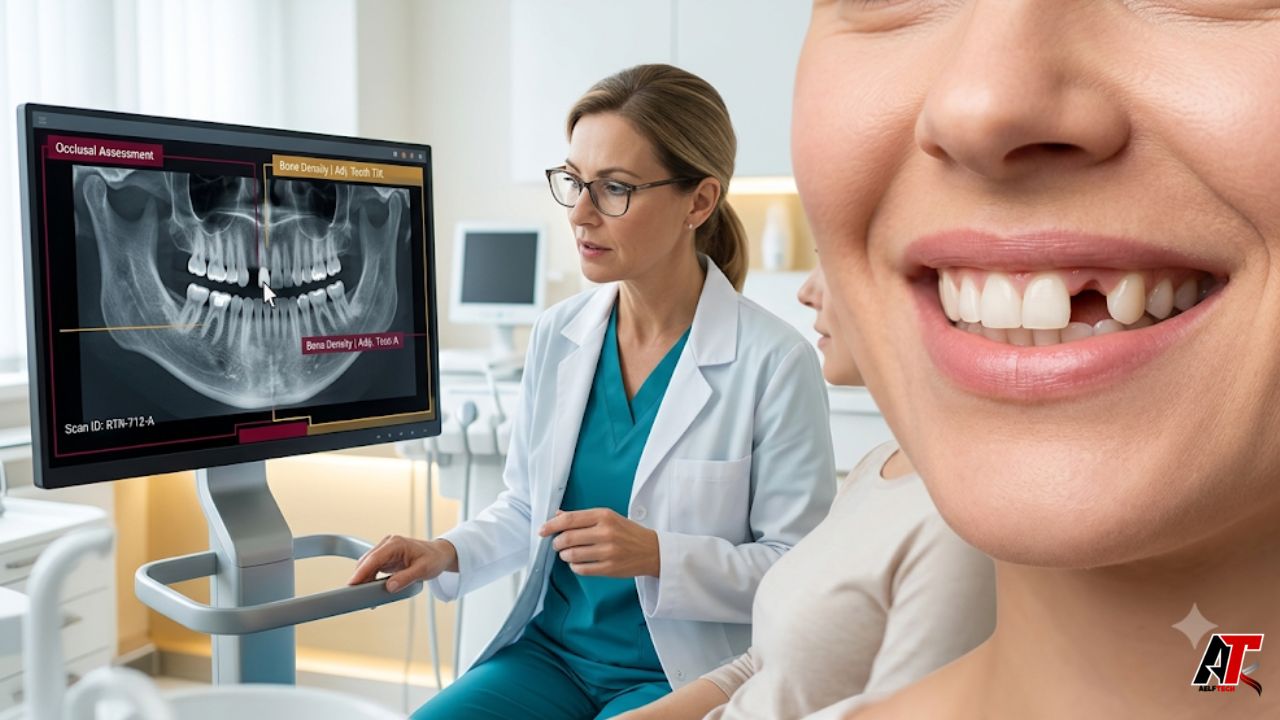
A missing tooth may look like a small problem at first. For many people, the gap is easy to hide, especially if it is near the back of the mouth. It may not hurt every day. It may not stop you from smiling. So it is tempting to wait, ignore it, or think about replacement later.
But your mouth is not a set of separate parts. Each tooth helps support chewing, speech, bite balance, jaw movement, and facial structure. When one tooth is lost, the surrounding teeth and bone begin to respond. Some changes are slow, but they can become harder and more expensive to correct over time.
This guide from aelftech.com explains the long-term effects of a missing tooth in simple language. It also covers why early advice matters, what treatment options may be considered, and how to make a calm decision without feeling pressured.
Why One Missing Tooth Can Affect the Whole Mouth
A natural tooth has two important jobs. The crown, which is the visible part, helps you bite and chew. The root, which sits inside the jawbone, helps stimulate and support the bone beneath the gum.
When the tooth is gone, both jobs are interrupted. The open space can change how forces move through your bite. The bone in that area may also receive less stimulation. At first, these changes may feel minor. However, month by month, the mouth can start to adapt in ways that are not always healthy.
The biggest mistake is judging the problem only by appearance. A gap in the smile is visible, but the deeper effects often happen quietly below the surface.
1. Neighboring Teeth Can Shift Into the Empty Space
Teeth naturally depend on each other for support. When one tooth is removed or lost, the teeth beside it may slowly lean or drift toward the gap. The tooth above or below the empty space may also move because it no longer has a matching tooth to bite against.
This movement can create several problems. Gaps may open in other areas. Teeth may become crowded or tilted. Food may get trapped more easily. Brushing and flossing can become harder. A bite that once felt even may begin to feel uncomfortable.
These changes do not always happen overnight. That is why people often miss the early signs. By the time shifting becomes obvious, treatment may involve more than simply replacing the missing tooth.
2. Jawbone Loss Can Begin After Tooth Loss
The jawbone stays strong when it receives regular pressure from tooth roots during chewing. After a tooth is lost, that specific area no longer gets the same stimulation. Over time, the bone can shrink in height or width.
This matters for both health and future treatment. If too much bone is lost, replacing the tooth later may become more complex. Some patients may need bone grafting or a different restoration plan before an implant can be placed.
Bone loss can also affect the shape of the gum and the support of nearby teeth. Even if the gap is not visible when you smile, the bone underneath can still change.
3. Chewing Pressure May Become Uneven
Many people adapt to a missing tooth by chewing more on the other side of the mouth. This may feel natural at first. However, chewing on one side for months or years can overwork certain teeth and muscles.
Uneven pressure can lead to tooth wear, sensitivity, cracked fillings, gum stress, or muscle fatigue. It can also make it harder to enjoy foods that require strong, balanced chewing.
Back teeth are especially important because they carry much of the chewing load. Losing a molar may not change the look of your smile, but it can change how efficiently your mouth breaks down food.
4. Bite Changes Can Increase Jaw Strain
A stable bite helps the jaw open, close, and move smoothly. When teeth shift or chewing forces become uneven, the jaw may have to work harder to find a comfortable position. This may contribute to jaw tiredness, headaches, clicking, or soreness in some people.
The jaw joint is known as the temporomandibular joint (TMJ). It is a complex joint that connects the lower jaw to the skull. Missing teeth do not automatically cause TMJ disorders, but bite imbalance and muscle strain can be part of a wider jaw discomfort picture.
That is why a dentist may look beyond the empty space. They may examine your bite, jaw movement, muscle tenderness, tooth wear, and chewing habits before recommending a plan.
5. Speech and Pronunciation May Be Affected
Teeth help shape certain sounds. Front teeth are especially important for clear pronunciation. If a front tooth is missing, speech may sound different, air may escape while speaking, or some words may feel harder to pronounce.
Even a back tooth can affect speech indirectly if the tongue starts moving differently to adapt to the gap. Some people adjust quickly, while others feel self-conscious in conversations, meetings, or social settings.
Replacing the tooth can often help restore a more natural speaking pattern, but the best option depends on the location of the missing tooth and the condition of surrounding teeth.
6. Food Trapping Can Raise the Risk of Gum Problems
A missing tooth can create spaces where food particles collect. If nearby teeth tilt, those spaces may become even harder to clean. Plaque can build up around the gumline, which may increase the risk of inflammation, bad breath, decay, and gum problems.
This does not mean every missing tooth will lead to gum disease. Daily oral care still matters a lot. However, the shape of the space can make cleaning less predictable, especially if the gap is wide or the neighboring teeth have shifted.
Good brushing, flossing, and professional cleanings are important. Still, hygiene alone may not solve the structural issue created by the missing tooth.
7. Facial Support Can Change Over Time
Teeth and jawbone help support the lips and cheeks. When several teeth are missing, or when bone loss becomes significant, the face can begin to look less supported. This may create a slightly sunken appearance around the mouth.
A single missing tooth may not cause dramatic facial changes by itself. But if tooth loss is ignored and more teeth are lost later, the combined effect can become more visible. This is one reason dentists often encourage early planning instead of waiting until multiple teeth are involved.
8. Confidence and Daily Comfort May Suffer
The emotional side of tooth loss is real. Some people avoid smiling in photos. Others hide their mouth while speaking or laughing. Some feel nervous about eating in public because food may get stuck or chewing may feel awkward.
These small daily stresses can affect quality of life. Oral health is not only about teeth. It also connects to confidence, comfort, social ease, and the ability to enjoy normal routines without worry.
Common Replacement Options for a Missing Tooth
The right replacement depends on your oral health, budget, bone support, age, medical history, and personal goals. A dentist may discuss one or more of the following options.
- Dental implant: A post is placed in the jawbone and restored with a crown. It is often considered when a long-term, stable solution is desired.
- Dental bridge: A false tooth is supported by neighboring teeth or other structures. This may be suitable when nearby teeth also need restoration.
- Partial denture: A removable appliance can replace one or more teeth. It may be more affordable, but it can feel less fixed than other options.
- No immediate replacement: In some cases, a dentist may monitor the area, but this should be a planned decision, not simple neglect.
For readers looking at location-specific implant care, this resource on dental implants in Palestine TX can help explain how implant treatment may be presented by a dental provider. Always schedule a personal consultation before choosing any treatment.
A Simple Table: What Can Happen If a Missing Tooth Is Ignored
| Possible change | Why it matters |
| Teeth shift | The bite may become uneven and harder to clean. |
| Bone shrinks | Future implant planning may become more complex. |
| Chewing changes | Other teeth may carry extra pressure. |
| Jaw strain | Muscles and joints may feel tired or sore. |
| Speech changes | Certain sounds may become less clear. |
| Confidence drops | Smiling, speaking, or eating may feel stressful. |
When Should You See a Dentist?
It is best to speak with a dentist soon after losing a tooth, even if you are not ready for treatment right away. Early advice gives you more options. It can also help prevent unwanted movement in nearby teeth.
You should book an appointment sooner if you notice pain, swelling, bleeding, difficulty chewing, jaw soreness, tooth movement, bad taste, or gum irritation around the missing tooth area.
A dentist may recommend X-rays or a 3D scan to check bone levels, tooth position, and the health of nearby roots. This information helps create a plan that matches your real situation instead of guessing.
How to Avoid Feeling Overwhelmed by Treatment Choices
Dental treatment can feel confusing because every option has pros, cons, costs, and timelines. The easiest way to think clearly is to ask practical questions.
- What happens if I wait six months or one year?
- Are my nearby teeth already shifting?
- Do I have enough bone for an implant?
- Which option protects my bite the best?
- How many visits will treatment take?
- What maintenance will I need after treatment?
- What are the total costs, not just the first appointment costs?
Clear answers can reduce pressure. A good treatment plan should explain the reason behind each recommendation, not just push the most expensive option.
Prevention After Tooth Replacement
Replacing a missing tooth is not the end of the story. Long-term success also depends on daily care. Brush twice a day, clean between teeth, attend checkups, and follow any instructions from your dentist.
If you grind your teeth, ask whether a night guard is needed. Grinding can place heavy pressure on natural teeth, bridges, and implants. If you have gum disease, controlling it is essential before and after replacement treatment.
Healthy habits protect your investment and help prevent future tooth loss.
Final Thoughts
A missing tooth is more than a cosmetic gap. It can affect tooth alignment, chewing balance, jaw comfort, bone support, speech, and confidence. The changes may be slow, but they can become more serious when ignored.
The best step is not to panic. The best step is to get informed early. A dental professional can check your mouth, explain your options, and help you choose a plan that fits your health and budget.
At the end of the day, protecting your smile is also about protecting daily comfort. The sooner you understand the hidden long-term effects of a missing tooth, the easier it becomes to make a confident decision.
Leave a Reply