
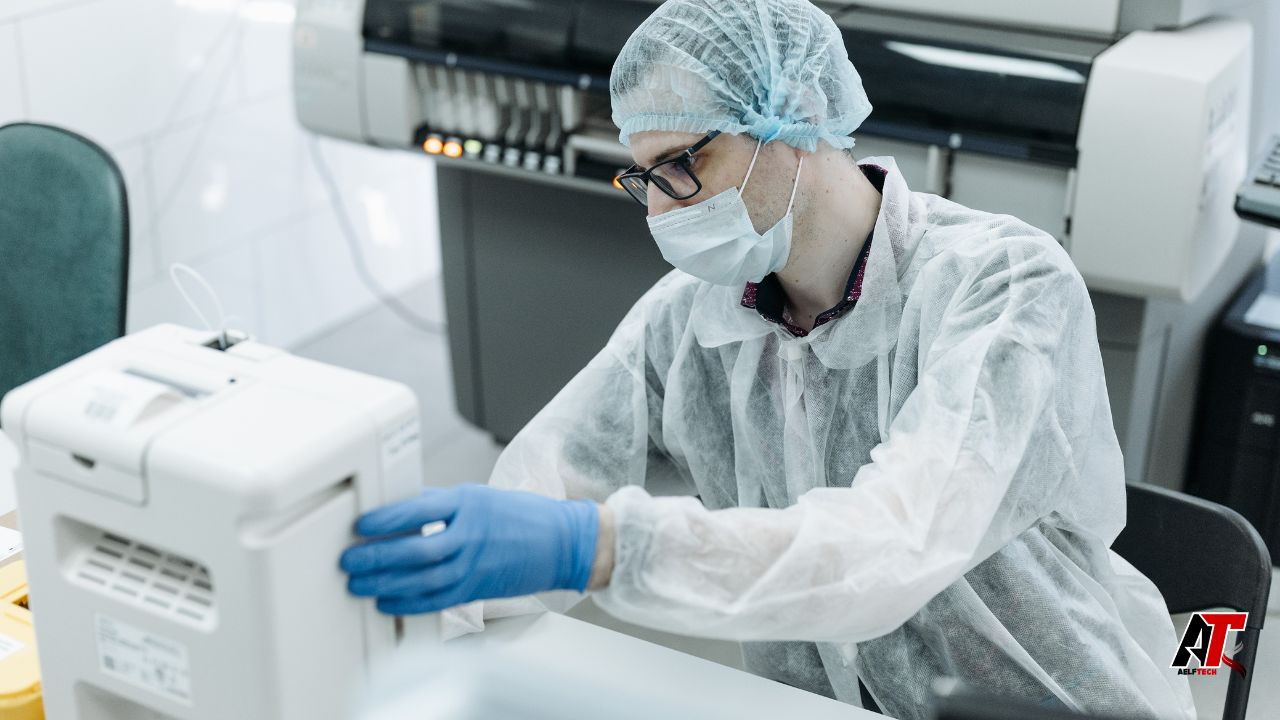
Temperature-controlled storage plays a critical role in healthcare, scientific research, and pharmaceutical operations. Many medical products, biological samples, and laboratory materials require carefully maintained storage conditions to help preserve their quality and stability. A Medical Freezer is specifically designed to provide reliable low-temperature storage while offering greater temperature control, monitoring, and security than standard household freezers.
Hospitals, laboratories, blood banks, research institutions, pharmacies, and vaccine storage facilities rely on medical freezers to support daily operations and maintain the integrity of temperature-sensitive materials.
What Is a Medical Freezer?
A medical freezer is a specialized refrigeration unit designed for storing medical, pharmaceutical, and laboratory materials at controlled low temperatures. These freezers are built to provide stable temperature conditions, advanced monitoring systems, and reliable performance for environments where temperature consistency is essential.
Unlike domestic freezers, medical freezers are designed to meet the operational requirements of healthcare and laboratory settings.
Why Medical Freezers Are Important
Many biological and pharmaceutical materials require controlled storage temperatures to maintain their intended characteristics.
Medical freezers support the storage of:
- Vaccines
- Biological samples
- Laboratory reagents
- Blood products where appropriate
- Pharmaceuticals
- Research materials
Storage requirements vary depending on the specific product or sample and should always follow manufacturer recommendations and applicable regulatory guidelines.
Common Applications
Medical freezers are used in a wide range of professional environments.
Hospitals
Hospitals use medical freezers to store temperature-sensitive medications, laboratory materials, and other approved medical supplies.
Clinical Laboratories
Laboratories often require low-temperature storage for:
- Research samples
- Diagnostic materials
- Biological specimens
- Laboratory reagents
Proper storage helps maintain sample integrity according to laboratory protocols.
Pharmaceutical Facilities
Pharmaceutical organizations use medical freezers during research, manufacturing, and storage processes for products that require controlled temperatures.
Blood Banks
Certain blood components may require frozen storage under specific medical guidelines. Storage protocols vary according to the type of blood product and applicable healthcare standards.
Research Institutions
Universities and scientific laboratories use medical freezers to support ongoing biomedical, pharmaceutical, and life science research.
Types of Medical Freezers
Different applications require different storage temperatures.
Laboratory Freezers
Laboratory freezers are commonly used for general research and diagnostic storage requiring reliable low-temperature performance.
Ultra-Low Temperature Freezers
Ultra-low temperature (ULT) freezers are designed to maintain extremely low temperatures for specialized research and biological storage.
These units are commonly used in:
- Biomedical research
- Pharmaceutical development
- Molecular biology
- Long-term sample preservation
Temperature requirements depend on the specific materials being stored.
Pharmacy Freezers
Pharmacy freezers support the storage of medications and pharmaceutical products according to manufacturer recommendations and applicable regulations.
Key Features
Modern medical freezers often include advanced features that support reliability and monitoring.
Precise Temperature Control
Accurate temperature regulation helps maintain stable storage conditions.
Digital controllers allow users to monitor and adjust temperatures as required.
Temperature Monitoring
Many units include continuous monitoring systems that record storage temperatures and alert users if conditions move outside acceptable ranges.
Alarm Systems
Medical freezers often include alarms that notify users of:
- Temperature deviations
- Power failures
- Door openings
- System faults
Early notification helps support timely intervention.
Secure Access
Some medical freezers include lockable doors or controlled access features that help protect stored materials.
Backup Systems
Certain installations may include backup power solutions or additional monitoring systems to support continuous operation during unexpected power interruptions.
Choosing the Right Medical Freezer
Several factors should be evaluated before purchasing.
Temperature Requirements
Always select equipment capable of maintaining the storage temperatures recommended for the materials being stored.
Storage Capacity
Choose a freezer with sufficient capacity while allowing room for future expansion.
Energy Efficiency
Energy-efficient models may help reduce operating costs while supporting environmental sustainability.
Reliability
Healthcare and laboratory environments require dependable equipment designed for continuous operation.
Regulatory Considerations
Organizations should ensure equipment is appropriate for their intended application and complies with applicable standards and regulatory requirements.
Maintenance Best Practices
Routine maintenance helps support reliable performance.
Recommended practices include:
- Monitor temperatures regularly.
- Clean condenser components according to manufacturer recommendations.
- Inspect door seals.
- Test alarm systems.
- Schedule preventive maintenance.
- Maintain service records.
Following manufacturer maintenance guidelines helps maximize equipment reliability.
Future Trends
Cold storage technology continues evolving through digital innovation.
Emerging developments include:
- Remote monitoring
- Cloud-based temperature logging
- Smart alarms
- Predictive maintenance
- Energy-efficient cooling systems
- Internet of Things (IoT) integration
These technologies help improve equipment management and operational oversight.
Frequently Asked Questions
What is a medical freezer?
A medical freezer is a specialized refrigeration unit designed to store temperature-sensitive medical, laboratory, and pharmaceutical materials under controlled conditions.
How is a medical freezer different from a household freezer?
Medical freezers generally provide more precise temperature control, continuous monitoring, alarm systems, and features designed for professional healthcare and laboratory environments.
What can be stored in a medical freezer?
Depending on the equipment and storage requirements, medical freezers may be used for vaccines, laboratory reagents, biological samples, pharmaceuticals, and research materials. Always follow manufacturer recommendations and applicable storage guidelines.
Why is temperature monitoring important?
Continuous monitoring helps ensure stored materials remain within the required temperature range and allows prompt action if conditions change unexpectedly.
How often should a medical freezer be maintained?
Maintenance schedules vary by manufacturer and usage. Regular inspections, cleaning, monitoring, and preventive servicing help support reliable operation.
Conclusion
Medical freezers are essential components of modern healthcare, pharmaceutical, and laboratory operations, providing reliable low-temperature storage for sensitive materials that require carefully controlled conditions. With advanced temperature monitoring, alarm systems, secure storage features, and dependable performance, these specialized freezers help organizations maintain operational standards while protecting valuable medical and research materials. By selecting equipment that matches specific storage requirements and following appropriate maintenance practices, healthcare facilities and laboratories can support long-term reliability and regulatory compliance.
Leave a Reply