
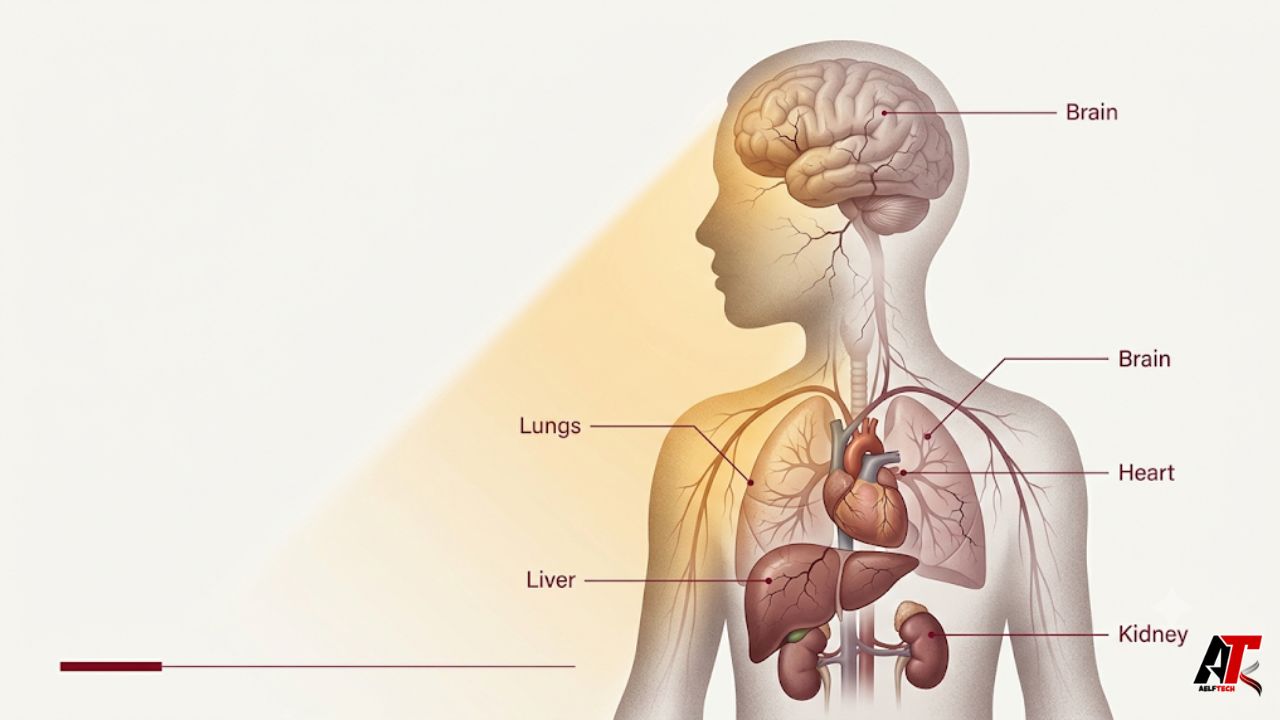
Substance-related harm is not always dramatic or immediately visible. A person may continue working, studying, parenting, or socializing while alcohol, opioids, stimulants, sedatives, cannabis, or other drugs gradually alter the brain and strain the body. That slow progression is what makes the long-term effects of substance abuse so easy to underestimate. By the time obvious symptoms appear, damage may already involve several organs, emotional health, relationships, and daily functioning.
Healthcare professionals increasingly use terms such as substance misuse and substance use disorder because they are more precise and less stigmatizing than “substance abuse.” A substance use disorder is a treatable medical condition in which a person struggles to control use despite harmful consequences. Long-term harm varies by substance, dose, frequency, route, age, health, nutrition, and whether substances are combined.
Why the Damage Can Remain Silent
The body is remarkably good at compensating. The liver can continue functioning despite injury, the heart may work harder without producing early pain, and the brain can adapt to repeated chemical stimulation. These adjustments can hide a developing problem. Tolerance may also create the false impression that the body has become “used to” a substance. In reality, needing more to achieve the same effect is a warning that the brain and body are adapting in ways that can increase dependence, toxicity, and overdose risk.
Long-term effects may be mistaken for stress or aging. Poor sleep, irritability, digestive problems, low motivation, memory lapses, infections, and reduced performance can emerge gradually, so people may treat each symptom separately instead of considering a shared cause.
How Repeated Substance Use Changes the Brain
Addictive substances affect the brain’s reward, stress, learning, and decision-making systems. Repeated use can make substance-related cues feel unusually important while everyday rewards—such as food, hobbies, relationships, or achievement—feel less satisfying. Over time, a person may use a substance less for pleasure and more to avoid withdrawal, emotional distress, or the sense that they cannot function normally without it.
Thinking skills can also suffer. Substance abuse can also impair memory, attention, planning, reaction time, and learning from consequences. Alcohol can disrupt memory formation, stimulants can worsen sleep and judgment, and sedating drugs can slow processing. Some problems improve in recovery, while others may persist after prolonged use, repeated overdose, head injury, oxygen deprivation, or exposure during adolescence.
These brain changes do not make recovery impossible. They explain why willpower alone may be insufficient and why cravings can return. Effective care builds healthier routines, coping skills, support, and, when appropriate, medication treatment.
Mental Health, Mood, and Sleep
Long-term substance use and mental health problems often reinforce one another. Alcohol and other depressant substances may temporarily dull anxiety or sadness but can worsen mood, sleep quality, and emotional regulation over time. Stimulants may produce periods of energy or confidence followed by exhaustion, irritability, depression, or paranoia. Cannabis can affect some people differently, but frequent use may be associated with anxiety, impaired concentration, or worsening psychiatric symptoms in vulnerable individuals.
Sleep is central to this cycle. A substance may help someone fall asleep yet reduce restorative sleep or cause rebound wakefulness. Chronic disruption affects attention, immunity, appetite, pain, and emotional control. When substance use and another mental health condition occur together, both should be assessed.
Damage to the Heart and Blood Vessels
The cardiovascular system may be affected even when a person feels physically capable. Stimulants can raise heart rate and blood pressure, constrict blood vessels, and increase the risk of abnormal rhythms, heart attack, or stroke. Heavy alcohol use can weaken the heart muscle, contribute to high blood pressure, and trigger irregular heartbeat. Opioids can slow breathing, reducing oxygen delivery to the heart and brain, especially during an overdose or when combined with alcohol or sedatives.
Intoxication, dehydration, poor nutrition, and sleep loss add further stress. Chest pain, fainting, severe breathlessness, one-sided weakness, or sudden confusion require emergency care.
Liver, Kidneys, and Digestive System
The liver processes alcohol, medications, and many drugs, making it especially vulnerable to repeated exposure. Long-term heavy drinking can progress from fatty liver to inflammation, fibrosis, and cirrhosis. Certain combinations—such as alcohol with medications that also affect the liver—can increase risk. Liver injury may remain unnoticed until symptoms such as persistent fatigue, abdominal swelling, easy bruising, dark urine, or yellowing of the skin and eyes appear.
Kidneys can be harmed by dehydration, high body temperature, reduced blood flow, muscle breakdown, infection, or toxicity. Cocaine and some stimulants are linked with kidney injury, while vomiting or diarrhea can disrupt fluids and electrolytes. Digestive problems may include reflux, ulcers, bleeding, pancreatitis, constipation, nausea, and poor nutrient absorption.
Lungs, Immunity, and Infection Risk
Smoking or inhaling substances exposes the lungs to heat, particles, chemicals, and contaminants. Long-term effects can include chronic cough, airway irritation, worsened asthma, reduced function, and infections. Opioids and sedatives suppress breathing, and repeated low-oxygen episodes can cause lasting injury even after survival.
Injection drug use can damage veins and increase the risk of skin infections, abscesses, bloodstream infections, heart-valve infection, hepatitis, and HIV when equipment is shared or contaminated. Substance use can also weaken judgment around safer sex, wound care, nutrition, and medical appointments. The result is not simply one isolated illness but a network of health risks that can compound over time.
Hormones, Sexual Health, Nutrition, and Oral Health
Chronic substance use may disrupt appetite, weight, hormones, fertility, sexual function, and menstrual cycles. Use during pregnancy can affect fetal development. Anyone pregnant, planning pregnancy, or breastfeeding should seek professional guidance rather than abruptly stopping prescribed medication.
Oral health may decline through dry mouth, teeth grinding, sugary drinks, vomiting, poor hygiene, or missed dental care. Stimulants can be especially damaging to teeth and gums. Regular food, hydration, sleep, and preventive care are therefore important parts of recovery.
Tolerance, Dependence, Withdrawal, and Overdose
Tolerance means that a larger amount may be needed to produce an effect that once occurred at a lower dose. Physical dependence means the body has adapted and may react when the substance is reduced or stopped. Neither term alone is identical to addiction, but both can increase risk. A person who returns to a previously tolerated amount after a period of abstinence may overdose because tolerance has fallen.
Withdrawal varies widely. Opioid withdrawal is usually extremely uncomfortable, while alcohol and some sedative withdrawal syndromes can become life-threatening. For that reason, a person who uses alcohol, benzodiazepines, barbiturates, or multiple substances regularly should seek medical advice before abruptly stopping. Emergency warning signs include slowed or stopped breathing, blue or gray lips, inability to wake, seizure, severe confusion, hallucinations, chest pain, or very high body temperature.
Although U.S. overdose mortality declined in 2024, the final count was still 79,384 deaths. Population improvement does not remove the danger of unpredictable potency, fentanyl contamination, mixing substances, using alone, or returning after tolerance falls.
Relationships, Work, Finances, and Legal Consequences
Some of the deepest long-term damage appears outside a medical chart. Secrecy, missed responsibilities, unpredictable behavior, financial strain, and repeated conflict can erode trust. Children and partners may adapt by becoming hypervigilant, taking on extra responsibilities, or avoiding difficult conversations. At work or school, concentration problems, absenteeism, accidents, disciplinary action, and falling performance may develop before anyone recognizes a health condition.
Substance-related incidents can also lead to arrest, impaired-driving charges, probation problems, or other legal consequences. In an immediate Utah legal crisis, a family may seek the assistance of local bail bonds services while also arranging advice from a licensed attorney. Bail support does not address the underlying health problem, so legal help should be paired with medical assessment, treatment planning, and practical support whenever substance use contributed to the incident.
Financial damage can continue after use stops. Debt, job loss, medical bills, legal fees, and damaged credit may require a structured plan. Recovery is often stronger when healthcare, counseling, family support, employment help, and financial guidance work together.
Why People Delay Seeking Help
People may delay care because they fear judgment, cost, withdrawal, job loss, family reaction, or legal consequences. Others compare themselves with more severe cases. High functioning does not rule out a substance use disorder; health and relationships can deteriorate while obligations are still being met.
Stigma is another barrier. Describing addiction as a moral failure can make people hide symptoms and avoid treatment. A more accurate approach recognizes that repeated substance use changes behavior and brain function while still holding space for responsibility, boundaries, and change. Compassion is not the same as ignoring harm; it creates a better starting point for addressing it.
Can the Body and Brain Heal?
Recovery can produce meaningful improvement. Sleep, appetite, blood pressure, mood, attention, liver inflammation, and family functioning may improve after substance use is reduced or stopped and appropriate care begins. The pace is different for every person. Some changes appear within days or weeks, while neurological, emotional, financial, and relationship recovery may take months or years. Certain injuries, such as advanced cirrhosis, stroke damage, chronic lung disease, or infection-related complications, may be permanent or require long-term management.
Treatment may include medical detoxification, outpatient or residential care, counseling, peer support, family therapy, mental healthcare, and medications for alcohol or opioid use disorder. CDC guidance notes that opioid-use-disorder medications can reduce illicit use, improve treatment retention, and lower overdose risk. A return to use signals that the plan may need adjustment; it does not prove failure.
Early Signs That Deserve Attention
Warning signs include needing more of a substance, using longer than intended, unsuccessful attempts to cut down, cravings, withdrawal symptoms, using in risky situations, neglecting responsibilities, losing interest in usual activities, continuing despite health or relationship problems, and spending increasing time obtaining, using, or recovering from substances. Physical clues may include major sleep or weight changes, tremors, persistent cough, frequent infections, unexplained injuries, digestive problems, dental decline, or memory changes.
One symptom does not confirm a diagnosis. A qualified clinician can assess the pattern, review medications, screen mental health, and check for organ damage or infection. Honest information about alcohol, cannabis, prescriptions, supplements, and illicit drugs supports safer care.
Taking the First Step Safely
A practical first step is to tell one trustworthy person and schedule a confidential medical assessment. Write down what is being used, how often, in what amount, and whether withdrawal has occurred before. Do not mix substances, use someone else’s medication, or attempt an unsupervised detox when severe withdrawal is possible. Families can support treatment while setting clear boundaries around money, driving, children, threats, and violence.
For overdose or severe symptoms, call emergency services immediately. Naloxone can reverse an opioid overdose when given in time, but emergency evaluation is still needed because its effect may wear off first. Evidence-based treatment and recovery support are available, and earlier help usually provides more options.
For more reader-friendly health and educational content, visit aelftech.com. Online information can support awareness, but it cannot replace an individual diagnosis, emergency response, or treatment plan from a licensed professional.
Conclusion
The silent nature of substance-related harm is precisely what makes it dangerous. Changes in memory, mood, sleep, breathing, circulation, liver function, immunity, relationships, and judgment can accumulate long before a crisis forces attention. Understanding the long-term effects of substance abuse is not about frightening or labeling people. It is about recognizing patterns early enough to protect health and create a realistic path forward.
Addiction is treatable, recovery is possible, and improvement may begin even after years of use. The safest response combines medical care, psychological support, practical assistance, and respect for the person’s dignity. The sooner hidden damage is taken seriously, the greater the opportunity to prevent an irreversible outcome.
Leave a Reply