
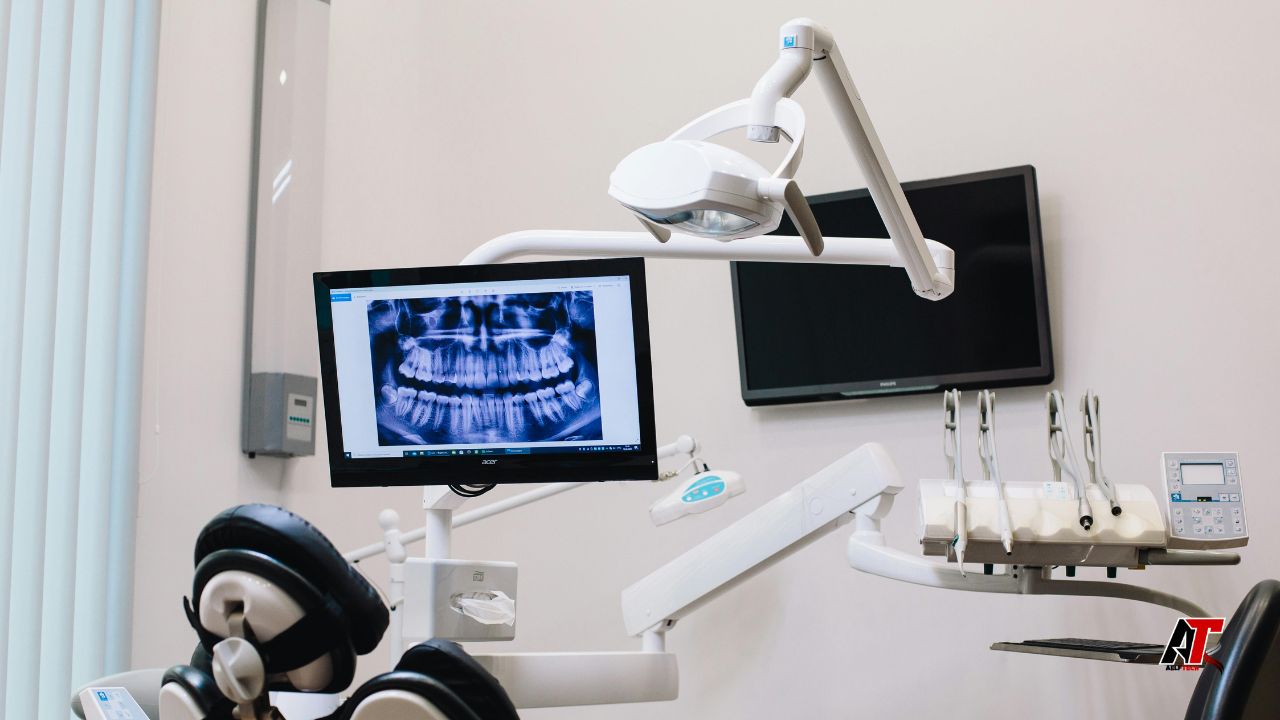
Digital technology has transformed modern dentistry, making diagnoses faster, more accurate, and more comfortable for patients. One of the most important innovations in dental imaging is the use of Intraoral Sensors, which have largely replaced traditional dental X-ray film in many practices. These advanced digital devices produce high-quality images almost instantly, allowing dentists to identify oral health issues quickly while improving workflow efficiency and enhancing the patient experience.
As dental practices continue adopting digital solutions, intraoral sensors have become an essential part of preventive care, diagnosis, and treatment planning.
What Are Intraoral Sensors?
Intraoral sensors are digital imaging devices used inside a patient’s mouth to capture dental X-ray images. Instead of using traditional photographic film, these sensors convert X-ray exposure into digital images that can be viewed immediately on a computer.
The images produced by intraoral sensors help dentists examine teeth, gums, bone structures, and surrounding oral tissues with excellent detail, supporting more accurate diagnosis and treatment planning.
How Intraoral Sensors Work
The imaging process is straightforward and efficient.
During a dental examination:
- The sensor is positioned inside the patient’s mouth.
- A dental X-ray unit captures the image.
- The sensor converts the X-ray information into digital data.
- The image appears almost instantly on the computer screen.
- The dentist reviews the image and discusses the findings with the patient.
This digital workflow significantly reduces waiting time compared to traditional film processing.
Benefits of Intraoral Sensors
Faster Image Acquisition
One of the biggest advantages of digital sensors is speed.
Images are available within seconds, allowing dentists to diagnose conditions without waiting for film development.
This improves appointment efficiency and reduces patient waiting time.
High-Quality Digital Images
Modern intraoral sensors provide detailed images that allow dentists to examine:
- Tooth decay
- Bone levels
- Root structures
- Dental restorations
- Periodontal conditions
- Periapical abnormalities
Many imaging systems also allow dentists to enlarge images and adjust brightness or contrast for improved visualization.
Reduced Radiation Exposure
Digital dental imaging systems often require less radiation than traditional film-based techniques, although the exact reduction depends on the equipment, imaging protocol, and clinical situation.
Lower radiation exposure supports patient safety while maintaining diagnostic image quality.
Improved Patient Communication
Displaying dental images on a computer monitor helps patients better understand their oral health.
Visual explanations often make it easier to discuss:
- Cavities
- Gum disease
- Treatment options
- Preventive care
- Restorative procedures
Better communication can support informed decision-making.
Environmentally Friendly
Digital imaging eliminates many of the chemicals and physical film materials traditionally used during X-ray processing.
This reduces waste while simplifying image storage and management.
Common Applications
Intraoral sensors are used in many areas of dentistry.
Detecting Tooth Decay
Digital X-rays help identify cavities that may not be visible during a routine clinical examination.
Early detection allows dentists to recommend treatment before decay progresses.
Evaluating Bone Health
Dentists assess bone levels to diagnose and monitor periodontal disease.
Accurate imaging supports treatment planning for gum health.
Root Canal Treatment
Endodontic procedures often rely on digital imaging to evaluate root canals before, during, and after treatment.
Dental Implant Planning
Although additional imaging may also be used, intraoral sensors assist with evaluating surrounding teeth and bone structures during implant planning.
Monitoring Existing Restorations
Digital X-rays help dentists evaluate crowns, bridges, fillings, and other restorations for signs of wear or hidden decay.
Types of Intraoral Sensors
Different sensor technologies are available depending on the dental practice’s needs.
CMOS Sensors
Complementary Metal-Oxide Semiconductor (CMOS) sensors are widely used because they provide fast image capture and excellent image quality.
CCD Sensors
Charge-Coupled Device (CCD) sensors have been used in digital dentistry for many years and continue to provide reliable diagnostic imaging.
Each technology offers specific advantages depending on clinical requirements and equipment preferences.
Advantages for Dental Practices
Digital imaging improves efficiency throughout the dental office.
Benefits include:
- Faster appointments
- Immediate image availability
- Improved diagnostic accuracy
- Easier record management
- Better workflow integration
- Simplified image sharing
These improvements support both clinical care and operational efficiency.
Choosing the Right Intraoral Sensor
Dental practices should consider several factors before investing in digital imaging equipment.
Image Quality
High-resolution imaging supports accurate diagnosis and treatment planning.
Sensor Size
Different sensor sizes accommodate various patient age groups and clinical applications.
Durability
Since sensors are used frequently, durability is an important consideration for long-term performance.
Software Compatibility
The imaging system should integrate smoothly with existing dental practice management software.
Ease of Use
Comfortable positioning and intuitive software improve both clinician workflow and patient experience.
Proper Care and Maintenance
Routine maintenance helps extend the lifespan of intraoral sensors.
Best practices include:
- Clean sensors according to manufacturer instructions.
- Use protective barriers during patient examinations.
- Store equipment carefully.
- Inspect cables regularly.
- Avoid dropping or bending sensors.
- Follow recommended maintenance schedules.
Proper handling protects the equipment and supports consistent image quality.
Future of Digital Dental Imaging
Digital dentistry continues to evolve through technological innovation.
Emerging developments include:
- Artificial intelligence-assisted diagnostics
- Cloud-based image storage
- Enhanced image processing
- Wireless sensor technology
- Improved patient management integration
- Advanced diagnostic software
These technologies continue to improve diagnostic capabilities while enhancing clinical efficiency.
Frequently Asked Questions
What are intraoral sensors?
Intraoral sensors are digital devices used inside the mouth to capture dental X-ray images that assist dentists in diagnosing oral health conditions.
Are intraoral sensors better than traditional dental X-ray film?
Digital sensors provide immediate image availability, high-resolution imaging, simplified storage, and often require less radiation than traditional film-based systems, depending on the equipment and imaging protocol.
Do intraoral sensors improve patient care?
Yes. Faster image acquisition, improved image quality, and enhanced communication help support more efficient diagnosis and treatment planning.
Are digital dental X-rays safe?
Dental X-rays are generally performed using the lowest appropriate radiation exposure necessary for diagnosis. Dentists follow established safety guidelines and recommend imaging only when clinically appropriate.
How long do intraoral sensors last?
The lifespan depends on factors such as usage, maintenance, handling, and manufacturer design. Following proper care procedures can help maximize equipment longevity.
Conclusion
Intraoral sensors have become a cornerstone of modern digital dentistry by providing fast, high-quality imaging that supports accurate diagnosis, efficient workflows, and improved patient communication. Their ability to produce immediate digital images while simplifying record management has made them an essential investment for many dental practices. As imaging technology continues to advance with artificial intelligence, cloud integration, and enhanced software capabilities, intraoral sensors will continue playing a significant role in delivering high-quality dental care and improving patient outcomes.
Leave a Reply