
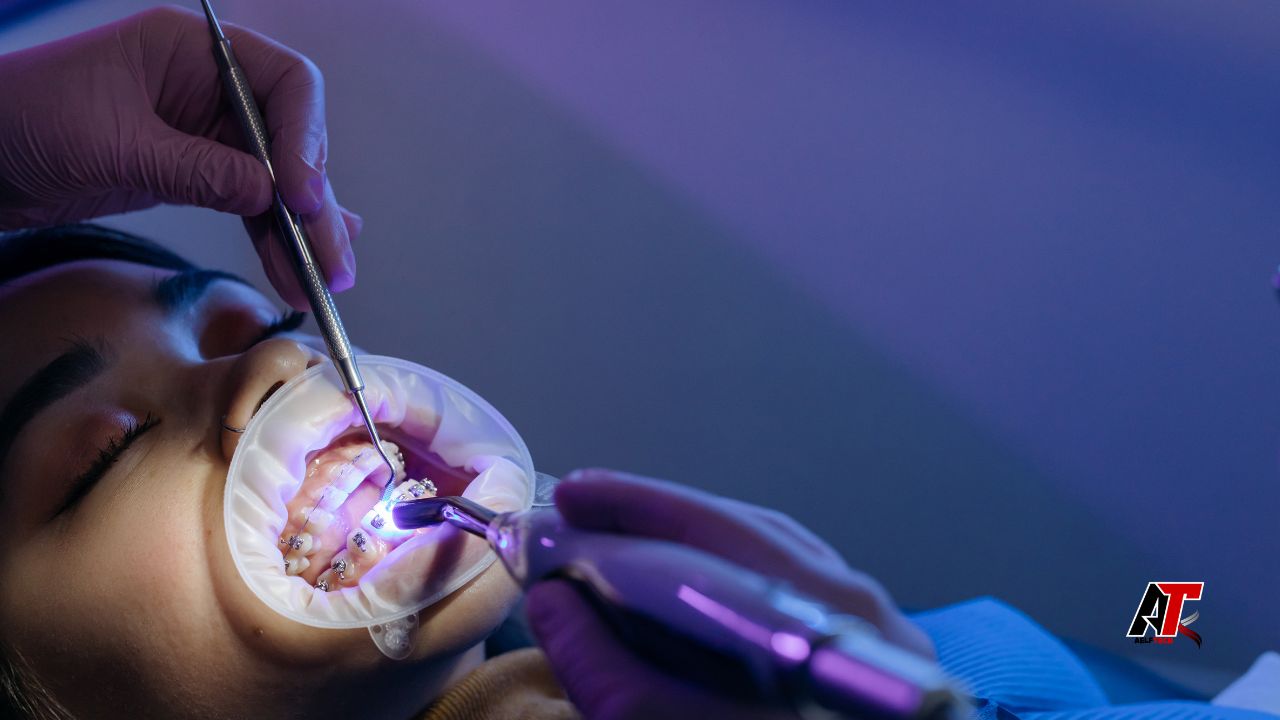
Maintaining good oral health is essential for preserving your natural teeth and preventing more serious dental problems. One of the most common restorative dental treatments is Dental Fillings, which are used to repair teeth damaged by cavities, minor fractures, or wear. By restoring the structure and function of a tooth, dental fillings help prevent further decay, relieve discomfort, and improve your ability to chew and speak comfortably. Understanding the different types of fillings, the treatment process, and proper aftercare can help you make informed decisions about your dental health.
What Are Dental Fillings?
Dental fillings are restorative materials placed inside a tooth after decayed or damaged tissue has been removed. Their primary purpose is to restore the tooth’s shape, strength, and function while preventing bacteria from entering the affected area.
Fillings are commonly recommended when a dentist identifies cavities caused by tooth decay. They may also be used to repair minor chips, cracks, or worn areas of teeth resulting from grinding or everyday use.
Why Dental Fillings Are Important
Treating cavities early helps prevent more extensive dental problems.
Some of the main benefits of dental fillings include:
- Restoring damaged teeth
- Preventing further tooth decay
- Reducing tooth sensitivity
- Improving chewing function
- Preserving natural teeth
- Restoring tooth appearance
- Preventing infection from worsening
Delaying treatment may allow decay to progress deeper into the tooth, potentially requiring more extensive procedures such as root canal treatment or tooth extraction.
Signs You May Need a Dental Filling
A dentist can determine whether a filling is necessary during a dental examination, but common symptoms may include:
- Tooth sensitivity to hot or cold foods
- Pain when chewing
- Visible holes or dark spots on a tooth
- Toothache
- Chipped or cracked teeth
- Food frequently getting trapped in one area
- Rough or uneven tooth surfaces
Some cavities do not cause noticeable symptoms, making regular dental checkups important for early detection.
Types of Dental Fillings
Several filling materials are available, each with its own advantages.
Composite Resin Fillings
Composite fillings are tooth-colored materials designed to blend naturally with surrounding teeth.
Advantages include:
- Natural appearance
- Bonds directly to the tooth
- Suitable for visible teeth
- Preserves more natural tooth structure
These fillings are commonly used for front teeth and visible areas of the mouth.
Amalgam Fillings
Dental amalgam has been used for many years to restore teeth, particularly in back molars.
Benefits include:
- High durability
- Strong resistance to chewing forces
- Long service life
- Generally lower cost than some alternatives
Amalgam fillings are silver in color and may be more noticeable than tooth-colored materials.
Ceramic Fillings
Ceramic fillings are often made from porcelain and are valued for their durability and natural appearance.
Advantages include:
- Stain resistance
- Excellent aesthetics
- Long-lasting performance
- Good strength
These restorations are often fabricated in a dental laboratory or using digital technology.
Gold Fillings
Gold fillings are highly durable and can last for many years with proper care.
Benefits include:
- Exceptional durability
- Excellent wear resistance
- Long lifespan
However, they are generally more expensive and require multiple dental visits.
Glass Ionomer Fillings
Glass ionomer materials are commonly used for children, root surface cavities, or areas that are not subjected to heavy chewing forces.
Some formulations release fluoride, which may help protect the surrounding tooth structure.
The Dental Filling Procedure
Receiving a dental filling is generally a straightforward process.
Examination
The dentist examines the tooth using visual inspection, dental instruments, and, when necessary, dental X-rays to determine the extent of decay.
Local Anesthesia
If needed, local anesthesia is administered to numb the treatment area and improve patient comfort.
Removal of Decay
The dentist carefully removes decayed or damaged tooth material while preserving as much healthy tooth structure as possible.
Cleaning the Tooth
The cavity is cleaned to remove bacteria and debris before the filling material is placed.
Filling Placement
The selected filling material is applied and shaped to restore the tooth’s natural form.
For composite fillings, a special curing light is often used to harden the material.
Finishing and Polishing
The dentist adjusts the filling to ensure a comfortable bite and polishes the restoration for a smooth finish.
Benefits of Dental Fillings
Dental fillings provide several important advantages.
Restore Tooth Function
Fillings allow patients to chew comfortably and maintain normal oral function.
Prevent Further Damage
Sealing the cavity helps reduce the risk of bacteria reaching deeper layers of the tooth.
Improve Appearance
Tooth-colored filling materials can closely match the natural color of surrounding teeth.
Preserve Natural Teeth
Early treatment helps maintain healthy tooth structure and reduces the likelihood of more extensive restorative procedures.
Long-Lasting Results
With proper care and regular dental visits, many fillings can last for years.
Caring for Dental Fillings
Good oral hygiene helps extend the life of dental restorations.
Recommended practices include:
- Brush twice daily with fluoride toothpaste.
- Floss every day.
- Limit sugary foods and beverages.
- Visit your dentist for regular checkups.
- Avoid chewing hard objects such as ice or pens.
- Wear a night guard if you grind your teeth.
Regular dental examinations allow your dentist to monitor the condition of existing fillings.
Possible Risks and Complications
Although dental fillings are generally safe and effective, some patients may experience temporary issues such as:
- Mild tooth sensitivity
- Temporary discomfort after treatment
- Bite adjustment needs
- Filling wear over time
- Filling fractures in some situations
If pain persists or the filling feels loose, contact your dentist for evaluation.
How Long Do Dental Fillings Last?
The lifespan of a filling depends on several factors, including:
- Filling material
- Oral hygiene habits
- Chewing forces
- Diet
- Tooth grinding
- Regular dental care
Many fillings can remain functional for several years, while some may last significantly longer with proper maintenance.
Tips for Preventing Cavities
Preventing tooth decay reduces the need for restorative treatment.
Healthy habits include:
- Brush regularly with fluoride toothpaste.
- Floss daily.
- Reduce sugary snacks and drinks.
- Drink water throughout the day.
- Visit the dentist for routine cleanings.
- Consider fluoride treatments if recommended.
- Eat a balanced diet rich in vitamins and minerals.
Consistent preventive care supports long-term oral health.
Frequently Asked Questions
What are dental fillings used for?
Dental fillings are used to restore teeth damaged by cavities, minor fractures, or wear after the affected area has been cleaned and prepared by a dentist.
Do dental fillings hurt?
The procedure is typically performed using local anesthesia, which helps minimize discomfort. Some mild sensitivity after treatment is normal and usually temporary.
Which type of dental filling is best?
The most suitable filling material depends on the location of the tooth, the size of the cavity, aesthetic preferences, durability requirements, and your dentist’s recommendation.
How long do dental fillings last?
The lifespan of a filling varies depending on the material used, oral hygiene, and individual habits. Regular dental checkups help monitor their condition.
Can a dental filling be replaced?
Yes. If a filling becomes worn, damaged, or no longer seals the tooth effectively, a dentist can evaluate whether it should be repaired or replaced.
Conclusion
Dental fillings are one of the most common and effective treatments for restoring teeth affected by decay or minor damage. By repairing cavities early, fillings help preserve natural teeth, restore normal function, and reduce the risk of more serious dental complications. Choosing the appropriate filling material, maintaining good oral hygiene, and attending regular dental checkups can help maximize the longevity of your restoration and support a healthy smile for years to come.
Leave a Reply