
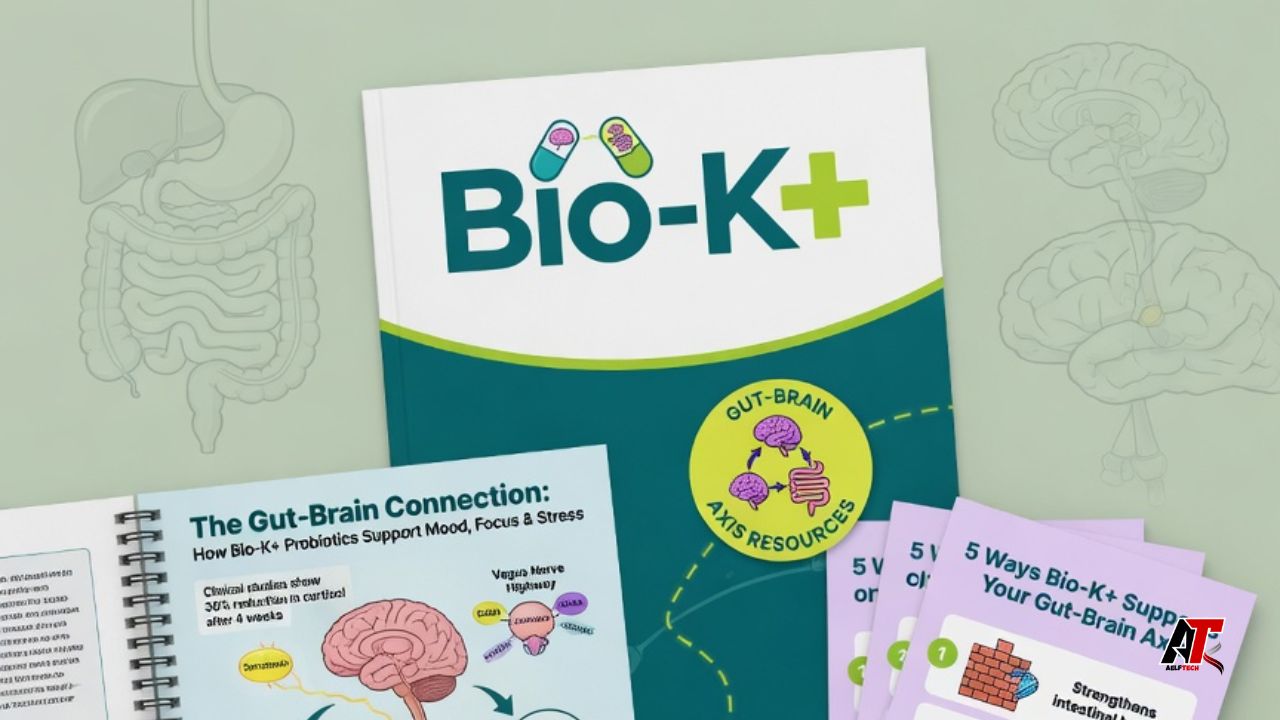
Interest in digestive health has grown significantly as research continues to examine the relationship between the gut and the brain. Scientists are studying how the gut microbiome, nervous system, and immune system interact in ways that may influence overall health. Bio-K+’s gut-brain connection resources aim to provide educational information about this evolving area of research, helping readers better understand the gut-brain axis and the importance of maintaining digestive health as part of a balanced lifestyle.
What Is the Gut-Brain Connection?
The gut-brain connection refers to the ongoing communication between the gastrointestinal tract and the brain. This communication occurs through multiple biological pathways, including the nervous system, hormones, immune signaling, and the gut microbiome.
Rather than functioning independently, the digestive system and brain continuously exchange information that helps regulate various bodily processes.
Researchers continue to investigate how these interactions influence overall health.
Understanding the Gut Microbiome
The gut microbiome consists of trillions of microorganisms, including bacteria, fungi, and other microbes that naturally live in the digestive tract.
The microbiome plays a role in several normal bodily functions, including:
- Digestion
- Nutrient metabolism
- Immune system function
- Production of certain vitamins
- Maintenance of the intestinal barrier
A diverse and balanced microbiome is generally considered an important part of digestive health.
How the Gut and Brain Communicate
Communication between the gut and brain occurs through several interconnected systems.
The Vagus Nerve
The vagus nerve is one of the primary communication pathways between the digestive system and the brain.
It helps transmit signals in both directions, supporting normal digestive and neurological functions.
Hormonal Signaling
Hormones released by the digestive system help regulate appetite, digestion, and other physiological processes.
Immune System Interaction
The digestive tract contains a large portion of the body’s immune cells, creating ongoing communication between immune activity and other body systems.
Microbial Activity
Gut microorganisms produce various compounds that researchers continue to study for their potential role in gut-brain communication.
Why Gut Health Matters
Supporting digestive health contributes to overall well-being.
Healthy digestive habits may help maintain:
- Normal digestion
- Nutrient absorption
- Microbiome diversity
- Immune function
- Gastrointestinal comfort
Individual health outcomes depend on many factors, including diet, lifestyle, genetics, and underlying medical conditions.
Bio-K+’s Educational Resources
Bio-K+ provides educational resources focused on digestive health and the gut microbiome. These resources may include articles, scientific summaries, wellness information, and educational content designed to help readers understand current research.
Topics may include:
- The gut microbiome
- Digestive wellness
- Probiotics
- Gut-brain communication
- Healthy lifestyle habits
- Scientific developments
Readers should consult the official Bio-K+ website for the latest educational materials and product information.
The Role of Probiotics
Probiotics are live microorganisms that, when consumed in adequate amounts, may provide health benefits for certain individuals, depending on the specific strain and the available scientific evidence.
Different probiotic strains have different characteristics, and research findings cannot be generalized across all products.
Consumers should review product information carefully and consult healthcare professionals when appropriate.
Supporting Gut Health Through Lifestyle
Digestive wellness is influenced by multiple lifestyle factors.
Helpful habits include:
- Eating a balanced diet rich in fiber
- Staying hydrated
- Exercising regularly
- Managing stress
- Getting adequate sleep
- Following medical advice for digestive conditions
No single food or supplement can replace an overall healthy lifestyle.
Nutrition and the Gut Microbiome
Diet is one of the primary factors influencing the gut microbiome.
Foods commonly associated with supporting digestive health include:
- Fruits
- Vegetables
- Whole grains
- Legumes
- Fermented foods
- Nuts
- Seeds
Individual dietary needs vary and should be discussed with a healthcare professional when necessary.
Current Research on the Gut-Brain Axis
Research into the gut-brain axis continues to evolve.
Scientists are studying potential relationships between the gut microbiome and areas such as:
- Digestive health
- Immune function
- Metabolism
- Neurological processes
- Overall well-being
While this field shows promise, many areas remain under investigation, and more research is needed to better understand these complex interactions.
Choosing Reliable Health Information
When reading about digestive health:
- Use reputable educational resources.
- Review information from qualified healthcare organizations.
- Distinguish between emerging research and established clinical evidence.
- Consult healthcare professionals for personalized medical advice.
Scientific understanding develops over time as new research becomes available.
Frequently Asked Questions
What is the gut-brain connection?
The gut-brain connection refers to the communication between the digestive system and the brain through neural, hormonal, immune, and microbial pathways.
What are Bio-K+’s gut-brain connection resources?
Bio-K+ provides educational materials that explain current research related to digestive health, the gut microbiome, probiotics, and the gut-brain axis. Available resources may change over time.
Do probiotics affect the gut-brain connection?
Researchers are studying how specific probiotic strains may influence the gut-brain axis. However, effects vary by strain and condition, and more research is needed in many areas.
How can I support digestive health?
A balanced diet, regular physical activity, adequate sleep, stress management, and following advice from qualified healthcare professionals all contribute to digestive wellness.
Should I take probiotics?
Whether probiotics are appropriate depends on your individual health needs and the specific probiotic strain. Consult a healthcare professional before starting any supplement, especially if you have underlying medical conditions.
Conclusion
Bio-K+’s gut-brain connection resources provide educational information about the growing body of research exploring the relationship between digestive health and overall well-being. As scientists continue to investigate the complex interactions between the gut microbiome, nervous system, and immune system, understanding the basics of the gut-brain axis can help individuals make informed choices about healthy lifestyle habits. While research in this area continues to evolve, maintaining a balanced diet, supporting digestive health, and consulting qualified healthcare professionals remain important steps toward overall wellness.
Leave a Reply