
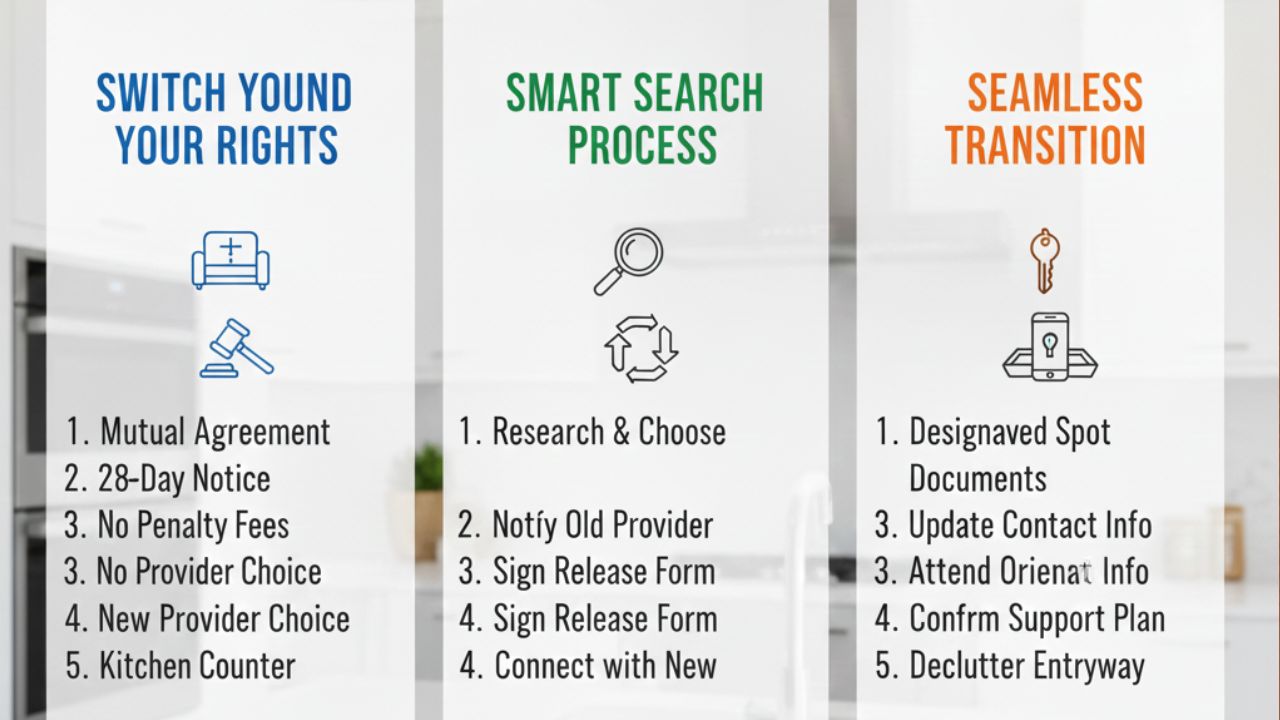
If you’re receiving employment services and wondering how to change job provider, it’s important to know the correct steps to make the process smooth. Changing your job provider can help you find better support, access new opportunities, or simply switch to a provider that better suits your needs.
This guide will explain the process, requirements, and tips to make changing your job provider straightforward and hassle-free.
Understand Your Current Job Provider Agreement
Before switching, review your current agreement with your job provider. Key points to check:
- Your rights to change providers
- Any notice periods required
- Services you are currently receiving
- Any outstanding obligations
Understanding your current arrangement ensures a smooth transition to a new provider.
Know Your Reasons for Changing
Common reasons people change job providers include:
- Better support services or career advice
- More suitable programs or job opportunities
- Issues with communication or responsiveness
- Relocation or convenience
Having clear reasons helps you explain your situation to both your current and new providers.
Contact Your Current Job Provider
It’s often best to notify your current job provider of your intent to change:
- Be polite and professional
- Explain your reasons briefly
- Confirm any notice requirements or next steps
Most providers will support your decision as long as you follow their process.
Find a New Job Provider
Before finalizing the switch, research and select a new job provider. Consider:
- Services offered
- Location and accessibility
- Reputation and reviews
- Compatibility with your employment goals
You can compare providers online or contact local employment services for recommendations.
Notify Relevant Government Agencies (if applicable)
In many countries, your job provider is linked to government employment programs. For example:
- In Australia, this might involve notifying Centrelink if you are on JobSeeker or other support programs.
- Update your records to ensure continuous support and avoid disruptions.
Check the requirements specific to your region to make sure your transition is smooth.
Step-by-Step Process to Change Job Provider
Step 1: Check Eligibility
Make sure you are eligible to switch providers based on your current program or contract.
Step 2: Choose a New Provider
Research and select a provider that meets your needs.
Step 3: Submit Change Request
- Fill out any required forms
- Provide personal and employment details
- Specify the effective date for the switch
Step 4: Confirm Acceptance
Wait for confirmation from your new provider before discontinuing services with the old provider.
Step 5: Transfer Records
Ensure your new provider receives necessary documents, progress reports, and any relevant history.
Tips for a Smooth Transition
- Plan ahead: Avoid gaps in support services
- Keep records: Maintain copies of all forms and communications
- Communicate clearly: Notify both providers politely and professionally
- Check benefits: Make sure your entitlements or programs continue without interruption
Following these tips can save you time and stress during the process.
Common Mistakes to Avoid
- Not confirming the switch with the new provider first
- Forgetting to notify government agencies (if applicable)
- Leaving gaps in support services
- Ignoring notice periods or contract obligations
Avoiding these mistakes ensures a seamless transition.
Final Thoughts
Learning how to change job provider is straightforward if you follow the correct steps: review your current agreement, find a suitable new provider, submit the request, and notify relevant authorities.
By planning carefully and communicating clearly, you can continue to receive employment support, access better services, and stay on track with your career goals. Changing providers doesn’t have to be stressful—it can be a positive step toward better opportunities and professional growth.
Leave a Reply