
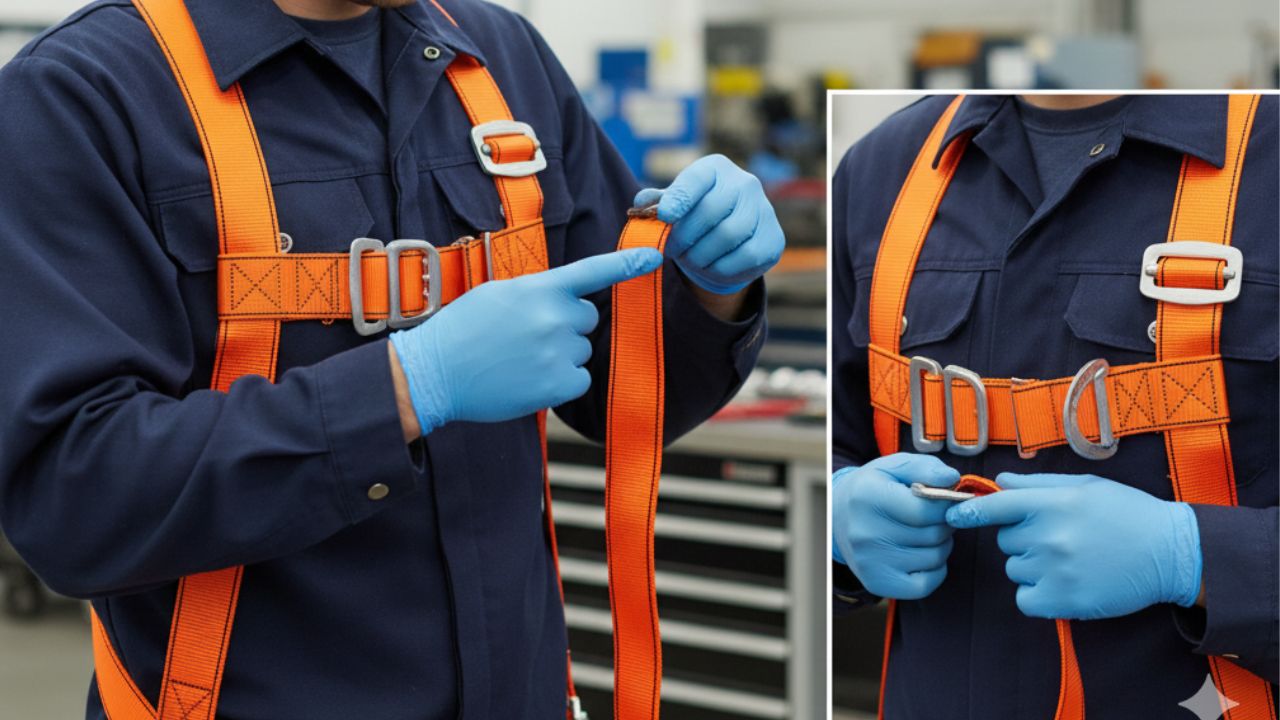
Harnesses are essential for safety in workplaces, climbing, rescue operations, and recreational activities. Knowing how often harnesses need to be inspected is crucial to prevent accidents and ensure the equipment works when you need it most.
Regular inspections help spot wear, damage, or defects before they become dangerous. This guide breaks down the process in simple, easy-to-follow steps.
Why Inspect Harnesses?
Harnesses hold your full weight during falls. A failure can be life-threatening. Regular inspections help:
- Identify frayed straps, worn stitching, or damaged hardware
- Prevent accidents caused by unnoticed wear and tear
- Ensure compliance with safety regulations
- Give confidence to users that their equipment is reliable
Pre-Use Inspections: Check Before Every Use
Every harness should be inspected before each use. A quick visual and physical check can prevent accidents.
Look for:
- Cuts, frays, or tears in webbing or straps
- Loose or damaged stitching
- Bent, cracked, or rusted buckles and D-rings
- Signs of chemical exposure, mildew, or UV damage
A pre-use inspection is quick but essential. Don’t skip it.
Periodic Inspections: Schedule Professional Checks
In addition to pre-use checks, harnesses require formal inspections at regular intervals:
- Industrial or frequent use: Every 6 months
- Recreational use: Annually
A trained inspector should carefully check every strap, buckle, and stitch. Some defects aren’t visible during a simple pre-use check.
Inspect After Any Incident
If a harness is involved in a fall or heavy impact, inspect it immediately. Even if there’s no visible damage, the harness may have absorbed forces that compromise its strength. If in doubt, retire and replace the harness.
How to Inspect a Harness Properly
Steps for a thorough inspection:
- Visual check: Look at webbing, stitching, and hardware for damage.
- Test hardware: Move buckles and D-rings to ensure smooth operation.
- Check labels: Ensure the harness is within its manufacturer-recommended lifespan.
- Clean if needed: Remove dirt, grease, or chemicals.
- Document the inspection: For workplaces, record the date, inspector, and any findings.
Signs It’s Time to Retire a Harness
Even with regular inspections, harnesses should be replaced if you notice:
- Frayed or cut webbing
- Corroded or damaged metal parts
- Torn or loose stitching
- Mold, chemical damage, or excessive wear
- Failure to pass inspection tests
Never risk using a compromised harness. Safety comes first.
Tips to Extend Harness Life
- Store in a cool, dry place away from sunlight or chemicals
- Clean with mild soap and water only
- Avoid dragging or exposing the harness to sharp edges
- Rotate harnesses for heavy-use environments to reduce wear
Good storage and care complement inspections, keeping the harness safe longer.
Regulatory Guidelines
- OSHA: Pre-use checks and periodic inspections by a competent person
- ANSI: Formal inspections at least annually
- UIAA (for climbing): Inspect before each use and after any fall or heavy impact
Following these guidelines keeps you compliant and safe.
Final Thoughts
Knowing how often harnesses need to be inspected is crucial for safety. Always perform pre-use checks, schedule regular inspections, and check after any incident. Combine inspections with proper storage and care, and your harness will stay reliable, extending its life while keeping users safe.
Leave a Reply