
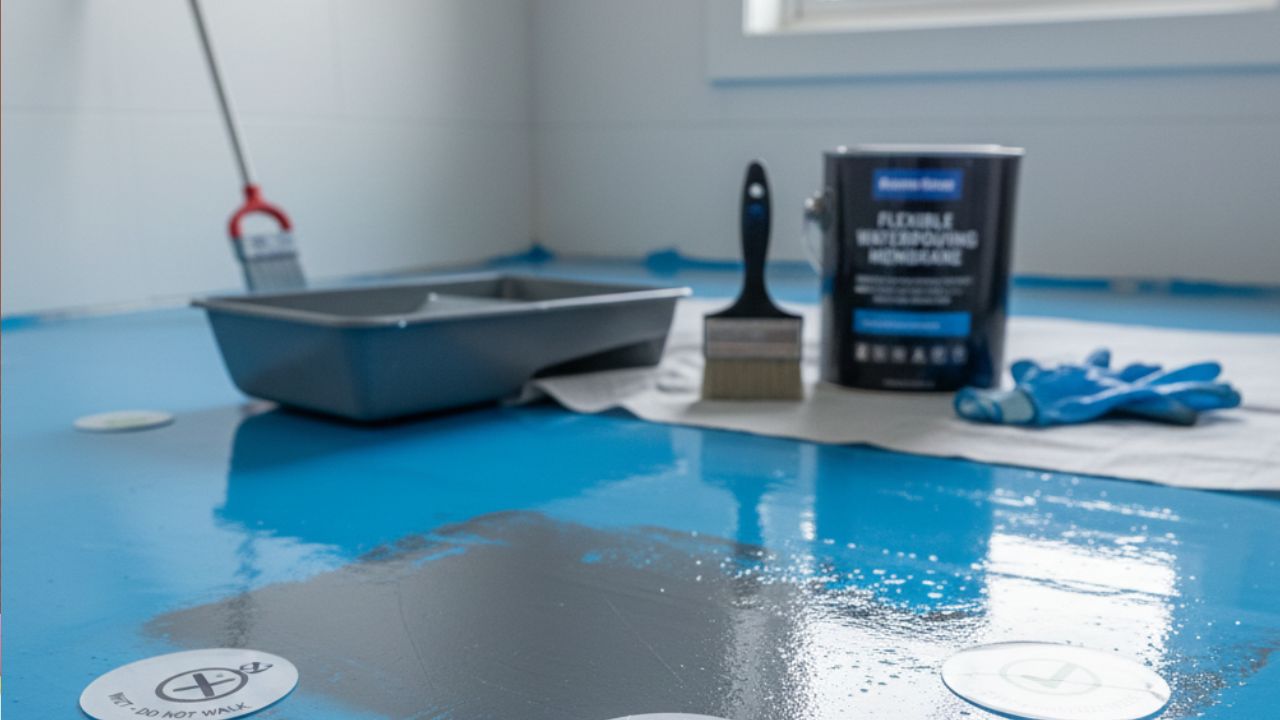
Bathroom waterproofing is a critical step to prevent water damage, mold, and structural issues in your home. If you’re renovating or building a new bathroom, one of the most common questions is: how long does bathroom waterproofing take to dry?
The answer depends on the type of waterproofing material used, environmental conditions like temperature and humidity, and the thickness of the applied layer. Ensuring the waterproofing dries properly is essential before tiling or using the bathroom.
Why Proper Drying Is Important
Waterproofing creates a barrier that prevents water from seeping into floors and walls. If it is not fully dry or cured:
- The layer may fail or peel over time.
- Tiles may not adhere properly.
- Water damage and mold can occur.
- Repair costs increase significantly.
Correct drying times ensure your bathroom remains leak-proof and durable.
Types of Waterproofing and Typical Drying Times
Different waterproofing methods have varying drying and curing requirements:
1. Liquid Waterproofing Membranes
- Dry to touch: 4–8 hours
- Fully cured: 24–48 hours under ideal conditions
- Thick or multiple layers may require up to 72 hours to fully cure
2. Cementitious (Cement-Based) Waterproofing
- Dry to touch: 24–48 hours
- Fully cured and tile-ready: 48–72 hours, depending on thickness and environment
3. Sheet Membranes
- Drying time is minimal since the membrane relies on adhesive
- Seams and joints may require additional curing time according to product instructions
Knowing the material type helps you plan the project effectively.
Factors That Affect Drying Time
Several conditions influence how long bathroom waterproofing takes to dry:
- Temperature: Warm conditions accelerate drying; cold slows it down.
- Humidity: High humidity slows evaporation; dry air helps speed up curing.
- Ventilation: Good airflow improves drying efficiency.
- Layer Thickness: Thicker layers take longer to dry completely.
- Substrate Condition: The surface must be dry; damp bases prolong curing and may reduce adhesion.
Adjusting these factors ensures efficient and effective waterproofing.
Best Practices for Faster and Proper Drying
- Ensure the bathroom is well-ventilated using windows or fans.
- Maintain a consistent temperature around 20–25°C.
- Apply multiple thin coats rather than a single thick layer.
- Wait the recommended time between coats.
- Avoid walking on or wetting the waterproofed surface until fully cured.
These practices protect your investment and improve the longevity of your waterproofing.
Signs That Waterproofing Is Ready
Before proceeding with tiling or further work, check that your waterproofing is fully ready:
- The surface is dry and firm with no tackiness.
- Color and texture are uniform, with no wet patches.
- Manufacturer-recommended curing time has passed.
If uncertain, it’s safer to wait an extra day. Proper drying prevents leaks and ensures the waterproofing performs well over time.
Typical Timeline Summary
| Waterproofing Type | Dry to Touch | Fully Cured / Ready for Tiling |
|---|---|---|
| Liquid Membrane | 4–8 hours | 24–48 hours (up to 72 hours for thick coats) |
| Cementitious Waterproofing | 24–48 hours | 48–72 hours |
| Sheet Membrane | Minimal drying | Immediately after adhesive/sealant sets |
For most small bathrooms, planning 2–3 days from application to tiling ensures proper drying and curing.
Final Thoughts
Understanding how long bathroom waterproofing takes to dry is crucial for a successful bathroom renovation. Drying times vary by material, environment, and application thickness, but following best practices ensures a strong, leak-free layer.
Patience during the drying and curing stage prevents future water damage, mold growth, and costly repairs. By waiting the recommended time and monitoring conditions carefully, you can achieve a professional-quality waterproofing job that lasts for years.
Leave a Reply