Managing employee information efficiently is an important part of running a successful business. As companies grow, human resources departments have to handle more responsibilities, including maintaining employee records, managing payroll information, tracking attendance, organizing recruitment, and supporting staff development. Without proper organization, these tasks can become time-consuming and difficult to manage.
The Importance of Organized Employee Data
Many businesses still rely on spreadsheets, emails, and separate documents to store employee information. Although these methods may work for smaller teams, they can create challenges as the workforce expands. Important details may be duplicated, documents can become difficult to find, and updating information across multiple platforms increases the risk of mistakes.
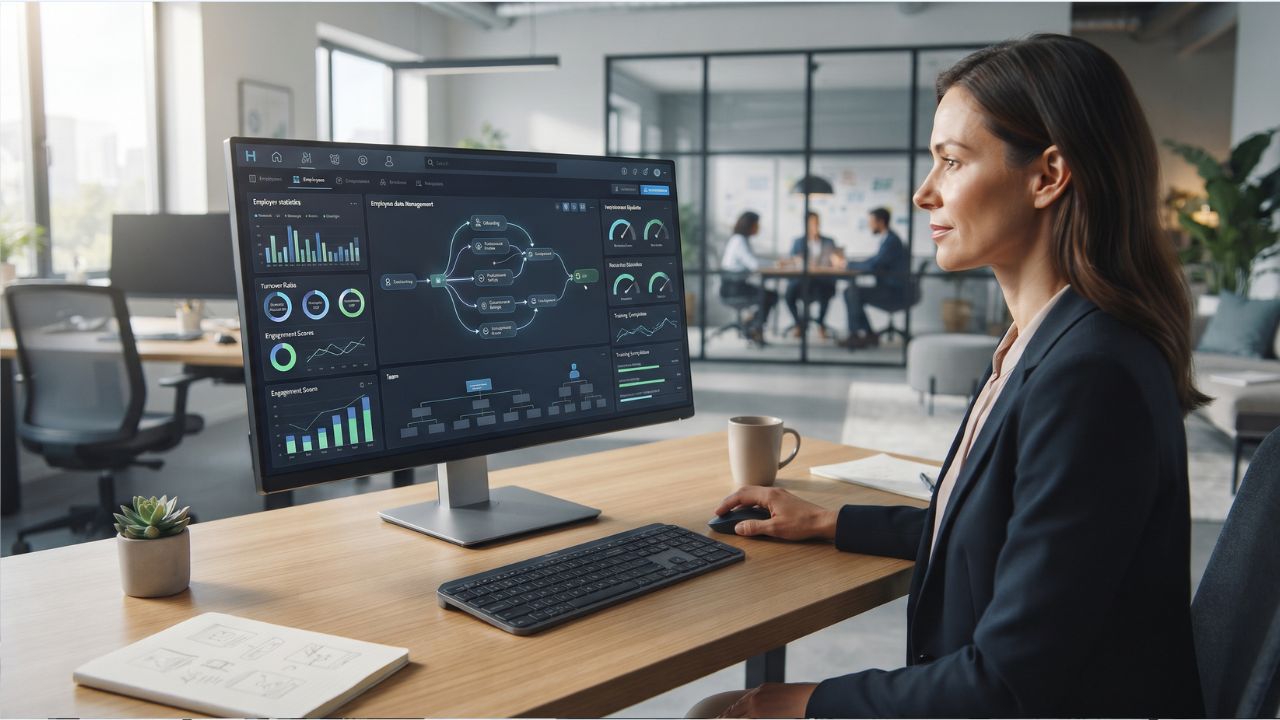
One way to overcome these challenges is to centralize employee information. Businesses can use digital tools to keep employee records, contracts, attendance details, and other important documents organized in one place. A hris system can help HR departments manage workforce information more efficiently and reduce the time spent on routine administrative activities.
Simplifying Everyday HR Tasks
HR professionals regularly send reminders, collect employee documents, process leave requests, and prepare onboarding materials. Automating some of these activities can save time and reduce unnecessary paperwork. It also allows HR teams to focus on more important responsibilities, such as employee engagement and professional development.
Businesses can also introduce standardized procedures for common activities. When employees understand how to submit requests and where to find relevant information, everyday HR operations become easier to manage.
Improving Communication and Onboarding
Communication is equally important when improving HR processes. Employees should understand how to request time off, update their personal information, access company policies, and contact the HR department when they need assistance. Clear procedures prevent misunderstandings between employees and management.
Businesses should also pay attention to recruitment and onboarding. A well-organized hiring process helps HR teams track applications, communicate with candidates, and manage important documentation. Once a new employee joins the company, providing clear instructions, necessary resources, and appropriate training can make their transition much smoother.
Protecting Employee Information
Personnel records often contain confidential details, so companies need appropriate security measures. Restricting access to sensitive documents, using strong passwords, and maintaining secure backups can help reduce the risk of unauthorized access or data loss.
Businesses should regularly review their data management practices to ensure that employee information remains accurate, protected, and accessible only to authorized individuals.
Using HR Data to Make Better Decisions
Organized HR information can help businesses make better decisions. By reviewing employee turnover, attendance, recruitment results, and training participation, managers can identify areas that need improvement.
These insights can support better workforce planning and help organizations understand their employees’ needs. Rather than relying entirely on assumptions, companies can use relevant information to make more informed decisions about their teams.
Conclusion
Streamlining HR operations does not always require major changes. Businesses can start by organizing employee records, improving internal communication, and reducing repetitive administrative work. With consistent processes and suitable digital tools, HR departments can work more efficiently, support employees more effectively, and contribute to the company’s long-term growth.
Leave a Reply