
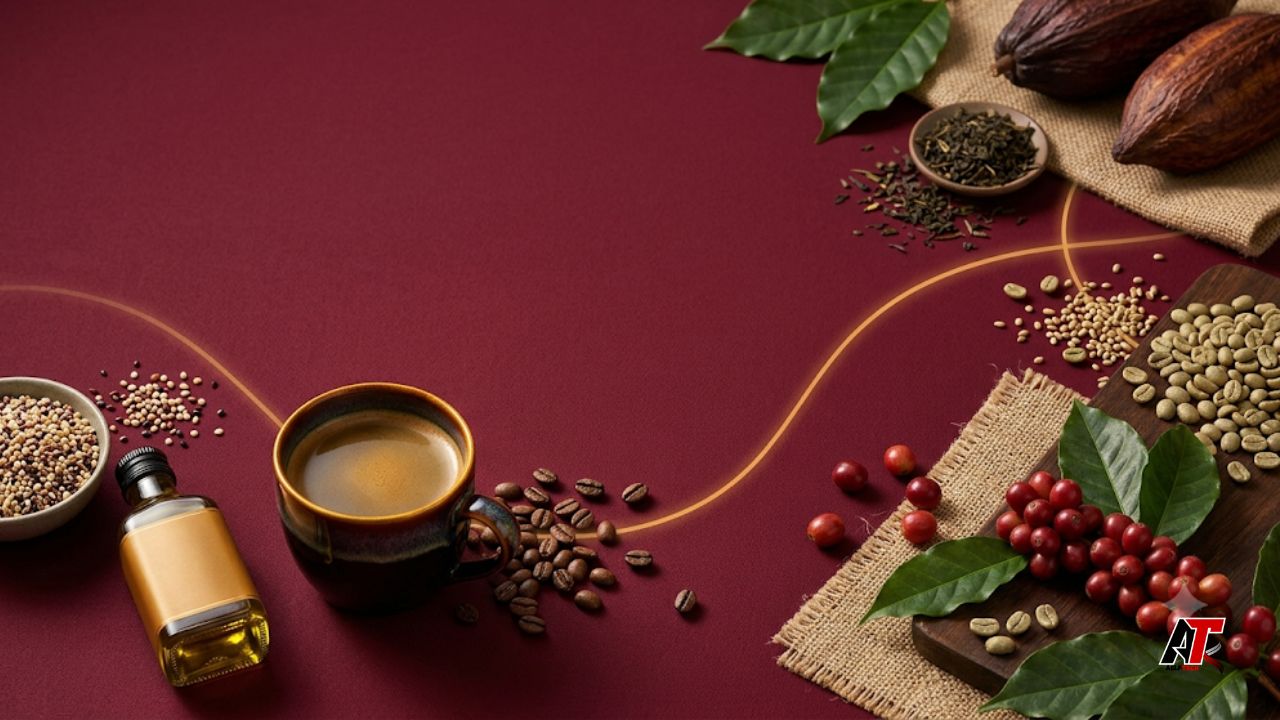
Taste used to be treated as a simple personal preference. People liked a product, disliked it, or chose whatever was familiar. That view no longer explains how modern consumers make decisions. Today, taste is shaped by origin, freshness, production methods, transparency, ethics, and the story behind an ingredient. A cup of coffee, a bar of chocolate, a bottle of olive oil, or a loaf of bread is judged not only by its immediate flavor but also by the choices that brought it to the table.
This shift explains why quality sourcing matters so much. Sourcing determines the raw material a producer starts with, the conditions under which it was grown or made, the care used during processing, and the amount of information available to the buyer. Good technique can protect a quality ingredient, but it cannot fully rescue a poor one. A skilled roaster cannot create distinctive flavor from damaged coffee beans, just as a chef cannot produce a vibrant tomato dish from fruit that was picked too early and stored badly.
Modern taste is therefore becoming more informed. Consumers still want pleasure and convenience, but many also want consistency, traceability, and confidence. Businesses that understand this change can build stronger products and more credible brands. Those that ignore it may continue selling, yet they will struggle to explain why their product deserves attention in a crowded market.
Modern Taste Has Moved Beyond Familiar Flavor
For much of the twentieth century, large-scale food and beverage brands won loyalty through uniformity. A product was considered reliable when it tasted the same in every shop and every city. That consistency still has value, but it is no longer the only measure of quality. Consumers now encounter regional ingredients, small-batch products, international cuisines, craft production, and detailed product education through cafés, restaurants, social platforms, and online retailers.
As exposure grows, expectations become more specific. People learn to notice acidity in coffee, fermentation in bread, harvest dates on olive oil, cacao percentages in chocolate, or the difference between naturally ripened and artificially flavored fruit. They begin asking where an ingredient came from and why one version tastes cleaner, sweeter, deeper, or more balanced than another.
What Quality Sourcing Actually Means
Quality sourcing is not the same as buying the most expensive ingredient. It is a disciplined process for selecting materials that are suitable, traceable, well handled, and consistent with the final product. The best source depends on the purpose. A delicate filter coffee requires a different green bean profile from a dark espresso blend. A bakery may value flour strength and consistency, while a restaurant may prioritize seasonal character in produce.
A strong sourcing decision usually considers origin, variety, harvest conditions, processing, storage, transport, freshness, supplier reliability, and verifiable standards. It also asks whether the producer receives enough value to keep delivering quality. When a supplier is forced to cut costs at every stage, the damage eventually appears in the product through defects, inconsistency, delayed shipments, or declining availability.
Origin Creates the Foundation of Flavor
Every ingredient begins in a particular environment. Soil, altitude, rainfall, temperature, plant variety, animal feed, and local production knowledge can all affect taste. These factors do not work as a simple guarantee—an impressive origin name alone cannot compensate for careless harvesting or poor storage—but they establish the ingredient’s potential.
Coffee offers a clear example. Beans grown at different elevations and in different climates can develop noticeably different flavor characteristics. Processing methods such as washed, natural, or honey processing can further change sweetness, fruit intensity, clarity, and body. Similar patterns appear elsewhere. Grapes reflect climate and vineyard conditions. Cacao changes by genetics, fermentation, and drying. Tea responds to cultivar, elevation, plucking standard, oxidation, and firing. Even salt varies in texture and mineral character depending on how it is collected and refined.
Handling and Freshness Can Protect or Destroy Quality
A well-grown ingredient can lose much of its value after harvest. Heat, moisture, oxygen, light, contamination, rough transport, and long storage can flatten flavor or create defects. This is why quality sourcing does not end when a purchase order is signed. It includes the entire route from producer to warehouse, factory, shop, and customer.
Coffee must be dried correctly, stored at safe moisture levels, protected during shipping, roasted with control, and packaged to limit staling. Spices lose volatile aromas when they are ground too early or stored in warm, open conditions. Olive oil is vulnerable to heat, oxygen, and light. Fresh produce can be bruised or chilled incorrectly. Chocolate can absorb odors and suffer texture problems when temperature changes are poorly managed.
Specialty Coffee Shows the Value of Careful Sourcing
The growth of specialty coffee demonstrates how sourcing can change an everyday product. Instead of treating all beans as a uniform commodity, specialty businesses evaluate distinctive attributes, origin information, processing choices, roast development, and brewing performance. The result is a market where customers can compare not only brands but also farms, regions, varieties, and flavor profiles.
Exploring thoughtfully sourced specialty coffee helps consumers understand this difference in a practical way. The value is not limited to rare tasting notes or expensive equipment. It can appear in simple improvements: cleaner flavor, natural sweetness, balanced acidity, a pleasant finish, or more consistency from one brew to the next. These qualities begin before roasting. Selective picking, careful processing, proper drying, defect removal, responsible storage, and transparent purchasing all contribute.
Traceability Builds Trust in a Skeptical Market
Modern customers are surrounded by marketing claims. As a result, trust is harder to earn through attractive packaging alone. Traceability gives a brand something more useful: evidence. It shows that a business knows where its ingredients came from, how they were processed, and which standards were applied.
Traceability can be detailed without becoming performative. A coffee label may identify a region, producer group, process, and roast date. A chocolate maker may name the cacao origin and percentage. A restaurant may highlight a seasonal farm partner. A skincare brand may document the grade and source of a botanical oil. The level of detail should match what the business can verify.
Better Sourcing Supports Producers and Long-Term Supply
Quality cannot be separated from the people who produce it. Skilled harvesting, sorting, fermentation, drying, storage, and processing require time, labor, knowledge, and investment. When buyers focus only on the lowest possible price, producers may have little reason—or little financial ability—to maintain those practices.
A quality-led relationship creates a different incentive. Buyers can define standards clearly, pay according to measurable value, offer multi-season commitments, share feedback, and support improvements that benefit both sides. This does not automatically solve every social or economic problem in a supply chain, but it is more constructive than demanding premium results while paying commodity-level prices.
Quality Sourcing Is a Business Advantage, Not Just a Moral Statement
Responsible sourcing is often discussed as an ethical obligation, but it also has direct commercial value. Better raw materials can improve flavor, reduce defects, support premium positioning, and make product development more distinctive. Clear sourcing stories give marketing teams real substance instead of vague lifestyle language.
Consistency is another advantage. Customers return when a product reliably meets expectations. That reliability depends on specifications, supplier communication, incoming quality checks, and good inventory practices. A business that understands its sources can respond to seasonal changes without pretending that every batch is identical. It can adjust blends, recipes, or product descriptions honestly.
Sustainability Claims Must Be Connected to Evidence
Sustainability has become part of modern taste because many consumers consider environmental and social impact when judging quality. However, broad green claims can quickly create distrust. Saying that a product is eco-friendly means little unless the company explains which practices, standards, measurements, or certifications support that statement.
Evidence may include farm-level traceability, soil and water practices, shade management, reduced chemical use, verified labor requirements, recyclable packaging, lower-waste production, or supplier development programs. Not every product will have every feature. Honest communication should distinguish between what has already been achieved and what remains a goal.
How Consumers Can Recognize Thoughtful Sourcing
Consumers do not need professional training to make better choices. A few practical questions can reveal whether a product is supported by meaningful sourcing. Is the origin specific or vague? Does the company provide harvest, roast, production, or best-use information? Are flavor descriptions clear and believable? Does the business explain how the ingredient was processed? Are sustainability claims supported by details?
Price should be considered, but it should not be the only signal. High price can reflect rarity, careful production, limited volume, skilled labor, better packaging, or strong producer payments. It can also reflect branding. The useful question is whether the company explains the value in a way that can be understood and verified.
Common Misconceptions About Quality Sourcing
One misconception is that local always means better. Local sourcing can reduce distance, support nearby producers, and improve freshness, but quality still depends on the ingredient and how it is handled. Another misconception is that imported products are automatically more refined. Distance and prestige do not guarantee good processing, ethical practices, or proper storage.
People also confuse darker, stronger, or more intense flavor with higher quality. In coffee, heavy roasting can create a familiar bold profile, but it may also cover origin character or defects. In other foods, excessive sweetness, salt, smoke, or artificial flavor can create impact without balance. Quality is better judged through cleanliness, structure, freshness, suitability, and the absence of unwanted defects.
The Future of Taste Will Be More Transparent and Personal
The next stage of modern taste will combine technology with deeper product knowledge. Digital traceability tools, better inventory systems, QR-based information, sensory data, and direct producer communication can make supply chains easier to understand. At the same time, recommendation tools may help consumers choose products based on their actual preferences rather than broad labels such as premium or gourmet.
Climate change will make sourcing more difficult and more important. Growing regions may face heat, irregular rainfall, new pests, and changing harvest patterns. Businesses will need diversified supplier relationships, adaptable specifications, and closer collaboration with producers. Quality may depend increasingly on resilience as well as flavor.
Conclusion
The evolution of modern taste is not a passing preference for expensive or unusual products. It reflects a broader desire to understand quality. Consumers want flavor, but they also value freshness, origin, consistency, transparency, and responsible production. These expectations explain why quality sourcing matters across coffee, food, beverages, cosmetics, and other ingredient-led categories.
Strong sourcing begins with clear standards and continues through handling, storage, production, and communication. It respects the potential of the raw material and the work required to preserve it. It also gives businesses a practical advantage: better products, stronger trust, more useful marketing, and more stable supplier relationships.
Frequently Asked Questions
Why does quality sourcing matter to taste?
Quality sourcing influences the ingredient’s origin, freshness, processing, defect level, and storage history. These factors shape flavor before a chef, roaster, manufacturer, or retailer begins working with the product.
Does quality sourcing always make a product more expensive?
Often it costs more because careful production, selection, traceability, and fairer supplier relationships require investment. However, better forecasting, lower waste, improved consistency, and stronger customer loyalty can offset part of that cost.
Is specialty coffee only for coffee experts?
No. Specialty coffee can be enjoyed by anyone who values freshness, clean flavor, and clear product information. Customers do not need technical vocabulary to notice that one cup is sweeter, smoother, or more balanced than another.
How can a small business improve its sourcing?
Start with a short written specification, request samples, ask suppliers for origin and handling details, test incoming batches, track customer feedback, and build relationships with suppliers who communicate consistently.
What is the difference between traceability and sustainability?
Traceability shows where a product came from and how it moved through the supply chain. Sustainability concerns environmental, social, and economic practices. Traceability can support sustainability claims, but it does not prove them by itself.
Leave a Reply