
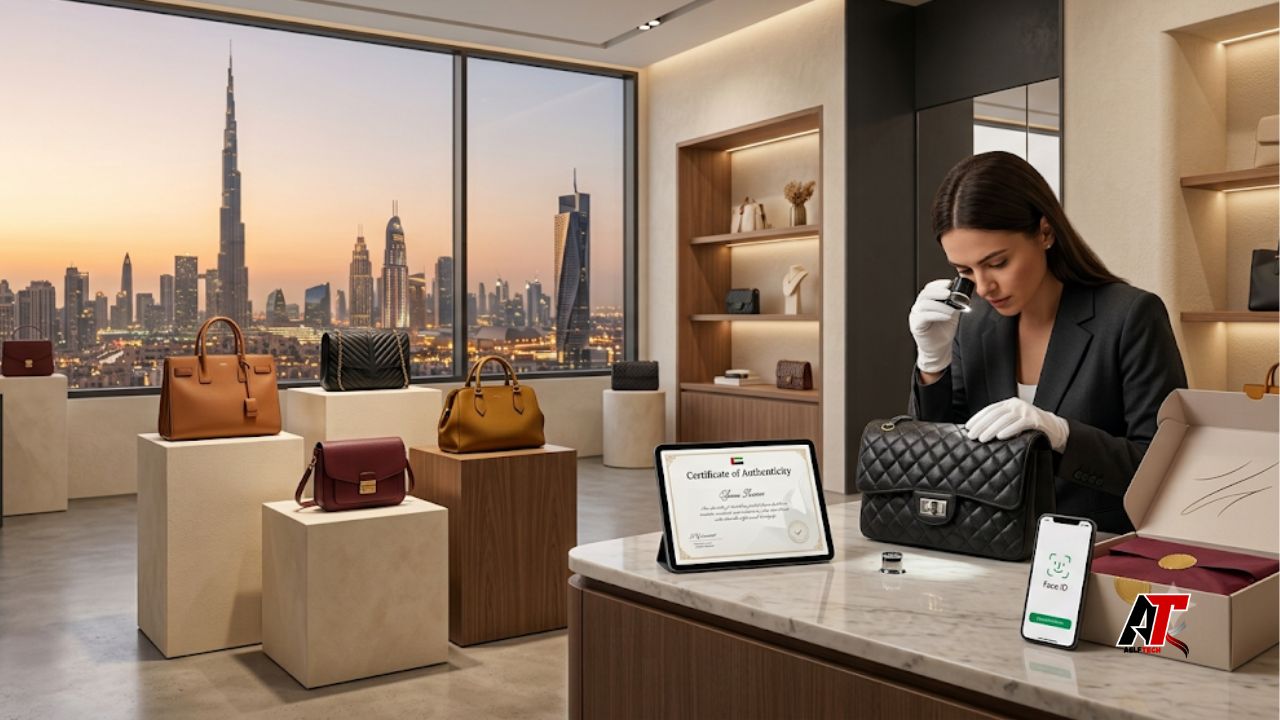
Buying a pre-owned designer handbag can be exciting and financially sensible. In addition, UAE buyers can find classic models, rare colors, and discontinued pieces. Sellers can also turn an unused bag into cash. However, luxury resale carries risks that normal second-hand shopping does not.
Counterfeits can look convincing, and small condition issues can reduce a bag’s value. In addition, unclear payment or return rules can create costly disputes. Therefore, you should choose a trusted luxury resale bags platform in UAE and check how it protects every transaction.
A stylish website or a large social following does not prove trust. Instead, look for clear business details, strong authentication, accurate listings, secure payments, and written policies. These checks help both buyers and sellers make safer decisions.
What Does a Trusted Luxury Resale Platform Do?
A reliable platform does more than introduce a buyer to a seller. It reduces uncertainty from the first enquiry to the final payout. For buyers, that means proof of authenticity, honest condition details, safe delivery, and a clear solution when something goes wrong.
Sellers need protection too. They should receive a written intake record, fair valuation, clear commission terms, secure handling, and timely payment. Moreover, the platform should explain how it manages returns, damage claims, and possible item swaps.
Luxury resale companies often use marketplace, consignment, direct-buy, or hybrid models. Each model can work well. Still, the company must explain who owns the bag, who holds the money, and when the seller gets paid.
1. Verify the Business Behind the Platform
Start with the company’s legal and operational identity. A credible UAE platform should show its business name, contact details, service location, and transaction policies. It should also make clear which company handles your payment or receives your bag.
Next, compare the details across the website, invoices, maps, social profiles, and payment page. They should match. Also, look for HTTPS and a domain-based email address. A personal bank account or an unrelated payment name should make you pause.
Contact support before you buy or sell. Ask a direct question about authentication, collection, returns, or payout timing. A clear and consistent answer is a positive sign. By contrast, vague replies often reveal weak internal processes.
2. Examine the Authentication Process
Authentication is the main trust feature in luxury resale. Yet the words “100% authentic” are not enough. The platform should explain when it checks the bag, who performs the review, and what happens when experts cannot reach a firm result.
A strong review checks brand-specific details. These can include materials, stitching, hardware, stamps, shape, lining, and construction. Experts may also inspect serial numbers or date codes when the brand uses them. However, no single code should decide the result.
Physical inspection usually gives better protection for an expensive bag. An expert can assess weight, texture, odor, repairs, and replaced parts. These details are difficult to confirm from photos alone. Therefore, ask whether every item receives an in-person check.
Receipts, boxes, dust bags, and cards can support a bag’s history. Still, they do not prove authenticity by themselves. Documents and accessories can be copied or paired with another item. A trusted platform must authenticate the bag itself.
3. Review Photos and Condition Grading
A useful listing makes flaws easy to see. It should show the front, back, base, corners, handles, strap, hardware, interior, stamps, and zippers. It should also show every included accessory. Generic or heavily edited photos provide little protection.
The description should identify scratches, stains, tarnishing, odor, loose threads, glazing wear, shape loss, and restoration. Likewise, it should disclose replaced parts or non-brand repairs. These details affect both value and future servicing options.
Condition labels such as “excellent” or “very good” only help when the platform defines them. Compare the label with the photos. Then request extra images or a short video if a detail remains unclear. Finally, save a copy of the listing before you pay.
4. Compare Pricing, Fees, and Valuation
Luxury bag prices depend on the brand, model, size, color, material, age, rarity, condition, and demand. As a result, two similar-looking bags may have very different values. Compare the exact model and condition rather than the brand name alone.
A price far below the market can signal hidden damage, urgent selling, or a counterfeit. However, a high price does not guarantee quality. Check several comparable listings and, where possible, recent sold prices. This gives you a more realistic range.
Buyers should calculate the full checkout cost. Delivery, insurance, authentication, and cross-border charges may raise the total. Sellers should review commission, cleaning, photography, storage, withdrawal, and discount rules. In addition, they should confirm the expected payout date.
When you compare local providers, you can review Value Creation UAE and study how the business explains its services, categories, and contact routes. Use the same checklist for every platform. Familiar branding should never replace due diligence.
5. Confirm Secure Payments and Seller Payouts
Use only the payment method approved by the platform. A secure checkout should identify the merchant and provide an invoice or order confirmation. Avoid gift cards, cryptocurrency, cash deposits to strangers, or requests to continue the deal through private messages.
In some marketplace models, the platform holds the buyer’s money until authentication or delivery is complete. This process can reduce risk. Even so, read the exact release terms. You should know when the payment becomes final and how a dispute can delay it.
Sellers must also understand the payout process. Some companies pay after authentication, while others wait until the return period ends. Ask how the platform handles buyer claims, parcel damage, item swaps, and missing contents. Strong records protect everyone.
6. Read Returns, Refunds, and Guarantees
Read the return policy before checkout, not after a problem appears. Check the return window, allowed reasons, item condition rules, shipping costs, and refund method. Also, confirm whether the return period starts on the order date, dispatch date, or delivery date.
The policy should cover transit damage, major listing errors, and authenticity concerns. It should also explain the evidence you must provide. For example, the platform may request photos, an unboxing video, or an independent authentication report.
An authenticity guarantee must contain specific terms. Ask how long it lasts and which experts the company accepts. In addition, confirm whether a successful claim covers delivery and authentication costs. Written rules offer more protection than promises made in a chat.
7. Check Shipping, Insurance, and Packaging
High-value bags need tracked and insured shipping. The insurance limit should match the item’s real value. Furthermore, the courier should require a signature, identity check, or one-time delivery code. These steps reduce the chance of loss or false delivery claims.
Good packaging protects the leather, shape, hardware, and accessories. It should also prevent moisture and movement. Tamper-evident seals can strengthen the chain of custody. For that reason, check the seal before you open the parcel.
Record one continuous unboxing video. Show the sealed package, shipping label, wrapping, bag, accessories, and visible condition. If you find a problem, contact the official support channel at once. Keep all packaging until the case ends.
8. Test Privacy, Support, and Reputation
A resale platform may collect your address, identity documents, bank details, and photos of valuable property. Therefore, read its privacy notice. Sensitive documents should go through a controlled process, not an informal chat with an unknown person.
Use a unique password and enable multi-factor authentication when available. Never share your card PIN or a banking one-time code. Similarly, do not open payment links from unexpected messages. Access the platform through its official website instead.
Test customer support with a specific question. Then compare the answer with the published policy. You should also read recent positive, neutral, and negative reviews. Focus on authentication disputes, refund handling, delayed payouts, and support after a problem.
Red Flags That Should Make You Stop
Several warning signs should end the transaction. These include stock photos, copied descriptions, an implausibly low price, and pressure to pay immediately. A seller who refuses extra photos or changes the bank account also creates serious risk.
Other red flags include no return policy, a new social profile with little history, and claims that a receipt alone proves authenticity. Likewise, avoid a platform that cannot explain who holds the bag or the money during the sale.
Do not accept a lower value on the shipping declaration. This can reduce insurance protection and create customs problems. Also, never hand over a bag without a signed intake record. Trusted businesses document every high-value transfer.
How Buyers Should Use the Platform
First, set a complete budget that includes delivery and possible maintenance. Research the exact model, size, material, accessories, and common wear points. Next, shortlist listings with detailed photos and honest condition notes.
Ask all important questions in writing and save the answers. Review the authentication, payment, delivery, and return terms before checkout. Then pay only through the approved channel and keep the invoice.
Inspect the bag as soon as it arrives. Compare its measurements, accessories, serial details, and flaws with the listing. Do not remove return tags, apply leather products, or carry the bag until you feel satisfied.
How Sellers Should Use the Platform
Photograph the bag before collection or drop-off. Capture all sides, existing flaws, serial details, and accessories. Then request an intake receipt that clearly identifies everything you handed over.
Confirm whether the offer is a direct purchase price or an estimated consignment value. The two models have different payment times and risks. Also, ask whether you can approve the listing price and future discounts.
Read the commission schedule carefully. Check who pays for cleaning, repairs, photography, insurance, returns, and storage. Finally, keep the agreement, authentication result, listing, sale notice, and payout statement.
A Quick Trust Checklist
Before you transact, confirm the basics. Is the business identity clear? Does the company explain authentication? Are the photos detailed? Are all fees visible? Is the payment secure? Are shipping and insurance rules clear? Does the return policy cover major problems?
You should also confirm that support uses official channels and answers consistently. Save the listing, messages, invoice, and handover records. If several checks fail, walk away. Missing one deal costs less than a counterfeit or a long payment dispute.
Frequently Asked Questions
Is a receipt enough to prove authenticity?
No. A receipt can support ownership history, but it can be copied or matched with another bag. Experts should examine the item’s construction and brand-specific details.
Should I buy a luxury bag through social media?
Social media can help you discover a seller. However, direct-message deals often lack payment protection and clear dispute rules. A structured platform is usually safer.
Can an authentic bag contain repairs?
Yes. Authentic bags may have repairs or replacement parts. Still, the seller should disclose them because they can affect value, collectability, and future brand servicing.
What is a sensible first resale purchase?
Choose a well-documented item within a comfortable budget. Prefer a platform with clear returns and strong support. Learn the process before buying a rare or extremely expensive piece.
Final Thoughts
Finding a trusted luxury resale bags platform in UAE takes more than choosing an attractive website. Strong platforms reduce risk through verified business details, expert authentication, honest condition reports, secure payments, insured delivery, and written protection.
Your own habits matter just as much. Research the bag, save every record, use official payment channels, and inspect the parcel quickly. Most importantly, raise a concern before the stated deadline.
Luxury resale can offer access to remarkable handbags while keeping quality pieces in use for longer. Treat trust as a process, not a marketing slogan. For more practical guidance on evaluating online services, readers can explore team aelftech.com.
Leave a Reply