
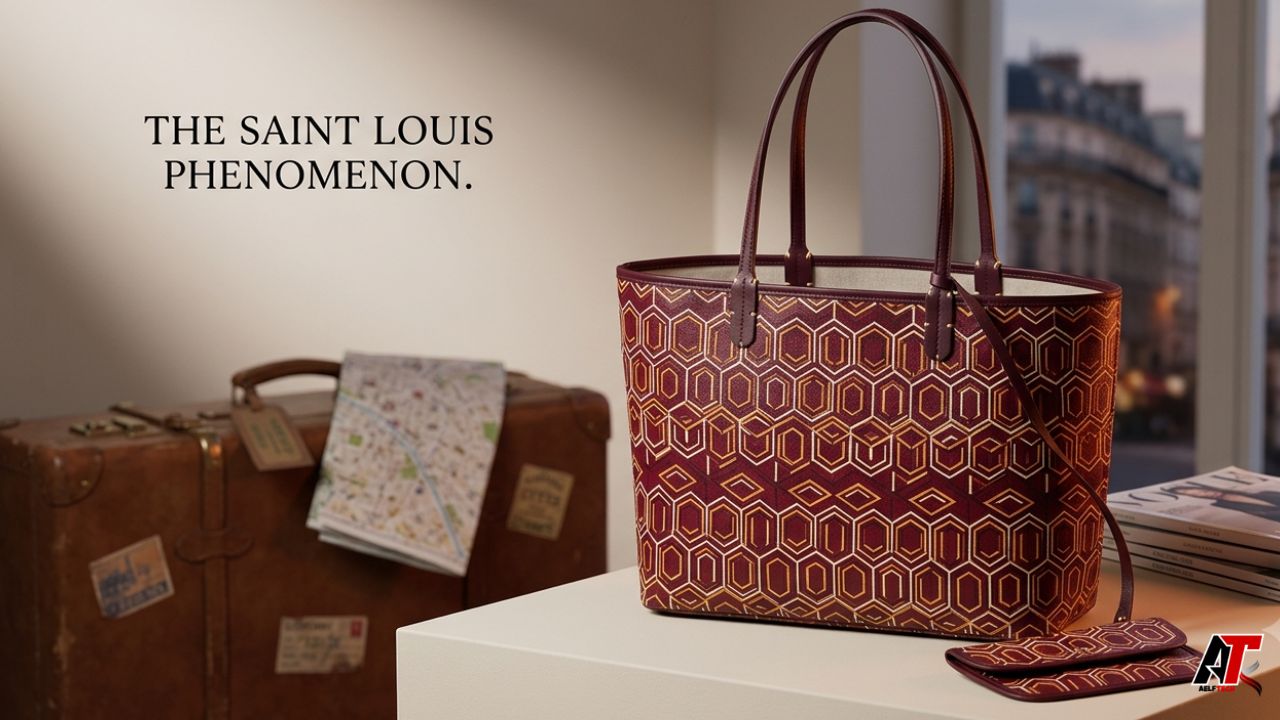
Few accessories illustrate quiet luxury as clearly as the Saint Louis tote. Its relaxed outline, featherlight construction, graphic surface, and effortless practicality have made it instantly recognizable without relying on a rigid, heavily structured silhouette. The bag moves easily between airport lounges, city streets, offices, and weekend errands. That versatility helps explain why it has become a reference point for affordable fashion. Designers and shoppers alike are drawn to the same promise: a spacious tote that feels polished, weighs very little, and works with almost everything in a wardrobe.
The result is a broad market for Goyard Saint Louis tote dupes, but the word “dupe” needs careful handling. A legitimate alternative takes inspiration from general qualities such as capacity, proportion, lightness, or reversibility while maintaining its own branding and visual identity. A counterfeit, by contrast, imitates protected trademarks or presents itself as the original. This guide examines the Saint Louis phenomenon through a brand-safe lens, explaining why the design is influential and how shoppers can identify legal, well-made alternatives without confusing inspiration with imitation.
Why the Saint Louis Tote Became a Modern Icon
The Saint Louis succeeds because its design begins with use rather than ornament. Maison Goyard describes the PM version as unlined, extremely light, reversible, and fitted with a removable interior pocket. The brand also notes that the tote was originally conceived as a beach bag, which helps explain its open shape and unfussy construction. Those details create a product that feels luxurious without becoming precious. It can carry daily necessities, travel items, or casual purchases, yet it still collapses easily when stored. This functional simplicity is difficult to improve, which is why so many contemporary totes echo its broad proportions and flexible body.
Its visual identity is equally important. The chevron-like Goyardine pattern adds movement across a very simple form, while slim leather handles bring definition and contrast. The tote therefore balances two opposing ideas: it looks distinctive from a distance, but it remains easy to style. Monogramming and hand-painted personalization deepen that sense of ownership. Goyard’s official material on marquage emphasizes hand execution by trained painters, reinforcing the bag’s association with craft and individuality. Affordable brands often respond by offering custom initials, contrast trims, geometric prints, or reversible linings—features that capture the emotional appeal without copying protected brand elements.
Why the Design Inspires So Many Fashion Alternatives
A strong dupe usually begins with a problem worth solving, and the Saint Louis solves several at once. Many shoppers want a tote that holds more than a shoulder bag but feels less cumbersome than a structured work satchel. They also want something refined enough for a restaurant, durable enough for travel, and simple enough for everyday use. The Saint Louis formula—wide opening, slim handles, flexible sides, and minimal hardware—answers those needs. Because the architecture is uncomplicated, brands can reinterpret it through different materials, price points, and organizational features while preserving the useful core of the idea.
Social media has accelerated that process by turning recognizable silhouettes into searchable style categories. Shoppers may admire the original while seeking washable fabric, recycled materials, stronger internal organization, a zipper, or a lower price. These preferences create room for genuine product development rather than mere copying. Some alternatives use coated canvas for weather resistance; others choose nylon for travel or pebbled vegan leather for a more structured appearance. The best versions do not pretend to be Goyard. They translate the tote’s convenience into a product with its own logo, print language, packaging, and customer promise.
Dupe Versus Counterfeit: The Difference Matters
In everyday fashion conversations, “dupe” can describe anything from a similar silhouette to a near-identical fake. Legally and ethically, those categories are not the same. The World Intellectual Property Organization explains that trademark counterfeiting involves unauthorized use of a sign that is identical, or essentially indistinguishable, from a registered trademark on related goods or services. A lawful alternative should therefore avoid copied logos, signature brand names, misleading labels, fake authenticity cards, and patterns designed to convince buyers that the product came from the original house. This is general information rather than legal advice, since rules and enforcement vary by jurisdiction.
The distinction also protects the buyer. Goyard states in its official FAQ that its products are sold through authorized boutiques, which is an important point when evaluating claims of authenticity. Counterfeit listings may use carefully cropped photographs, ambiguous phrases, or suspiciously low prices to create uncertainty. Meanwhile, the OECD and EUIPO reported in 2025 that counterfeit and pirated goods represented up to 2.3% of global trade in 2021, showing that fake commerce is not a marginal concern. Choosing a clearly branded, independently designed tote offers greater transparency and reduces the risk of receiving an item that was intentionally misrepresented.
What to Look for in a High-Quality Legal Dupe
Start with material performance rather than surface resemblance. A good everyday tote should feel light when empty, resist sagging under ordinary loads, and wipe clean without losing its finish. Coated cotton, technical nylon, sturdy recycled polyester, and well-finished synthetic leather can all work when the backing, coating, and edge treatment are sound. Inspect product descriptions for fabric composition, care instructions, and weight. Vague terms such as “premium material” reveal little. Honest brands usually explain whether the bag is lined, water resistant, foldable, or reinforced at pressure points. Those details matter more than a decorative print that merely looks expensive in photographs.
Construction deserves equal attention. Check whether the handles are stitched into reinforced panels, whether stress points use bar tacks or additional layers, and whether the base can support the intended load. A smooth top edge, even stitching, secure pocket attachment, and well-finished seams suggest better quality control. If organization matters, seek a removable pouch, zip pocket, key leash, or divider, but remember that every extra feature adds weight. The ideal alternative preserves the Saint Louis spirit of ease while improving the feature that matters most to you—security, structure, sustainability, or organization—without pretending to be the original product.
How Color, Pattern, and Proportion Shape the Look
Color often determines whether an inspired tote feels timeless or trend dependent. Deep burgundy, forest green, navy, tan, and black create a polished effect that pairs easily with neutral wardrobes. Brighter shades can turn the tote into a focal point, especially during spring and travel seasons. For a sophisticated result, look for controlled contrast between the body and handles. The combination should feel intentional rather than busy. A geometric print can add energy, but it should possess its own repeat, scale, and visual rhythm rather than reproducing Goyard’s protected visual identity.
Proportion is more subtle but just as influential. A wide top opening makes packing easier, while a slightly tapered body creates a graceful line when carried. Handle drop determines whether the bag sits comfortably over a coat, and overall depth affects how far it projects from the body in crowded spaces. Before buying, compare the listed measurements with a tote you already own. Mark the dimensions on paper or measure a cardboard rectangle to understand the real size. This simple step prevents the common mistake of choosing a beautiful bag that is too shallow for work or unnecessarily large for everyday errands.
Choosing the Right Alternative for Your Lifestyle
The best choice depends on what the tote must do. Commuters may prefer a secure top closure, padded laptop sleeve, and a base that stands upright. Travelers often benefit from a lightweight foldable body, luggage sleeve, and water-resistant finish. Parents may prioritize washable interiors and broad straps that distribute weight. Minimalists may want the simplest possible design with one removable pouch. Instead of searching only for the closest visual match, rank your needs before comparing products. Capacity, comfort, closure, durability, and care requirements should guide the shortlist.
Budget should be evaluated through cost per use rather than price alone. A very cheap tote can become expensive if weak handles or peeling coatings force an early replacement. Conversely, a mid-priced alternative may deliver excellent value when it uses durable materials, repairable hardware, and transparent warranty terms. Editorial resources on aelftech.com can help readers approach fashion and lifestyle purchases with a more deliberate mindset. The goal is not to buy the cheapest resemblance. It is to choose an independent product that performs reliably, suits your routine, and still feels enjoyable months after the novelty has faded.
How to Style an Inspired Tote Without Looking Overdone
A roomy patterned tote already creates visual interest, so the rest of the outfit can remain calm. Pair a dark geometric tote with straight-leg denim, a crisp white shirt, and loafers for an easy city look. For work, combine a neutral tote with tailored trousers, a fine-knit top, and a structured jacket. During travel, use tonal layers and comfortable shoes, allowing the bag to provide the only strong pattern. The same principle works across seasons: let one feature lead, then support it with quieter textures and colors.
Personalization can make an alternative feel more distinctive, provided it is offered by the actual maker or added in a way that does not imitate another brand’s signature service. Consider a luggage tag, scarf, independent monogram, enamel charm, or removable organizer in a contrasting color. These elements create ownership without creating confusion about origin. Restraint is useful here. One carefully chosen accent usually appears more refined than several competing accessories, and it keeps the tote’s practical, unforced character intact.
Responsible Shopping in the Age of Luxury Dupes
Responsible shopping begins with transparent language. A trustworthy listing identifies the manufacturer, shows its own branding, provides original photographs, and avoids claims such as “mirror quality,” “one-to-one,” or “indistinguishable from authentic.” It should also present realistic shipping, return, and warranty information. Search for consistent business details and independent customer feedback, but remain cautious when every review uses identical language or focuses only on resemblance to a luxury item. A product should be able to stand on its own merits—comfort, design, durability, and service—without borrowing another company’s identity.
It is also worth considering resale, repair, and material longevity. An affordable tote is not automatically sustainable, just as a costly one is not automatically durable. Look for replaceable straps, reinforced seams, recycled or certified materials where credible evidence is available, and care instructions that extend the product’s life. Buying fewer, better-chosen accessories usually produces more satisfaction than collecting several near-duplicates. The Saint Louis phenomenon is most useful when it encourages brands to solve real design problems, not when it normalizes deceptive copying.
Conclusion
The Saint Louis tote remains influential because it turns simplicity into a recognizable experience. Its lightness, reversibility, generous shape, slim handles, and distinctive surface treatment create a balance of utility and elegance that many shoppers want. Those qualities naturally inspire alternatives across the fashion market. The strongest designs, however, interpret the formula rather than tracing it. They add useful closures, thoughtful pockets, independent materials, or fresh visual identities while preserving the ease that made the original so compelling.
For shoppers, the practical rule is straightforward: admire the design language, but buy with clarity. Choose products that identify their true maker, avoid copied trademarks, and provide enough information to judge construction and value. A legal dupe can be stylish, functional, and accessible without masquerading as Goyard. When quality, transparency, and personal need lead the decision, the result is more than a substitute—it is a tote selected on its own terms.
Leave a Reply