
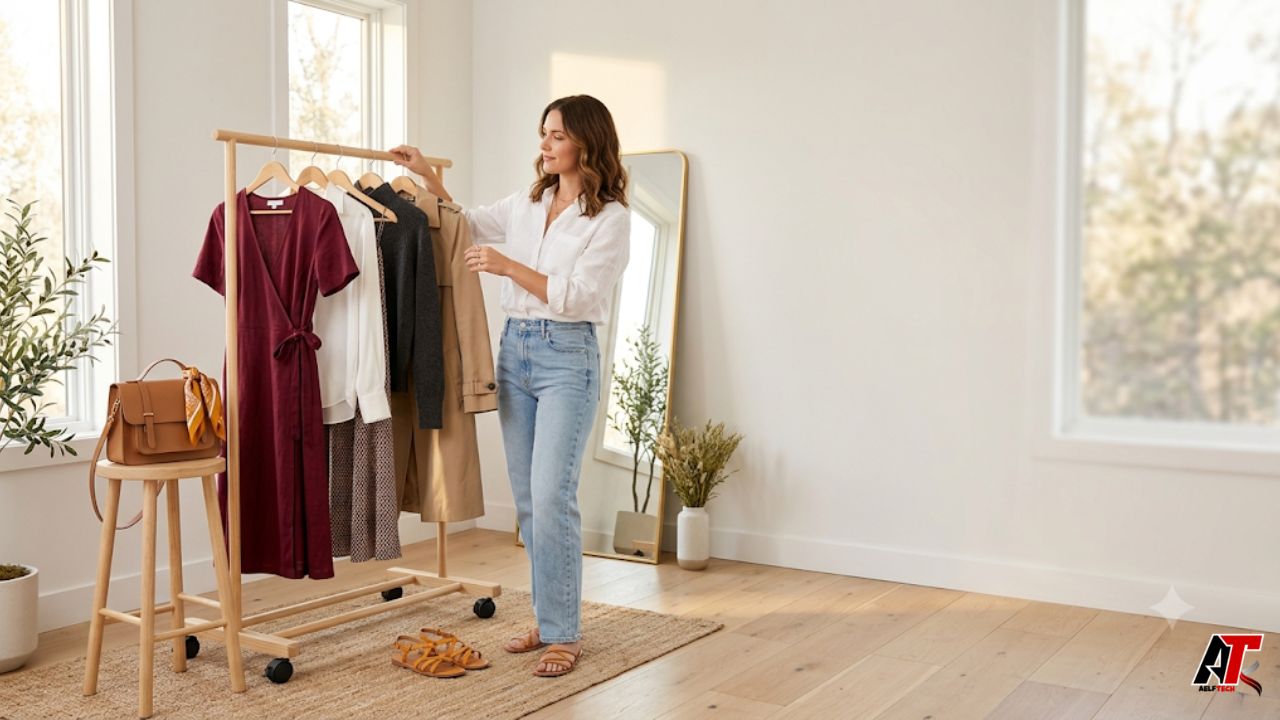
Refreshing your wardrobe sounds exciting until it becomes another project to manage. You open several tabs, save dozens of outfits, question every color, and then wonder whether anything will work with what you already own. A successful style update does not require a total closet replacement. It begins with a few clear choices: what you actually wear, where your current wardrobe feels limited, and which new pieces can create several outfits instead of one.
That practical approach fits naturally with a trend-led boutique such as VICI Collection. Its website currently organizes fashion across new arrivals, dresses, tops, matching sets, bottoms, denim, swimwear, shoes, and accessories, which makes it possible to browse by both item and occasion. The goal, however, is not to chase every new release. It is to use a broad collection as a source of focused options while keeping your own lifestyle, comfort, and budget in charge.
This guide explains how to refresh your style without overthinking it. You will learn how to identify useful wardrobe gaps, choose reliable outfit formulas, balance trends with everyday basics, shop online more carefully, and create a personal look that feels current without feeling forced.
Why Style Refreshes Often Feel More Complicated Than They Are
Most clothing decisions become difficult when the question is too broad. Asking, “What should my new style be?” places pressure on every purchase. A better question is, “What would make getting dressed easier this month?” You may need a polished top for casual dinners, a comfortable dress for warm weekends, jeans that suit several shoes, or a layer that completes simple outfits. A specific need is easier to solve than an abstract identity crisis.
Social media can also make a normal wardrobe feel outdated overnight. Fast-moving outfit content presents complete looks, perfect lighting, and constant novelty. Real life is different. Your clothes need to survive repeated wear, changing weather, sitting, walking, commuting, and ordinary laundry. A useful style refresh respects those realities. It adds energy to your wardrobe without turning every morning into a styling challenge.
Start With a Ten-Minute Closet Check
Before shopping, look at the clothes you wore most during the last four weeks. Do not judge the rest of your closet yet. Focus on the repeat performers. Notice their colors, shapes, fabrics, and level of formality. Perhaps you repeatedly choose straight-leg denim, soft knit tops, easy midi dresses, or neutral layers. These patterns reveal your genuine style more accurately than an inspiration board.
Next, identify three gaps. Keep them practical. Examples might include one elevated casual top, one versatile day-to-evening dress, and one pair of comfortable shoes. Limiting the list prevents random purchases from competing with your real priorities. It also gives you a simple filter: if an item does not solve one of the three gaps or work with several existing pieces, it can wait.
Build Around Three Reliable Outfit Formulas
Outfit formulas reduce decision fatigue because they create a repeatable structure. The individual garments can change while the logic remains familiar. Start with three formulas that match your routine and body comfort. For example, try fitted top plus relaxed jeans plus a structured bag; flowing dress plus simple sandal plus small jewelry; or lightweight button-down plus tank plus tailored shorts. Each formula can be made casual, polished, or seasonal through color and accessories.
When browsing VICI-style collections, shop for the missing part of a formula rather than an isolated statement piece. A blouse becomes more valuable when you already know which jeans, trousers, and skirt will support it. A dress becomes easier to justify when it can work with flat sandals, sneakers, and a heel. This method turns browsing into editing and helps every purchase earn its place.
Choose One Hero Piece, Then Keep the Rest Calm
A refreshed outfit does not need several competing trends. One hero piece is usually enough. It may be a printed maxi dress, a textured top, a vivid handbag, a denim silhouette, or a pair of distinctive shoes. Let that item lead, then keep the remaining elements visually quieter. The result feels intentional rather than busy.
For example, pair a patterned dress with understated jewelry and a neutral shoe. Wear a sculptural top with familiar denim. Combine a bold bag with a monochrome base. This approach is especially helpful when you like fashionable pieces but do not want your wardrobe to feel costume-like. It also increases repeat wear because the statement item can be styled against several simple foundations.
Use Color Without Rebuilding Your Entire Wardrobe
Color is one of the fastest ways to make familiar clothing feel new. You do not need a complicated seasonal palette. Choose one core neutral that already dominates your closet, such as black, cream, denim blue, camel, or white. Then add one or two accent colors that work with it. Burgundy, warm gold, olive, soft blue, and coral can each create a noticeable change without demanding a new wardrobe.
Repeat an accent color in small ways. A top can connect with a handbag detail, shoe, scarf, or earring. The pieces do not need to match exactly; they only need to feel related. If bright clothing feels intimidating, begin with accessories or a print containing your chosen color. This gives the outfit energy while keeping the overall look wearable.
Balance Trend Pieces With Closet Anchors
Trends are useful when they introduce a new proportion, texture, or styling idea. They become expensive when every item depends on another trend item to work. Balance each fashion-forward purchase with closet anchors: straight or relaxed denim, a simple tank, a clean button-down, a neutral jacket, an uncomplicated dress, or shoes you can comfortably wear for hours.
A practical ratio is to make most of the outfit familiar and let one element feel fresh. Wide-leg jeans can work with a basic fitted top. A romantic blouse can sit above everyday denim. A modern matching set can be split and worn as separates. This balance helps a trend feel personal and prevents the closet from becoming a collection of short-lived, hard-to-style pieces.
Make Dresses and Matching Sets Work Harder
Dresses and matching sets are useful for anyone who wants a polished result with fewer decisions. A dress creates an immediate silhouette, while a coordinated set removes the work of matching separates. Their value grows when you can restyle them. Layer a button-down over a fitted dress, add a denim jacket to a maxi, or use a belt to adjust the shape. With a set, wear the top with jeans and the bottom with a simple tank or knit.
Before buying, imagine at least three realistic settings. Could the piece work for brunch, a casual event, and a vacation dinner? Can the shoes be changed to alter the mood? Can a layer extend its season? A garment that supports several versions of your life is more useful than one that looks impressive only in a single photograph.
Pay Attention to Proportion, Not Just Size
Good styling is often about proportion. A voluminous top may look more balanced with a straighter bottom. Wide-leg trousers often benefit from a defined or shorter top, though a long relaxed layer can also work when the lines are deliberate. A mini dress can feel grounded with a flat shoe or boot, while a long dress may gain definition from a cropped jacket or waist detail.
These are options, not rigid rules. The best proportion is the one that gives you comfort and a clear shape. When shopping online, compare garment measurements with an item you already own, study where hems and waistlines sit on the model, and note whether the fabric appears structured or fluid. Size labels vary; measurements and material details provide more useful information.
Use Accessories as a Low-Commitment Update
Accessories can refresh repeat outfits without changing their basic comfort. A belt can define a loose dress or add structure to denim. Earrings can shift a plain top from practical to polished. A bag can introduce texture or color, and shoes can move the same outfit from daytime to evening. Because accessories occupy less visual space than garments, they are also a gentler way to test a new trend.
Choose accessories that connect to your actual routine. A beautiful heel that you avoid wearing is less helpful than a refined flat or low sandal that supports daily movement. Similarly, a tiny bag may be perfect for events but unsuitable for work. Style feels effortless when the finishing pieces solve practical needs as well as aesthetic ones.
Shop Online With a Simple Decision Checklist
Online fashion is easiest when you slow down at the product page. First, read the fabric composition and care instructions. Fabric affects drape, stretch, breathability, and maintenance. Second, check the garment measurements or size guide and compare them with a similar piece you own. Third, review photographs from multiple angles and zoom in on closures, lining, seams, and texture. Fourth, confirm the current shipping, exchange, return, and final-sale terms before paying, because policies and promotions can change.
Then ask four personal questions: Where will I wear it? Which three items in my closet will work with it? Do I already own something that serves the same purpose? Would I choose it without the limited-time message? This short pause separates genuine wardrobe value from urgency. It does not remove the enjoyment of shopping; it protects it from regret.
Create a Small Capsule Instead of a Large Haul
A focused mini capsule can make your entire closet feel more current. Choose five or six pieces that share a color direction and can be mixed easily. One example is a versatile dress, a polished top, a casual top, updated denim, a light layer, and one accessory or shoe. The exact items should reflect your climate and routine.
Before checkout, map the combinations. The two tops should work with the denim and at least one existing bottom. The layer should support the dress and separates. The accessory should complement several looks. A small capsule creates more outfit possibilities than a larger group of unrelated purchases, and it is much easier to evaluate for fit, comfort, and cost.
Common Style-Refresh Mistakes to Avoid
The first mistake is buying for an imagined lifestyle. A sequined dress may be lovely, but it should not replace the everyday layer you actually need. The second is purchasing several statement items without supporting basics. The third is ignoring fabric care, fit information, or return conditions. The fourth is choosing a piece only because it is heavily promoted. Discounts can improve a planned purchase, but they cannot make an unsuitable garment useful.
Another mistake is treating discomfort as a styling problem. If you constantly pull, adjust, or avoid sitting in an item, the issue is probably fit or construction, not a missing accessory. Clothing should support your day. A stylish wardrobe is not the one with the most dramatic pieces; it is the one that makes you feel prepared, comfortable, and recognizably yourself.
A Practical Seven-Day Style Reset
Day one: photograph five outfits you already enjoy. Day two: list three wardrobe gaps. Day three: choose two outfit formulas. Day four: select a core neutral and one accent color. Day five: browse only for your listed gaps and save a small shortlist. Day six: compare measurements, fabrics, care, styling options, and current store policies. Day seven: purchase only the pieces that create at least three realistic outfits, or keep the shortlist for a later decision.
This reset works because it separates discovery from buying. You still get the pleasure of exploring new fashion, but you also give yourself time to recognize duplicates and weak choices. At the end of the week, even if you buy nothing, you will understand your closet better and have several fresh outfit ideas.
Final Thoughts
Refreshing Your Style with VICI Collection does not have to mean following every trend or replacing everything you own. The most effective refresh begins with your real wardrobe and adds a small number of pieces that improve versatility, confidence, and ease. Use outfit formulas, one hero item, a controlled color palette, dependable basics, and practical accessories to keep the process simple.
Browse with curiosity, but edit with purpose. Check measurements and materials, imagine repeat wear, and verify current purchase policies before ordering. The right addition should make existing clothes more useful, not create another problem to solve. For more clear, practical guides on digital trends, shopping, and everyday decision-making, explore aelftech.com.
Leave a Reply