
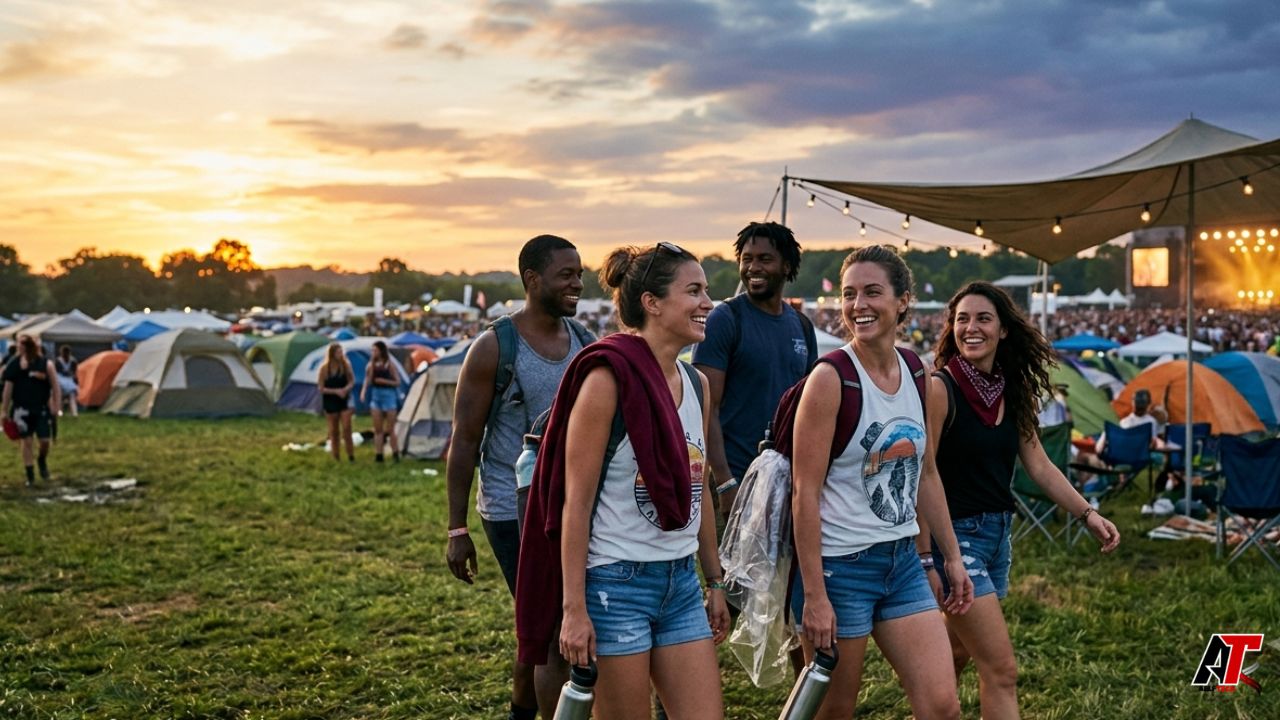
The simple answer is usually no—Bonnaroo is far more likely to feel hot, humid, and sun-soaked than genuinely cold. The festival takes place each June on a large farm in Manchester, Tennessee, where daytime temperatures commonly climb into the 80s Fahrenheit. However, that does not mean you should pack only shorts and sleeveless tops. After sunset, temperatures can fall into the 60s, and a combination of sweat, rain, wind, fatigue, and damp clothing can make the night feel surprisingly cool.
That contrast catches many first-time attendees off guard. You may spend the afternoon searching for shade, then wish you had a light hoodie while walking back to camp at 2 a.m. The smartest approach is not to prepare for winter weather. It is to build a flexible packing plan that keeps you comfortable through heat, humidity, thunderstorms, and cooler late-night hours.
What Is the Weather Usually Like at Bonnaroo?
Bonnaroo is held each June on a 700-acre farm in Manchester, Tennessee. Historical June conditions in the area point to average daytime highs in the mid-80s Fahrenheit and average nighttime lows in the mid-60s. Those numbers describe the climate, not a guaranteed festival forecast. A particular weekend can be hotter, cooler, wetter, or windier than average.
Manchester has a humid subtropical climate, so warm air often arrives with noticeable moisture. That is one reason an 84°F afternoon may feel more draining than the number suggests. Crowds, direct sunlight, long walks, dancing, limited sleep, and camping also add physical stress. In practical terms, Bonnaroo weather often feels hottest from late morning through the afternoon, more comfortable around sunset, and occasionally cool enough for an extra layer overnight.
So, Is It Cold at Bonnaroo at Night?
Most Bonnaroo nights are better described as mild or cool rather than cold. Temperatures in the 60s may feel pleasant when you are dry and active. They can feel quite different when you are exhausted, sitting still, wearing a damp shirt, or returning to a tent after rain. Open farm terrain can also make a breeze more noticeable after dark.
Personal tolerance matters too. Someone arriving from a cool northern climate may find the evening warm, while a person accustomed to Florida or Texas heat may reach for a sweatshirt. Campers usually feel the temperature drop more than hotel guests because tents provide limited insulation and can become damp. A lightweight layer and dry sleep clothes solve this problem without taking much space.
Why Bonnaroo Can Feel Hotter Than the Forecast
Temperature alone does not tell the full story. humidity slows the evaporation of sweat, which reduces the body’s ability to release heat efficiently. NOAA explains that the heat index combines temperature and moisture to estimate how hot conditions feel to the body. Its published values are calculated for shade, and direct sunshine can make conditions feel substantially hotter.
Festival activity intensifies the effect. You may walk several miles, stand in dense crowds, dance during peak heat, and carry a backpack while sunlight reflects from dry or muddy ground. Even a forecast that appears manageable can become uncomfortable after hours outdoors. That is why experienced attendees focus on shade, hydration, pacing, breathable clothing, and regular rest—not just the predicted high temperature.
Could Bonnaroo Ever Feel Genuinely Cold?
A truly cold Bonnaroo weekend is unusual, but short periods can feel chilly. A passing storm may lower the temperature quickly. Wet clothes conduct heat away from the body, and wind can increase discomfort. A cloudy morning after a rainy night may also feel cooler than expected, especially if your bedding or shoes are damp.
Do not interpret this possibility as a reason to pack a heavy winter coat. Bulky cold-weather gear consumes valuable space and may never leave your vehicle. Instead, prepare with compact layers: a light sweatshirt or fleece, a thin waterproof shell, fresh socks, and one completely dry outfit reserved for sleeping. This combination handles most cooler scenarios more effectively than one heavy garment.
What Should You Wear During the Day?
Choose loose, lightweight, breathable clothing that allows air to move around your skin. Light-colored shirts, tanks, shorts, moisture-managing socks, and comfortable shoes are practical choices. The CDC recommends loose, lightweight, light-colored clothing during extreme heat. A wide-brimmed hat or cap, UV-protective sunglasses, and sunscreen add essential sun protection.
Festival clothing can still show personality without becoming uncomfortable. Breathable graphic t shirts can work well when paired with airy shorts and supportive footwear. Avoid making style the only priority. Heavy fabrics, tight dark outfits, non-breathable costumes, and shoes you have never worn before can become miserable after hours of heat, walking, and dust.
What Should You Wear After Sunset?
Pack one light long-sleeve layer that fits easily in a day bag or locker. A thin hoodie, breathable crewneck, overshirt, or packable jacket is usually enough for late-night sets and the walk back to camp. If rain is possible, add a compact waterproof shell or poncho. A waterproof outer layer is more useful than a thick sweatshirt once moisture enters the picture.
Keep the evening layer dry during the day. Storing it in a resealable bag inside your backpack prevents sweat, spilled drinks, or rain from ruining it. Dry socks are equally valuable. Changing into clean socks and a dry top can make you feel dramatically warmer and more comfortable, even when the air temperature has not changed much.
How Should Campers Prepare for Overnight Temperatures?
Your sleeping setup matters more than bringing heavy clothing. Use a sleeping pad or cot to create separation from the ground, because the surface beneath a tent can feel cooler and may hold moisture. Bring a lightweight sleeping bag or breathable blanket that is suitable for mild summer nights. A fitted sheet or sleeping-bag liner can help when the tent remains warm.
Reserve a dry set of clothes exclusively for sleep. Include a T-shirt, light pants or leggings, socks, and a sweatshirt if you tend to get cold easily. Ventilate the tent when conditions are dry, but be prepared to close openings during blowing rain. A canopy above the campsite provides shade during the day and can help protect the tent area, although it must be securely anchored and used according to festival rules.
Rain, Thunderstorms, and Sudden Weather Changes
June weather in Tennessee can shift quickly. Sunshine may give way to clouds, rain, gusty wind, or thunderstorms. Bonnaroo’s official safety guidance tells guests to dress for the weather, monitor the radar, and consider items such as rain boots and ponchos. The event team also monitors weather conditions and communicates instructions when necessary.
Check the Manchester forecast before traveling, then continue checking it during the festival. Pay attention to official Bonnaroo alerts rather than relying on rumors circulating through camp. If organizers issue shelter or evacuation instructions, follow them immediately. Never remain in an exposed area simply to save a campsite setup or hold a viewing spot.
Heat Safety Matters More Than Cold-Weather Preparation
The larger weather risk at Bonnaroo is usually heat. The CDC advises people in hot conditions to stay cool, stay hydrated, and recognize symptoms of heat-related illness. Heat exhaustion may involve heavy sweating, weakness, dizziness, headache, nausea, or a rapid pulse. Confusion, fainting, or very high body temperature may signal a medical emergency requiring immediate help.
Drink fluids regularly rather than waiting until you feel intensely thirsty. Use complimentary refill stations, take shade breaks, eat regular meals, and consider electrolytes during prolonged sweating. Alcohol and other substances can impair judgment or complicate hydration, so pace yourself carefully. Visit festival medical staff when symptoms appear instead of trying to push through another performance.
A Practical Bonnaroo Weather Packing List
A balanced weather kit does not need to be large. Bring breathable daytime outfits, a light hoodie or long-sleeve shirt, a compact poncho or rain shell, a sun hat, sunglasses, sunscreen, and multiple pairs of socks. Add supportive shoes, a backup pair of footwear, a refillable water bottle or permitted hydration pack, and resealable bags for dry clothing and electronics.
Campers should also bring shade equipment, a suitable sleeping layer, towels, and an outfit reserved for nighttime. Before packing, review the current prohibited-items and camping rules on the official Bonnaroo website. Policies can change, and an otherwise sensible item may have size, material, or campsite restrictions.
What Not to Pack for Bonnaroo Weather
Avoid overpacking heavy sweaters, thick coats, or several pairs of jeans. They occupy space, dry slowly, and are poorly suited to humid afternoons. One versatile warm layer is usually more useful than multiple bulky pieces. Also avoid relying on disposable emergency ponchos as your only rain plan if storms are strongly forecast; they tear easily in wind and crowds.
Do not bring only one pair of shoes or one pair of socks for the entire weekend. Mud, rain, sweat, and long walking distances can make wet footwear a major comfort problem. Likewise, do not assume your vehicle or tent will remain cool enough for safe daytime sleep. Tents can heat rapidly under direct sun, so create shade and rest in appropriate cooler areas.
How to Check the Forecast Before You Leave
Start watching the forecast about a week before arrival, but treat early predictions as provisional. The most useful forecast becomes available closer to the event. Look at daytime highs, overnight lows, chance of thunderstorms, rainfall totals, wind, dew point or humidity, and the heat index. The overnight low alone will not tell you how cool you may feel after rain.
Check again on the morning you travel and throughout the weekend. Use the National Weather Service forecast for Manchester alongside official festival updates. A screenshot saved hours earlier may become outdated when storms develop. Let current conditions guide what you carry into Centeroo each day rather than following the same clothing plan all weekend.
Final Verdict: Is It Cold at Bonnaroo?
Bonnaroo is generally not cold. Expect warm to hot days, noticeable humidity, and mild nights. Still, nighttime temperatures in the 60s, wet clothing, wind, and fatigue can create a real chill. The best answer is to pack primarily for summer heat while carrying one dry, lightweight layer for evenings and unexpected weather.
Smart preparation improves the entire festival experience. Wear breathable clothes, protect yourself from the sun, hydrate consistently, monitor official forecasts, and keep rain gear close. For more practical technology, lifestyle, and event-preparation guides, visit aelftech.com. With flexible layers and realistic expectations, you can enjoy the Farm comfortably from the hottest afternoon set to the coolest late-night walk back to camp.
Leave a Reply