
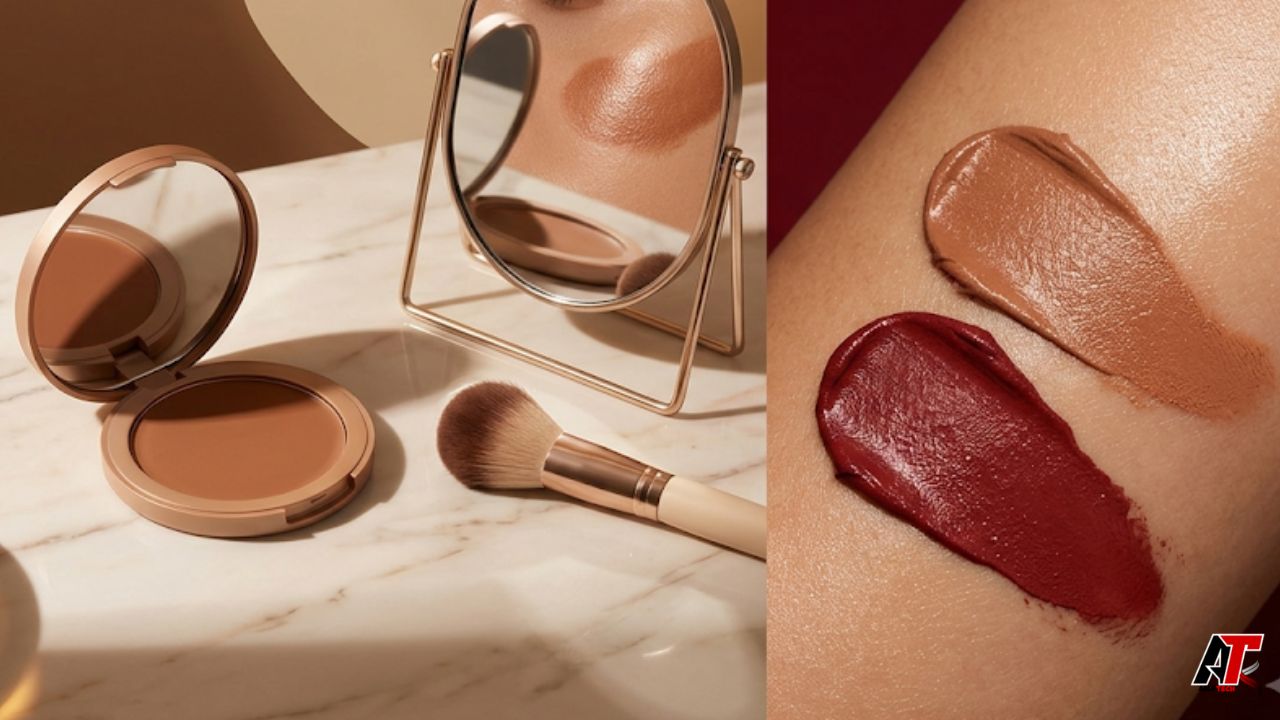
Dry skin changes the way makeup sits on the face. A product that looks smooth on oily or balanced skin can look patchy on dry areas. This is especially true with bronzer. Bronzer is meant to add warmth, shape, and a healthy glow. Yet the wrong formula can cling to flakes, make texture look stronger, and leave the skin looking tired instead of fresh.
That is why many makeup lovers prefer cream bronzer for dry skin. Cream formulas melt into the base. They move with the skin and give a softer finish. Powder bronzer can still work in some routines, but it often needs extra care on dry skin. Cream bronzer usually gives a more flexible, hydrated, and natural-looking result.
In this guide, we will explain why cream bronzer often performs better than powder on dry skin. We will also cover skin prep, brush choice, shade selection, blending methods, and common mistakes to avoid.
How Dry Skin Affects Bronzer
Dry skin often has less surface oil. It may also feel tight, rough, dull, or flaky. Because of this, makeup does not always spread evenly. Products can gather around dry patches. They can also separate near the cheeks, nose, and forehead after a few hours.
Bronzer makes these issues more noticeable because it adds color. If the color catches on uneven texture, it can look muddy or streaky. This does not mean bronzer is the problem. It means the formula and application method need to match the skin type.
Cream bronzer for dry skin helps because it has a softer texture. It does not sit on top of flakes in the same way many powders can. Instead, it blends into foundation, skin tint, or moisturizer. As a result, the warmth looks more like a natural flush from within the skin.
Why Cream Bronzer Feels More Comfortable
Comfort matters when your skin is dry. Powder products can sometimes make the face feel tighter. Cream products usually feel smoother because they are designed to glide. Many cream bronzers have emollient textures. These textures help the product move across the skin without dragging.
This slip is useful around the cheekbones, temples, and jawline. These areas often need blending. With cream bronzer, you can tap and buff the color until it looks soft. You do not need to keep adding layers to fix uneven patches.
The finish is another major reason people choose cream formulas. Powder bronzer often gives a matte or satin look. That can be beautiful on many skin types. However, dry skin often benefits from a gentle glow. Cream bronzer can add warmth without making the face look flat.
Cream Bronzer Blends Into the Base
One of the biggest advantages of cream bronzer is how well it blends with other complexion products. If you use moisturizer, sunscreen, primer, skin tint, or foundation, cream bronzer can become part of that base. It does not create a harsh layer on top.
This is important for dry skin because layering can quickly become visible. Too many dry textures can make makeup look heavy. Cream bronzer keeps the look soft and flexible. It lets the natural skin finish show through.
For a daily routine, apply cream bronzer after foundation or skin tint. Then blend the edges with a brush, sponge, or clean fingers. The goal is not to create a sharp stripe. The goal is to add warmth where the sun naturally hits the face.
Powder Bronzer Can Highlight Texture
Powder bronzer is not bad. It has a useful place in many makeup routines. It can set the face, add structure, and last well in humid weather. Still, powder can be harder to use on dry skin because it absorbs oil and sits on the surface.
When skin has flaky spots, powder can catch on them. When foundation is already dry, powder can make it look more textured. When too much powder is used, bronzer can appear dusty instead of smooth. This is why a powder bronzer that looks perfect on one person may look uneven on another.
Cream bronzer gives more working time. You can blend it slowly before it sets. You can also sheer it out with a damp sponge or mix a small amount into moisturizer for a soft warm tint. That makes it more forgiving for beginners and for anyone dealing with dry patches.
Skin Prep Makes the Biggest Difference
Even the best cream bronzer will not look its best on skin that is not prepared. Start with a gentle cleanse. Avoid harsh scrubbing right before makeup. Then apply a hydrating serum or moisturizer that suits your skin. Let it settle for a few minutes before adding makeup.
Dry skin often needs richer moisture than oily skin. Dermatologists often recommend creams or ointments over lighter lotions when dryness is a concern because they help the skin hold moisture better. That same idea can help your makeup routine. A hydrated base gives bronzer a smoother surface to grip.
Sunscreen is also important during the day. Choose one that layers well under makeup. If your sunscreen pills, your bronzer may also look patchy. Let each skincare layer absorb before applying the next step.
Choosing the Right Cream Bronzer for Dry Skin
The best cream bronzer for dry skin should feel smooth, not greasy. It should blend easily and stay flexible. A shade that is too orange can look artificial. A shade that is too gray can look dull. The right shade should be one or two tones deeper than your natural skin tone.
Look at the undertone as well. Warm golden shades can brighten many complexions. Neutral brown shades can look more natural for contour-style warmth. Red-brown shades can mimic a sun-kissed effect. The best choice depends on your skin tone, undertone, and makeup style.
Texture also matters. Stick bronzers are easy for quick application. Cream pots can give more control. Liquid bronzers can look very sheer and dewy. If you want product ideas, beauty roundups of Cream bronzers can help you compare textures, finishes, and shade ranges before you choose.
The Right Brush Can Change the Finish
Tools can make cream bronzer look polished. Fingers warm the product and help it melt into the skin. A damp sponge softens edges and removes excess product. A brush gives more control and helps build color without disturbing the base.
For dry skin, avoid rough or stiff brushes. They can lift foundation and make texture look worse. A soft dense brush usually works well. It presses the bronzer into the skin while diffusing the edges. If you want to upgrade your kit, you can shop luxury brushes that are designed for smoother face makeup application.
Use light pressure. This is one of the most important tips. Heavy pressure moves the base underneath. Gentle tapping and small circles keep the finish smooth. Build color slowly instead of applying too much at once.
How to Apply Cream Bronzer Step by Step
Start with a small amount. Place the bronzer on the back of your hand first. This warms the product and prevents over-application. Pick it up with a brush or sponge. Then tap it onto the high points of the face.
Apply it along the cheekbones, around the hairline, lightly across the temples, and under the jaw if you want soft definition. Keep the color higher on the cheek if you want a lifted look. Blend the edges until there are no harsh lines.
Next, look at your face in natural light. Add more only where needed. Cream bronzer for dry skin looks best when it is built in thin layers. If you apply too much, press over the area with your foundation sponge. This will soften the color without removing the glow.
How to Make Cream Bronzer Last Longer
A common worry is that cream bronzer may fade faster than powder. It can last well if you apply it correctly. Start with skin prep. Then use thin layers. Thick layers move more easily. Thin layers become part of the base.
You can also set only the areas that crease or get shiny. There is no need to powder the whole face if your skin is dry. Use a tiny amount of translucent powder around the nose, smile lines, or forehead if needed. Leave the bronzed areas fresh and flexible.
Setting spray can also help. Choose a hydrating or natural-finish spray rather than a very matte one. A soft mist can bring the layers together and reduce any powdery look from foundation or concealer.
Common Mistakes to Avoid
The first mistake is using too much product. Cream bronzer is often more pigmented than it looks. Start small. You can always add more, but removing too much bronzer can disturb the rest of your makeup.
The second mistake is applying bronzer over a dry, unset patch of skincare. If moisturizer has not absorbed, the bronzer may slide. If the skin is too dry, it may cling. Give skincare time to settle before makeup.
The third mistake is choosing the wrong undertone. Dry skin can look dull when the bronzer is too cool or muddy. It can look orange when the bronzer is too warm. Test the product near your cheek or jaw before using it on the full face.
The fourth mistake is over-powdering. If you use cream bronzer because you want glow, heavy powder can remove that benefit. Set only where needed.
Can Powder Bronzer Still Work on Dry Skin?
Yes, powder bronzer can still work. The key is using it carefully. Choose a finely milled formula. Avoid formulas that look chalky or heavy. Prep the skin well and use a soft brush. Apply a small amount and blend with light pressure.
Powder bronzer may be useful when you want extra staying power. It can also be layered lightly over cream bronzer. This method is popular for events because the cream gives a natural base and the powder locks in the shape.
However, for everyday makeup, many people with dry skin prefer cream alone. It is faster, softer, and easier to refresh. A small tap of product can bring warmth back to the face without creating a dry layer.
Who Benefits Most From Cream Bronzer?
Cream bronzer is a strong choice for anyone whose makeup looks flat, flaky, or textured after powder. It is also helpful for mature skin because it can look softer around fine lines. It suits natural makeup lovers who want warmth without a heavy finish.
Beginners also benefit because cream formulas are forgiving. If the color is too strong, you can blend it out. If the edge is too sharp, you can tap over it with a sponge. This control makes the routine less stressful.
For a polished everyday look, keep your routine simple. Hydrate the skin. Use a thin base. Add cream bronzer. Blend well. Then finish with a little blush, brow grooming, mascara, and lip balm. This creates a fresh look without too many layers.
Final Thoughts
Cream bronzer works better than powder formulas on dry skin because it blends more smoothly, adds a healthier finish, and feels more comfortable. It is less likely to cling to flakes and more likely to move with the skin. With the right prep and tools, it can make the face look warm, lifted, and naturally radiant.
Powder bronzer still has a place, especially for setting or long wear. Yet for dry skin, cream formulas are often easier to manage. They give the skin warmth without taking away softness.
For more practical beauty, lifestyle, and product-focused guides, aelftech.com shares reader-friendly content that helps you make smarter everyday choices.
Leave a Reply