
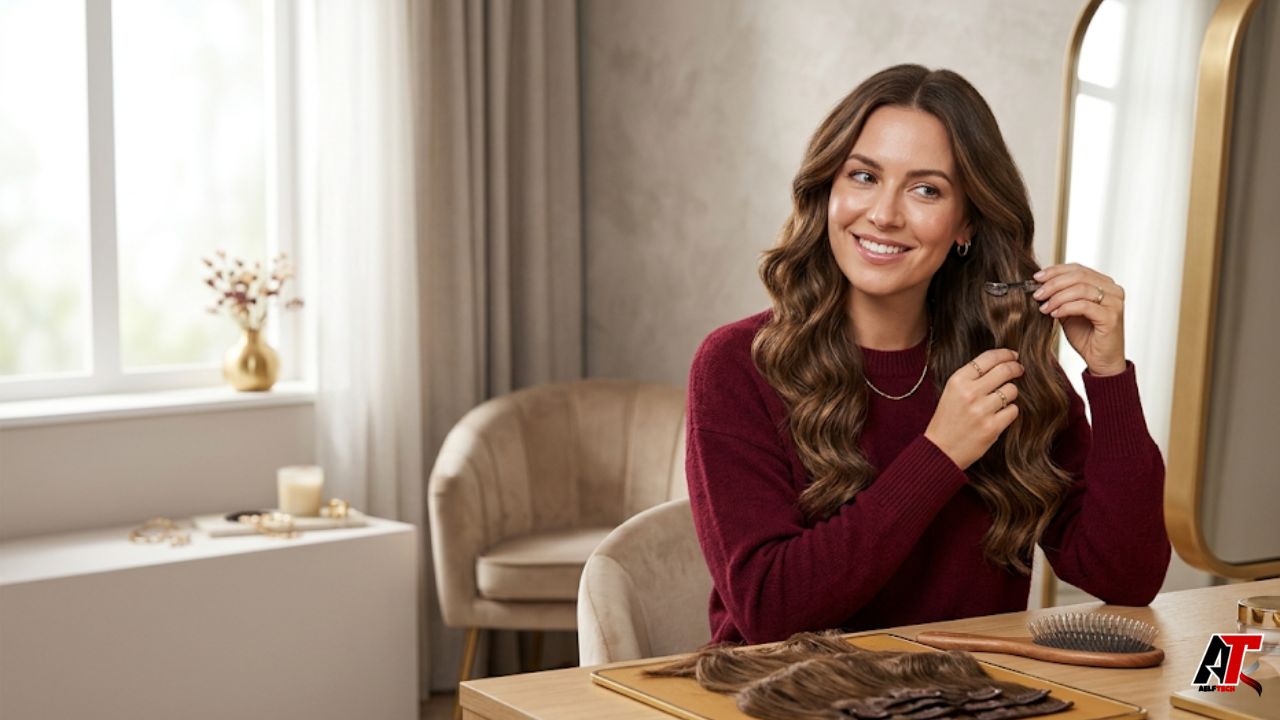
Most people do not want to spend every morning rebuilding their hairstyle from the beginning. They want hair that looks polished, feels believable, and works with the time they actually have. That is where well-chosen extensions can change a routine. Instead of treating added hair as something reserved for weddings or major events, many wearers now use it to create dependable volume, length, shape, or a finished ponytail on ordinary days.
The appeal of Bellami Hair is closely connected to that everyday goal. The brand offers removable options, such as clip-ins and ponytails, alongside professional extension methods intended for longer wear. This range allows people to choose a solution according to their schedule, comfort level, natural hair, and styling expectations rather than forcing every customer into one method.
The most useful way to understand Bellami Hair extensions is not to ask whether they create an instant transformation. It is to ask whether they reduce daily styling friction. When the shade, texture, length, weight, placement, and care routine work together, extensions can make a familiar hairstyle easier to repeat and more natural to wear.
1. Removable Options Support Low-Commitment Styling
Clip-in extensions are useful for people who want control over when they wear added hair. They can be installed for work, dinner, photographs, travel, or a special occasion and removed before bed. That flexibility makes them easier to fit around changing schedules than a permanent daily hairstyle.
Bellami describes its clip-in collections as being made with 100% Remy human hair and designed to curl, straighten, and style in a way that feels familiar. Because clip-ins can be prepared before installation, a wearer can curl or smooth the pieces in advance, store them carefully, and reuse the same finished texture. This can shorten the active styling time on a busy morning.
Removable pieces also allow experimentation without requiring a long-term change. Someone can add density to a braid, test a longer silhouette, or create fuller ends while keeping their usual haircut. That makes everyday styling feel less risky and more adjustable.
2. Different Methods Match Different Routines
One reason the brand can feel accessible is that it does not present only one extension format. The official collection includes DIY options and professional methods, with choices such as clip-ins, ponytails, tape-ins, wefts, keratin tips, and other salon-installed systems. Each method serves a different balance of convenience, wear time, maintenance, and styling freedom.
A person who changes styles frequently may prefer removable clip-ins. Someone who regularly wears a sleek ponytail may value a wrap-style ponytail extension. A customer seeking longer-term fullness may be better served by a consultation with a trained stylist who can assess the natural hair and recommend a professional installation method.
This variety matters because convenience is personal. The easiest option is not always the one that installs fastest. It is the one that fits the wearer’s real routine, including washing habits, workout schedule, sleep, styling confidence, maintenance budget, and willingness to attend salon appointments.
3. Natural-Looking Results Begin With Shade Selection
The most carefully installed extension can still look obvious when the color is wrong. Natural-looking styling depends on matching more than a single label such as brown or blonde. Roots, mid-lengths, ends, highlights, lowlights, warmth, coolness, and dimensional color can all influence how well the added hair disappears into the natural hair.
Bellami’s official color guidance recommends assessing the roots and ends rather than judging the shade from one area alone. This is practical because many people have darker roots and lighter ends, or multiple tones created by previous coloring. A dimensional extension shade may blend better than a flat match based only on the root.
Color matching also reduces styling effort. When the shades blend naturally, there is less need to hide every separation with aggressive curling or complex placement. The wearer can use simpler shapes, softer waves, or straighter finishes while still maintaining a cohesive appearance.
4. Familiar Hair Behavior Makes Styling More Intuitive
Human-hair extensions generally offer a more familiar styling experience than fibers that cannot be treated in the same way as natural hair. Many Bellami collections are presented as Remy human hair, which allows appropriate pieces to be curled or straightened according to the brand’s instructions.
That familiar behavior helps wearers create continuity between their natural hair and the extensions. For example, both sections can be shaped with a similar curl direction, smoothed into one ponytail, or blended through soft waves. The goal is not to make every strand identical. It is to create enough shared movement that the eye reads the style as one complete look.
Heat should still be used carefully. Bellami’s care guidance recommends applying heat protectant before blow-drying or using hot tools. Lower, controlled heat and fewer passes can help preserve softness and reduce unnecessary wear, just as they can with natural hair.
5. Clip-Ins Can Turn Volume Into a Repeatable Step
Volume is often the hardest part of a hairstyle to reproduce. Root lift can fall, curls can separate, and fine ends can make a style look less complete. Clip-ins provide a repeatable amount of hair, so the wearer does not have to manufacture the same fullness from scratch every day.
A simple installation usually begins with clean, detangled hair and horizontal sections. Bellami’s installation guidance includes sectioning the hair and preparing the roots so the clips have a secure base. Placement should remain comfortable and should not pull. Fewer, well-positioned wefts often look more natural than forcing every piece into the head.
Once installed, the natural hair and extensions should be blended as a single shape. Soft curling, face-framing pieces, and attention to the ends can make a noticeable difference. The most convincing result usually comes from balanced distribution rather than maximum volume.
6. Ponytail Extensions Offer Fast Structure
A polished ponytail can require more work than it appears to. Natural hair may lack length, density, or an even tail, while repeated teasing and wrapping can take time. A ponytail extension supplies the structure in one prepared piece, making it useful for mornings when the base ponytail is easy but the finished shape is not.
Bellami’s ponytail guidance describes securing the piece around the natural ponytail and wrapping a section of hair around the base to conceal the seam. The technique can create a clean, intentional finish without requiring the wearer to build fullness with several separate wefts.
This format works especially well when the desired style is consistent: sleek, high, low, waved, or softly curled. Preparing the extension beforehand can make the routine even faster. The natural hair still needs gentle tension and secure placement, but the final silhouette is much easier to predict.
7. Professional Extensions Can Reduce Daily Installation
Removable extensions save commitment, but they still require installation each time. People who want added length or density every day may prefer a professional method. Salon-installed extensions can reduce the need to clip in separate pieces every morning, although they introduce maintenance appointments, specialized care, and a greater need for correct installation.
A professional consultation is important because the stylist must consider hair density, scalp comfort, lifestyle, desired result, and the condition of the natural hair. The most suitable method for thick, resilient hair may not be appropriate for fine or fragile strands. A qualified stylist can also plan placement so that the extensions remain concealed during common hairstyles.
Professional extensions should not be treated as maintenance-free. They need careful brushing, washing, drying, sleeping habits, and timely move-up or replacement appointments. Their everyday convenience is strongest when the wearer is prepared to follow the recommended aftercare.
8. Blending Matters More Than Simply Adding Length
Natural-looking extensions rarely depend on length alone. The haircut, density, texture, and distribution of the added hair determine whether the final style feels integrated. Very long extensions placed beneath a blunt, much shorter haircut may need shaping by a professional to soften the transition.
Texture also deserves attention. Straight natural hair and tightly waved extensions may separate visually unless both are styled into a shared finish. Bellami offers straight and textured options, but the closest product texture may still require blending. For curly or textured hair, moisture, curl pattern, product choice, and low-heat techniques can be especially important.
A good everyday result is often intentionally modest. Adding enough hair to support the style can look more convincing than pursuing the greatest possible length or thickness. Natural movement, comfortable weight, and visible balance usually matter more than dramatic volume.
9. A Consistent Care Routine Protects Styling Convenience
Extensions are most convenient when they are ready to wear. Tangling, dryness, product buildup, or damaged ends can turn a quick routine into a long detangling session. Proper storage and care preserve the preparation work already invested in the pieces.
The brand’s care materials emphasize heat protection, and its FAQ notes that clip-ins have specific washing guidance. Care instructions can vary by collection, texture, and installation method, so the product-specific directions should take priority over general advice. Washing too frequently, using heavy products near attachment points, or storing removable extensions while damp can reduce ease and longevity.
For clip-ins, gently detangle from the ends upward, close the clips before storage, and keep the pieces in a dry place where they will not be crushed. For professional extensions, use the brushing, cleansing, and maintenance routine recommended by the installer. Good care is not an extra task separate from convenience; it is what keeps convenience possible.
10. A Simple Everyday Routine Can Be Planned in Advance
An efficient extension routine begins before the morning rush. Choose one or two dependable styles, prepare the extensions in the desired texture, organize the pieces by placement, and keep the required brush, clips, heat protectant, and finishing product together. Reducing decisions can save as much time as reducing styling steps.
For a soft everyday look, a wearer might create loose waves in the natural hair, install a small number of matching clip-in wefts, and lightly blend the ends. For a sleek day, the routine might involve smoothing the natural hair into a ponytail, securing a prepared ponytail extension, concealing the base, and applying a small amount of finishing product.
Consistency also improves skill. The first installation may take time, but repeated use helps the wearer identify the best sections, comfortable clip positions, and amount of hair needed. The routine becomes easier because it is learned and customized, not because the product performs every step automatically.
How to Choose the Right Bellami Hair Option
Start with the result, not the product name. Decide whether the priority is fullness, length, a ponytail, color experimentation, or longer-term wear. Then consider how often the style will be used and how much daily installation or ongoing maintenance feels realistic.
Next, evaluate shade, texture, and weight. Bellami offers color guidance and sample-based matching options that can help customers compare tones before committing to a full set. People who are uncertain about density, method, or the health of their natural hair should consider professional advice rather than choosing solely from an online image.
Before purchasing, review the current product page, care requirements, return conditions, and installation instructions. Explore Bellami Hair for the brand’s latest methods, shades, lengths, and support resources, since product availability and guidance can change. A thoughtful choice is more likely to create a routine that feels easy after the novelty wears off.
Conclusion
Bellami Hair can make everyday styling feel easier because it gives wearers multiple ways to add prepared length, fullness, texture, or structure. Clip-ins and ponytails offer removable flexibility, while professional methods can reduce daily installation for people who are comfortable with salon maintenance.
The natural effect, however, depends on decisions made before and after purchase. Accurate shade selection, suitable weight, thoughtful placement, texture blending, restrained heat, and proper care all contribute to a result that feels believable and manageable.
The simplest approach is to choose the least complicated method that reliably delivers the desired look. When extensions match both the hair and the lifestyle, they become a practical styling tool for ordinary days. Readers can find more practical beauty and lifestyle guidance on aelftech.com.
Frequently Asked Questions
Are Bellami Hair extensions suitable for everyday use?
They can be, depending on the method, fit, hair condition, and care routine. Removable extensions should be installed gently and taken out as directed. Professional methods require qualified installation and scheduled maintenance.
Can Bellami clip-ins be curled or straightened?
Bellami states that its Remy human-hair clip-ins can be styled with hot tools. Use heat protectant, controlled temperature, and the product-specific instructions to limit dryness and wear.
How can I make hair extensions look more natural?
Choose a close shade and compatible texture, use only the weight you need, place attachments where they remain concealed, and style the natural hair and extensions into one balanced shape.
Should I choose clip-ins or professional extensions?
Choose clip-ins for removable, occasional, or flexible styling. Consider professional extensions for regular wear when you are comfortable with salon installation, maintenance appointments, and specialized aftercare.
Leave a Reply