
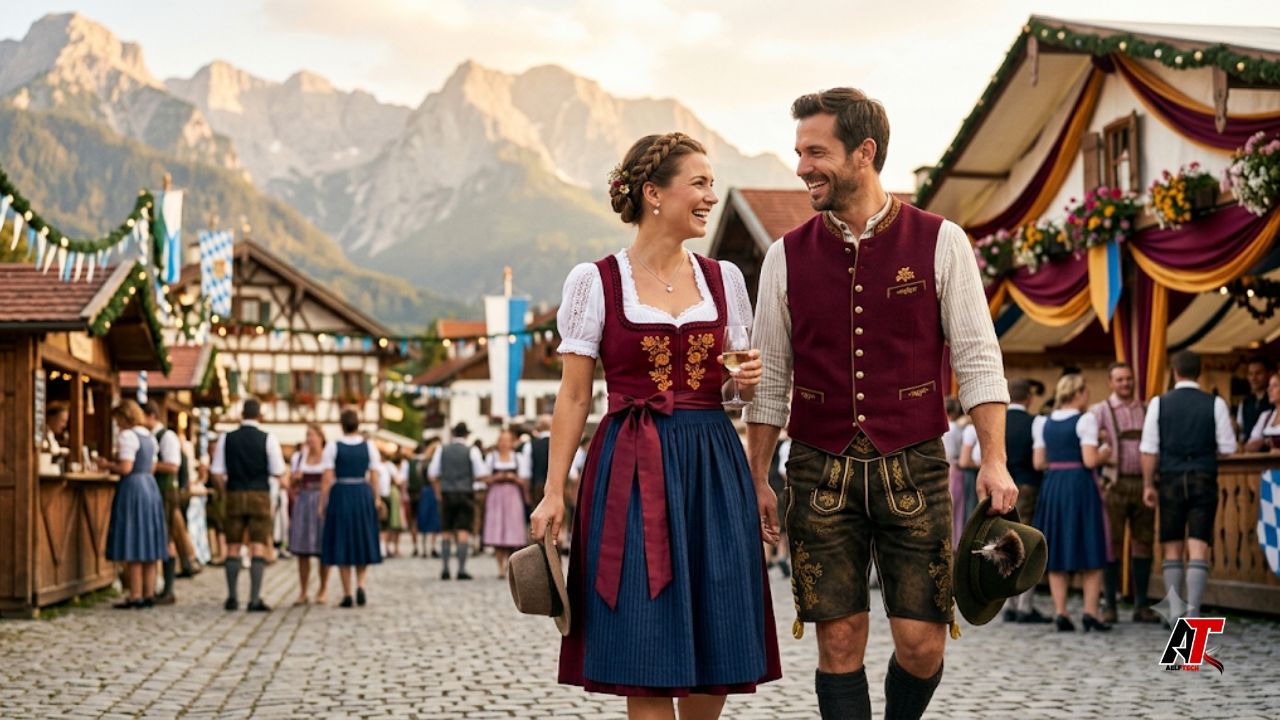
Traditional clothing often carries more meaning than ordinary fashion. It can represent a region, a family story, a craft tradition, or a celebration shared across generations. That is one reason authentic Bavarian Trachten clothing is attracting attention far beyond southern Germany. What was once mainly associated internationally with Oktoberfest is now being appreciated as a complete style tradition built around quality, identity, and careful design.
Dirndls, lederhosen, waistcoats, blouses, jackets, hats, and detailed accessories are appearing at cultural festivals, weddings, themed events, travel celebrations, and even modern lifestyle shoots around the world. Buyers are also becoming more interested in where garments come from, how they are made, and whether they can be worn more than once. Trachten answers many of those questions because the best pieces are visually distinctive, durable, and connected to a real cultural history.
What Does “Trachten” Really Mean?
The word “Tracht” refers broadly to traditional regional dress in German-speaking areas. In Bavaria, the term is commonly linked with garments such as lederhosen for men and dirndls for women, although authentic regional dress includes much more than these two well-known pieces. Jackets made from wool or loden, embroidered waistcoats, checked shirts, traditional shoes, hats, stockings, jewellery, and decorative chains may all form part of a complete outfit.
A dirndl normally combines a fitted bodice, blouse, full skirt, and apron. Lederhosen are leather breeches or shorts, often finished with decorative embroidery and worn with braces, a shirt, socks, and sturdy shoes. Colours, fabrics, cuts, and decorative details can vary by region, occasion, and personal preference. That variety helps explain why Trachten continues to feel alive rather than frozen in one historical form.
A Living Tradition Rather Than a Party Costume
Outside Germany, many people first encounter Trachten through Oktoberfest advertising. This has made the clothing globally recognizable, but it has also created a market for low-quality novelty outfits. Authentic Bavarian Trachten clothing is different. It is designed to look and feel like proper clothing, with considered tailoring, substantial materials, and details that reward closer attention.
In Bavaria, traditional dress may be worn at folk festivals, family celebrations, weddings, community gatherings, religious events, and formal occasions. It can communicate local pride without feeling old-fashioned. Modern wearers often combine heritage pieces with updated colours, softer fabrics, or contemporary accessories. As a result, Trachten remains part of social life instead of existing only in museums or historical photographs.
Why Authentic Bavarian Trachten Clothing Is Winning Global Fans
1. International Festivals Have Created Year-Round Visibility
Oktoberfest-inspired celebrations now take place in cities across North America, Europe, Asia, Australia, and other regions. These events introduce millions of visitors to Bavarian music, food, hospitality, and dress. While some people initially purchase an outfit for a single festival, many discover that a well-made dirndl, lederhosen set, or Trachten jacket can be used for future celebrations as well.
Travel also plays a major role. Visitors to Munich and the Alpine regions often want to participate respectfully in local festival culture. After returning home, their photographs and stories introduce friends and social audiences to the clothing. The result is repeated international exposure built through real experiences rather than conventional advertising alone.
2. The Silhouettes Are Distinctive and Flattering
Trachten is easy to recognize because its silhouettes are strong. A dirndl creates shape through its fitted bodice and full skirt, while the apron adds colour and movement. Lederhosen provide a structured, rugged appearance that can be made more formal with a waistcoat and jacket or more relaxed with a simple shirt.
This clear visual identity works well in photographs, group events, weddings, and social media content. People can coordinate colours without wearing identical outfits, which makes Trachten especially attractive for couples, families, and event groups. The garments feel festive, yet they still offer enough variation for individual taste.
3. Craftsmanship Feels Valuable in a Fast-Fashion Market
Modern shoppers are surrounded by clothing designed for quick trends and short-term use. Against that background, the construction of authentic Bavarian Trachten clothing feels refreshing. Quality lederhosen may use durable leather that develops character with wear. Dirndls can feature carefully fitted bodices, lined fabric, shaped seams, decorative trims, and aprons selected to complement the dress rather than merely cover it.
Embroidery, metal fastenings, horn-style buttons, braided details, and traditional motifs give the garments a handcrafted appearance. Even when pieces are produced at scale, buyers tend to value products that show attention to fabric, fit, and finishing. Specialist retailers offering genuine Bavarian clothing have also made these details easier for customers outside Europe to discover and compare.
4. Heritage Fashion Gives Wearers a Story
People increasingly use clothing to communicate values and identity. A heritage garment offers more than a colour or seasonal trend; it carries a story. For people with German or Alpine family roots, Trachten can create a direct connection with ancestry. For travellers and cultural enthusiasts, it can represent respect for a place they have visited and enjoyed.
5. Social Media Rewards Strong Cultural Visuals
Trachten performs naturally on visual platforms. Alpine settings, festival tents, wooden architecture, flower details, embroidered leather, full skirts, and bold colour combinations create images that are immediately engaging. Influencers, travel creators, photographers, and event organizers use these visual elements to tell a complete lifestyle story in a single frame.
Social media also exposes audiences to more accurate styling. Viewers can see the difference between cheap fancy dress and well-fitted traditional clothing. They can compare long and midi dirndls, classic and contemporary colour palettes, different waistcoats, and more authentic accessories. This education has encouraged many buyers to invest in better pieces.
6. Modern Fashion Has Made Historical References Feel Current
Fashion regularly returns to older forms, fabrics, and construction techniques. Corsetry, full skirts, structured tailoring, folk embroidery, tartan, and historical jackets are repeatedly reinterpreted on modern runways. Designers such as Vivienne Westwood helped demonstrate that traditional references can be transformed into powerful contemporary fashion rather than treated as outdated costume.
Trachten benefits from the same change in attitude. A classic dirndl can look modern when made in a restrained colour palette and paired with simple jewellery. Lederhosen can be styled with a clean white shirt and minimal accessories. Traditional jackets can also work separately with modern trousers or dresses. These combinations help new wearers enter the style gradually.
7. Durability Supports More Conscious Buying
Sustainability has become an important part of fashion conversations, but buyers do not always need a complicated solution. One of the simplest improvements is to purchase fewer garments and wear them for longer. Well-made Trachten supports that approach because it is not tied to one short season. Traditional shapes remain recognizable year after year, and quality materials can handle repeated use when cared for properly.
A durable outfit may also be shared, altered, resold, or passed to another family member. Dirndl aprons and blouses can be changed to refresh the look without replacing the main dress. Shirts, waistcoats, jackets, hats, and jewellery can be mixed across different outfits. This flexibility increases the useful life of each purchase and makes higher quality easier to justify.
8. The Category Offers Options for Every Age and Occasion
The worldwide audience for Trachten is broad because the clothing is not limited to one gender or age group. There are coordinated looks for men, women, children, couples, and families. Styles range from simple cotton dresses and casual leather shorts to luxurious embroidered pieces suitable for weddings and formal celebrations.
That range also makes the clothing useful for event planning. A family can create a coordinated theme while allowing each person to choose a comfortable variation. Businesses, hospitality teams, musicians, and festival groups can use Trachten to create a consistent visual identity. This versatility gives the category more staying power than a single seasonal trend.
What Makes Authentic Trachten Different?
The word “authentic” is often used loosely, so buyers should examine the product rather than relying only on a label. The first sign is construction. A good dirndl should have a shaped bodice, secure seams, a balanced skirt, and an apron that complements the dress. A good pair of lederhosen should feel substantial, allow movement, and include embroidery or hardware that looks integrated rather than cheaply attached.
Materials also matter. Natural leather, cotton, linen blends, wool, velvet, and durable woven fabrics are common in quality garments, although modern collections may use practical blends for comfort and affordability. The goal is not to reject every modern material. It is to choose clothing that feels wearable, holds its shape, and reflects the traditional form.
Fit is equally important. Trachten should be close enough to create its characteristic structure without making movement difficult. Buyers shopping online should check garment measurements, size charts, return policies, and customer guidance instead of assuming their usual size will be correct.
How to Wear Bavarian Trachten Respectfully
Respectful styling begins with treating Trachten as real cultural clothing. Avoid exaggerated plastic accessories, extremely short novelty versions, or combinations that turn the outfit into a joke. Choose pieces that resemble garments people could genuinely wear to a celebration.
Context matters too. Trachten is most natural at Oktoberfest events, Bavarian cultural festivals, German heritage celebrations, weddings with an appropriate theme, travel gatherings, and related community occasions. A wearer does not need Bavarian ancestry, but showing interest in the tradition makes the choice more thoughtful.
Keep the outfit balanced. One strong traditional garment can lead the look. A dirndl often needs only comfortable shoes and simple jewellery. Lederhosen can be paired with a proper shirt, socks, and suitable footwear without excessive props. When in doubt, clean styling usually looks more authentic than adding every accessory at once.
Online Access Has Removed Geographic Barriers
In the past, international customers often had to travel to Germany or rely on a small local costume shop. E-commerce has changed that experience. Shoppers can now compare designs, read sizing information, learn the names of individual pieces, and order complete outfits from specialist retailers.
This access has been especially important in countries with large German heritage communities and popular Oktoberfest events. It allows customers to move from generic costumes toward more accurate clothing. Online guides, videos, and customer photographs also reduce uncertainty about fit and styling.
The Future of Trachten in Global Fashion
Authentic Bavarian Trachten clothing is likely to remain popular because it sits at the meeting point of several lasting interests: travel, cultural celebration, craftsmanship, personal identity, and conscious buying. The category can evolve without losing its foundation. Designers can explore new colours, improved sizing, lighter fabrics, and modern styling while preserving the shapes and details that make Trachten recognizable.
Conclusion
The worldwide popularity of authentic Bavarian Trachten clothing is not an accidental trend. It reflects the appeal of garments that have a clear identity, a practical purpose, and a strong connection to place. Dirndls, lederhosen, waistcoats, jackets, and accessories give wearers a way to celebrate culture while expressing their own style.
International festivals provide visibility, social media spreads the imagery, and online shopping makes quality pieces easier to access. At the same time, growing interest in durability and heritage craftsmanship encourages people to choose clothing they can keep instead of disposable fancy dress.
When Trachten is selected carefully and worn respectfully, it becomes more than an outfit for Oktoberfest. It becomes a lasting expression of celebration, craftsmanship, and cultural appreciation. Readers exploring more global fashion, culture, and lifestyle insights can also visit aelftech.com.
Frequently Asked Questions
Is Bavarian Trachten only appropriate for Oktoberfest?
No. It is also worn at weddings, folk festivals, family celebrations, cultural gatherings, and other special occasions. The correct level of formality depends on the event and the quality of the outfit.
Can someone without German heritage wear a dirndl or lederhosen?
Yes. People from many backgrounds wear Trachten at suitable cultural and festival events. Choosing a respectful, well-made outfit and learning about the tradition helps ensure the clothing is appreciated rather than treated as a joke.
How can I identify high-quality lederhosen?
Look for substantial leather, secure stitching, integrated embroidery, comfortable movement, strong fastenings, and clear sizing guidance. Quality lederhosen should feel like durable clothing rather than a thin costume.
What makes a dirndl look authentic?
A structured bodice, blouse, full skirt, coordinated apron, appropriate length, and balanced fit are key features. Fabric quality and neat construction also make a major difference.
Why is Trachten becoming popular outside Germany? International Oktoberfest events, tourism, social media, heritage communities, online retail, and growing interest in craftsmanship have all introduced Bavarian traditional dress to wider audiences.
Leave a Reply