
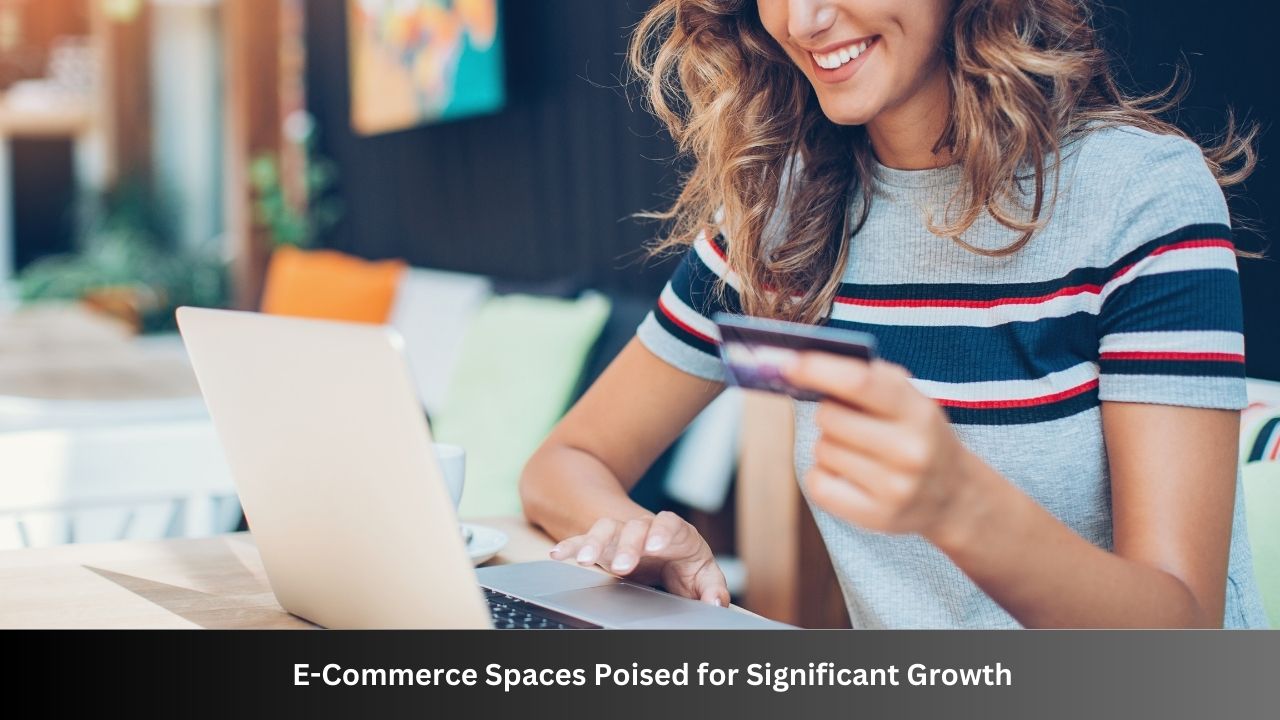
E-commerce doesn’t sit still. The way people shop online keeps shifting as technology speeds ahead, consumer habits twist and turn, and new buying experiences take centre stage. Some retail trends fizzle out, but others pick up steam and completely change how businesses sell and how shoppers decide what lands in their cart.
Right now, three key areas are seeing major action:
- Pet E-Commerce – More people are treating their pets like VIP family members, and the demand for high-end, convenient pet products has soared.
- Livestream Shopping – Watching a live product demo, interacting with sellers in real-time, and making snap purchases is changing the way people buy.
- Chat Marketing – AI-driven conversations through messaging apps and SMS are reshaping customer service and sales, making online shopping feel personal again.
These trends aren’t just passing fads. They reflect deeper shifts in consumer behaviour, with convenience, engagement, and instant gratification at the core. Businesses that move fast to take advantage of these booming areas stand to gain a loyal customer base and an edge over the competition.
Let’s break down each of these high-growth spaces, what’s pushing them forward, and how brands can tap into the momentum.
Pet E-Commerce: A Market That Won’t Slow Down
Pet owners around the world spend billions every year on their furry, feathered, and scaly companions, and online pet retail is taking a bigger and bigger slice of that pie. The global trend of “pet humanisation” has made owners more willing to splurge on everything from gourmet pet food to personalised accessories.
Why Is Online Pet Shopping Booming?
- Pets Are Part of the Family
People aren’t just buying the basics for their pets anymore. They’re shopping for premium kibble with organic ingredients, stylish pet clothing, and even dog-friendly birthday cakes. The pet wellness industry has exploded, with items like calming treats, GPS trackers, and even pet insurance becoming mainstream. - Subscriptions & Auto-Replenishment
Busy pet owners don’t want to run out of food, litter, or flea treatments. Brands that offer subscription models—where customers set up automatic deliveries—are locking in repeat business. Companies like Chewy and PetsForHomes provide tailored subscription services, ensuring pet owners never miss a restock. - Niche & Direct-to-Consumer (DTC) Brands on the Rise
Smaller pet brands are thriving by selling directly to customers through social media, cutting out traditional retail middlemen. They use Instagram, Facebook, and TikTok to showcase their products, often working with pet influencers to boost visibility. - Specialised Pet Marketplaces
Beyond major players like Amazon, pet-specific platforms are carving out space. Chewy dominates in the U.S., while boutique online pet stores like the RPBA Shop are seeing strong growth in Australia and beyond. These platforms cater to pet parents looking for unique, high-quality products that can’t always be found in big-box stores.
For businesses, the takeaway is simple: personalised shopping experiences, subscription models, and social media engagement are the driving forces behind pet e-commerce success. Companies that tap into these trends can secure repeat customers and build strong brand loyalty.
Livestream Shopping: The Future of Digital Retail
Buying things online used to be a static experience—browse, add to cart, check out. But shoppers today crave more than just clicking through product images. They want real-time interaction, demonstrations, and the ability to ask questions before making a purchase. That’s exactly why livestream shopping is shaking up online retail.
This trend blends entertainment with instant purchasing, turning casual viewers into eager buyers. It’s a mix of home shopping networks, social media, and influencer marketing—all rolled into one seamless experience.
Why Is Livestream Shopping Taking Off?
- People Love Watching, Not Just Scrolling
Traditional product pages leave shoppers guessing. A live video, however, shows products in action, making it easier to see size, quality, and functionality. Whether it’s a skincare brand demonstrating how a serum absorbs into the skin or a tech company testing a gadget live, seeing is believing. - Real-Time Interaction Means Higher Trust
When buyers can ask questions and get immediate answers, they feel more confident making a purchase. Unlike pre-recorded videos or generic FAQ pages, livestream shopping makes the buying process feel personal—almost like talking to a shop assistant in-store. - Impulse Buying Is Built Into the Experience
Limited-time discounts, countdown timers, and social proof (seeing other people buy the same product) all create a sense of urgency. Shoppers don’t have time to mull over their decisions—they grab the deal before it’s gone. - Influencers and Celebrities Drive Sales
Social media stars and industry experts are putting a human face to brands, making products more appealing. Whether it’s a beauty guru selling a new lipstick or a chef promoting a kitchen gadget, their endorsement carries weight. Micro-influencers (those with smaller, highly engaged followings) are also proving powerful in niche markets.
Who’s Leading the Charge?
- TikTok Shop & Instagram Live – Social media platforms have baked shopping into their DNA, letting brands and creators sell directly through live videos.
- Amazon Live – A modern take on home shopping TV, Amazon Live lets brands showcase products through influencer-led broadcasts.
- Alibaba & Taobao Live – In China, livestream shopping has been huge for years, with billions in sales generated during events like Singles’ Day.
How Can Businesses Take Advantage?
- Host regular livestreams – Shoppers love consistency. Set a schedule and promote it like an event.
- Use influencers strategically – Find creators who align with your brand to showcase products authentically.
- Incorporate limited-time offers – Flash sales and exclusive discounts make viewers act fast.
- Engage with the audience – Answer questions, do live polls, and interact in real-time to boost engagement.
Livestream shopping isn’t just a passing craze—it’s reshaping how people buy. Brands that embrace it now can ride the wave early, build loyal audiences, and convert casual viewers into lifelong customers.
Chat Marketing: The AI-Powered Sales Assistant
Shopping online has come a long way from waiting days for an email response or dealing with clunky customer service portals. Chat marketing is flipping the script, turning messaging apps into high-powered sales tools that engage customers instantly. Whether through AI-driven chatbots, SMS marketing, or WhatsApp Business, this approach makes shopping feel conversational, immediate, and personalised.
Gone are the days of browsing alone—shoppers can now ask about a product, get recommendations, and even complete purchases without leaving a chat window.
Why Is Chat Marketing Growing So Fast?
- People Want Quick, Personalised Interactions
No one enjoys sifting through web pages or waiting on hold. With chat marketing, customers get answers instantly—whether it’s a chatbot suggesting the right shoe size or a live agent resolving a question about returns. This removes friction from the buying process, making transactions faster and smoother. - AI Can Now Sell as Well as It Supports
AI-powered chatbots aren’t just answering FAQs anymore. They’re offering product suggestions, cross-selling, and guiding customers through checkout. Some brands use AI to analyse past purchases and suggest related items, much like a virtual personal shopper. - Text-Based Shopping Feels Natural
People are already spending hours a day on WhatsApp, Facebook Messenger, and SMS—so businesses are meeting them where they already are. Instead of forcing shoppers to visit a website, brands are bringing the store directly into conversations. - Automation Works 24/7
A chatbot never takes a break. Whether it’s helping a customer at midnight or handling thousands of queries at once, chat marketing allows brands to scale their customer support and sales without hiring a massive team.

Where Is Chat Marketing Being Used?
- E-Commerce Stores – Online retailers use chatbots to suggest products, track orders, and handle returns.
- Social Media Shops – Instagram and Facebook Messenger enable direct buying through conversations.
- SMS & WhatsApp Campaigns – Brands send personalised deals, restock alerts, and abandoned cart reminders straight to customers’ phones.
How Can Businesses Tap Into Chat Marketing?
- Integrate chatbots with e-commerce sites – Automate responses and personalise product recommendations.
- Use messaging apps for direct sales – Make it possible to browse, add to cart, and check out inside a conversation.
- Send targeted SMS campaigns – Offer exclusive deals or remind customers about abandoned carts.
- Blend AI with human support – Let chatbots handle simple queries, but keep real agents available for complex issues.
Chat marketing is bringing back the human touch to online shopping—without slowing things down. Brands that embrace this shift are seeing higher engagement, stronger customer loyalty, and more sales.
Other E-Commerce Niches on the Rise
While pet e-commerce, livestream shopping, and chat marketing are leading the charge, a few other sectors are quietly growing at an impressive pace. These areas reflect deeper shifts in consumer priorities, from sustainability to convenience. Businesses looking to future-proof their e-commerce strategy should keep a close eye on these emerging spaces.
1. Sustainable & Eco-Friendly Shopping
More shoppers are putting their money where their values are, choosing brands that prioritise ethical sourcing, biodegradable packaging, and carbon-neutral shipping. The demand for plastic-free products, upcycled fashion, and zero-waste household goods is pushing retailers to rethink their supply chains.
- What’s Driving It?
- Growing awareness of climate change and environmental impact.
- Younger consumers prefer brands with clear sustainability goals.
- Legislation is tightening around plastic waste and ethical sourcing.
- Opportunities for Businesses:
- Offer eco-friendly packaging and highlight sustainability credentials.
- Sell pre-loved or refurbished goods through dedicated marketplaces.
- Partner with carbon offset programs to appeal to conscious shoppers.
2. Secondhand & Resale Marketplaces
Pre-loved fashion and refurbished tech are no longer just budget-friendly alternatives—they’re mainstream choices. Platforms like Depop, ThredUp, and The RealReal are thriving as shoppers seek sustainable, affordable, and one-of-a-kind items. Luxury resale is also booming, with designer handbags, watches, and sneakers fetching high resale values.
- What’s Driving It?
- Shoppers want high-quality goods at lower prices.
- Sustainable fashion is replacing fast fashion.
- Big brands are launching their own resale programs (e.g., Patagonia’s Worn Wear, Lululemon’s Like New).
- Opportunities for Businesses:
- Offer trade-in programs for secondhand goods.
- Launch a resale section alongside new inventory.
- Use AI to authenticate luxury secondhand items, building trust with buyers.
3. Voice Commerce & Smart Speaker Shopping
Smart speakers like Amazon Alexa and Google Assistant are changing how people shop. More consumers are using voice commands to reorder essentials, check product reviews, and even complete purchases hands-free.
- What’s Driving It?
- Convenience—shoppers can buy without lifting a finger.
- Smart home integration is making voice shopping seamless.
- AI improvements mean voice search is becoming more accurate.
- Opportunities for Businesses:
- Optimise product listings for voice search (use conversational keywords).
- Offer exclusive voice-shopping discounts to encourage adoption.
- Build voice-activated shopping experiences into branded apps or websites.
Conclusion: The Future of E-Commerce Belongs to the Bold
Online shopping is no longer just about finding the best deal or the fastest delivery. Consumers want personalised experiences, real-time engagement, and effortless convenience. The rapid growth of pet e-commerce, livestream shopping, and chat marketing proves that businesses willing to experiment with new ways of selling will be the ones reaping the rewards.
Key Takeaways for Businesses:
- Pet E-Commerce is thriving because people treat their pets like family. Brands that focus on high-quality, subscription-based, or DTC models will continue to grow.
- Livestream Shopping turns online shopping into an interactive event, and brands that leverage influencers, limited-time offers, and real-time engagement will see higher conversion rates.
- Chat Marketing makes customer service feel human again, and businesses that use AI-driven messaging will boost both sales and loyalty.
What Should Businesses Do Next?
- Adopt these trends early – The sooner businesses integrate livestream sales, chat-based shopping, and pet-specific marketplaces, the bigger their head start.
- Stay flexible – Consumer preferences shift fast. Brands that test new e-commerce strategies and adapt based on results will outperform those that hesitate.
- Make shopping easy and engaging – Whether through seamless messaging, influencer-led demos, or auto-replenishment models, frictionless shopping is what customers expect.
What’s in It for Shoppers?
For consumers, these changes mean more tailored recommendations, better product discovery, and a smoother buying experience. Whether they’re looking for the best food for their Cavoodle, scoring a discount through a TikTok livestream, or chatting with an AI assistant for shopping help, online retail is becoming faster, smarter, and more enjoyable.
The e-commerce space isn’t just growing—it’s transforming. Those who embrace these shifts now will be the ones leading the next chapter of online shopping.
Leave a Reply