
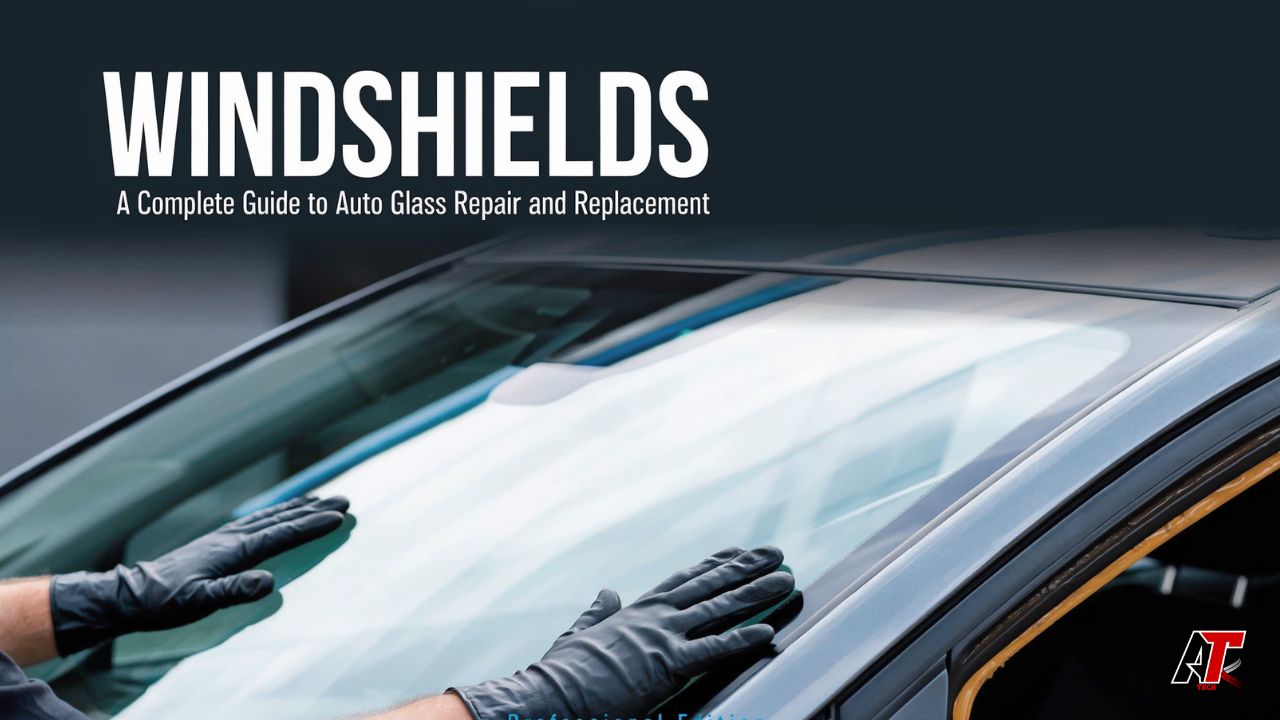
Automotive glass plays a critical role in vehicle safety and structural integrity. Consequently, drivers must understand how to maintain and repair this essential component. When discussing windshields, experts emphasize both visibility and crash protection. Furthermore, modern automotive glass incorporates advanced technologies that require specialized care. Therefore, addressing damage promptly ensures optimal driver safety and vehicle longevity.
The Structural Role of windshields
Many drivers view auto glass merely as a barrier against wind and debris. However, this component provides up to forty-five percent of the vehicle’s structural strength in a front-end collision. Furthermore, it supports the roof to prevent crushing during a rollover accident. Consequently, maintaining glass integrity directly impacts passenger survival rates. Thus, ignoring a small crack compromises the entire vehicle’s safety cage.
Laminated Glass Technology in windshields
Modern vehicles utilize laminated safety glass to prevent shattering. Manufacturers sandwich a layer of polyvinyl butyral (PVB) between two sheets of glass. Therefore, when a rock strikes the surface, the inner plastic layer holds the broken pieces together. Consequently, this design prevents glass shards from injuring occupants during an impact. Additionally, the PVB layer blocks harmful ultraviolet rays and reduces road noise.
Repair vs. Replacement for windshields
When glass sustains damage, drivers must decide between a repair and a full replacement. This decision depends on the size, depth, and location of the damage. Therefore, assessing the chip or crack accurately determines the safest and most cost-effective solution. Generally, chips smaller than a quarter and cracks under three inches qualify for repair. However, damage directly in the driver’s line of sight often requires replacement.
The Process of Rock Chip Repair for windshields
Technicians repair small chips by injecting a specialized resin into the damaged area. First, they clean the break to remove moisture and debris. Next, they use a vacuum tool to force the resin deep into the crack. Then, they cure the resin with ultraviolet light. Consequently, the repair restores structural integrity and minimizes the visual blemish. Thus, prompt repair prevents the crack from spreading across the entire surface.
Advanced Driver Assistance Systems and windshields
Modern automotive glass does much more than keep rain out. Today, many windshields house complex sensors and cameras for Advanced Driver Assistance Systems (ADAS). These systems control lane departure warnings, automatic emergency braking, and adaptive cruise control. Therefore, the glass must meet exact optical standards to ensure these cameras function correctly. Consequently, replacing a windshield equipped with ADAS requires more than just swapping the glass.
The Necessity of ADAS Calibration for windshields
Whenever a technician removes and replaces a windshield with ADAS sensors, the camera alignment shifts. Even a millimeter of deviation can cause the safety systems to fail. Therefore, technicians must perform a dynamic or static calibration after installation. This process recalibrates the cameras to recognize lane markings and vehicles accurately. Furthermore, failing to calibrate the system voids the safety guarantee. Thus, proper calibration ensures the driver assistance features operate exactly as the manufacturer intended.
Signs You Need to Replace Your windshields
Small chips often escalate into major safety hazards if left untreated. Therefore, drivers must recognize the signs indicating immediate replacement is necessary. If a crack spans the entire length of the glass, replacement is unavoidable. Furthermore, damage that penetrates both layers of laminated glass requires a full swap. Additionally, pitting from sand and road debris creates dangerous glare at night. Consequently, severely pitted glass scatters oncoming headlights, blinding the driver.
Assessing Damage Location and Depth on windshields
The location of the damage heavily influences the repair decision. Cracks near the edge of the glass compromise the structural seal. Therefore, edge cracks spread rapidly due to temperature fluctuations and vehicle vibration. Furthermore, damage inside the acute viewing area causes light refraction. This refraction distorts the driver’s perception of the road. Thus, technicians must evaluate both the depth of the penetration and its proximity to the driver’s sightline.
Choosing the Right Auto Glass for windshields
Not all replacement glass offers the same quality. Therefore, consumers must understand the difference between Original Equipment Manufacturer (OEM) and Original Equipment Equivalent (OEE) glass. OEM glass comes from the exact manufacturer that built the original vehicle. It matches the original specifications perfectly. Conversely, OEE glass is made by third-party manufacturers. While cheaper, it may vary slightly in thickness or tint. Consequently, choosing OEM guarantees the ADAS cameras and sensors function without interference.
OEM vs. Aftermarket windshields
Aftermarket glass often costs significantly less than OEM options. However, insurance companies sometimes mandate OEM usage if the vehicle has specific safety sensors. Furthermore, aftermarket glass might lack the acoustic layering found in original factory glass. This lack of acoustic layering results in a louder cabin environment. Therefore, consumers should weigh the cost savings against potential noise increases and sensor compatibility issues. Ultimately, consulting a certified technician ensures the right choice for the specific vehicle model.
Preventing Damage to Your windshields
While not all accidents are preventable, drivers can take proactive steps to protect their auto glass. First, maintain a safe following distance behind large trucks. These vehicles frequently kick up rocks and debris. Furthermore, avoid parking under trees during severe storms to prevent falling branches. Consequently, mindful driving habits significantly reduce the risk of sudden impact damage. Additionally, parking in shaded areas prevents extreme heat expansion, which worsens existing chips.
Maintenance Tips for Long-Lasting windshields
Regular maintenance extends the life of automotive glass. Replace worn wiper blades immediately, as old rubber can scratch the surface. Furthermore, clean the glass with high-quality automotive cleaners rather than harsh household chemicals. Household chemicals can degrade the protective UV coating. Therefore, inspecting the glass weekly for tiny chips allows for quick repairs before they spread. Thus, proactive care keeps the glass clear and structurally sound for years.
The Cost Factors of Replacing windshields
The price of replacing auto glass varies wildly based on several factors. Vehicle make and model play the largest role. Luxury vehicles and modern cars with ADAS features cost significantly more to service. Furthermore, the choice between OEM and aftermarket glass shifts the final bill. Consequently, drivers should obtain multiple quotes from certified technicians. However, choosing the cheapest option often results in poor installation and failed safety sensors.
Navigating Insurance Claims for windshields
Many auto insurance policies include comprehensive coverage that pays for glass damage. Some states even require insurers to offer full glass coverage without a deductible. Therefore, drivers should review their policies before scheduling a repair. Furthermore, filing a claim for a rock chip repair typically does not raise premiums. Conversely, a full replacement might carry a deductible. Thus, understanding insurance benefits helps drivers manage out-of-pocket expenses effectively.
FAQs
1. What makes windshields structurally important?
They provide up to forty-five percent of structural strength in front-end collisions and support the roof during rollovers.
2. When should a rock chip be repaired instead of replaced?
Chips smaller than a quarter and cracks under three inches can usually be repaired if they are outside the driver’s direct line of sight.
3. What is laminated safety glass?
It consists of two glass layers sandwiching a plastic vinyl layer, preventing shattering and keeping occupants inside during impacts.
4. Why is ADAS calibration necessary after glass replacement?
Calibration realigns the cameras and sensors attached to the glass so safety features like lane departure warnings function accurately.
5. What is the difference between OEM and aftermarket glass?
OEM glass matches the exact factory specifications, while aftermarket glass is made by third parties and may vary in tint or thickness.
6. Does car insurance cover rock chip repairs?
Many comprehensive policies cover rock chip repairs fully without a deductible to encourage drivers to fix small damage before it spreads.
Conclusion
Maintaining the structural integrity of windshields is a critical aspect of vehicle safety. By understanding the difference between rock chip repairs and full replacements, drivers can make informed, cost-effective decisions. Furthermore, modern vehicles require precise ADAS calibration after glass replacement to ensure safety sensors function correctly. Choosing high-quality OEM glass and practicing defensive driving habits minimizes the risk of future damage. Ultimately, addressing auto glass damage promptly protects both the vehicle’s occupants and its overall structural longevity.
Leave a Reply