
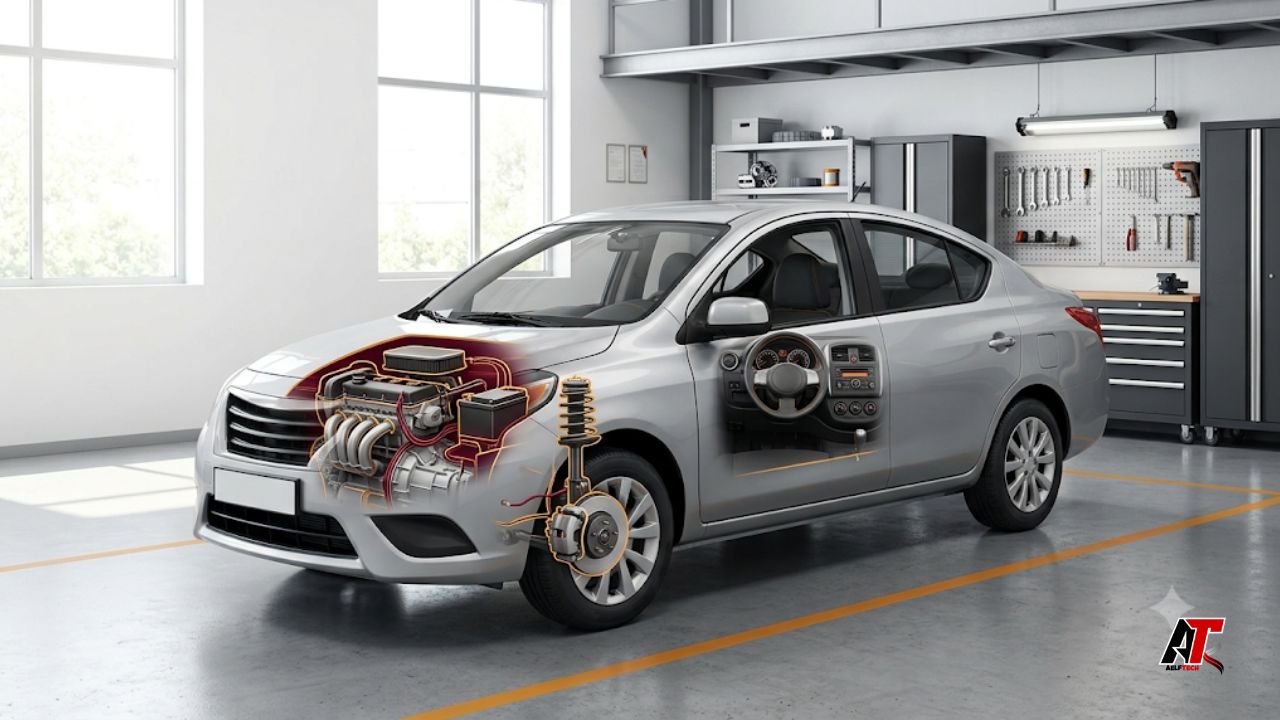
Modern cars offer large touchscreens, connected apps, driver-assistance systems, multiple drive modes, and complicated powertrains. These features can be useful, but many drivers still want something more basic: a car that starts every morning, responds predictably, costs a reasonable amount to maintain, and is easy to understand.
That is why simple engineering in everyday cars remains valuable. Simple engineering does not mean poor design, outdated safety, or weak performance. It means using proven systems, sensible controls, and practical features without adding complexity that does not improve daily driving.
For commuters, families, students, retirees, and small-business owners, this approach can reduce stress and improve long-term value. A well-designed everyday car should make transportation easier, not turn basic tasks into a technical challenge.
What Does Simple Engineering Mean in a Car?
Simple engineering describes a vehicle built around clear needs. Its engine, transmission, suspension, electronics, and cabin controls work together without unnecessary complication. Each system has a useful purpose, and the driver does not need to learn several menus before using normal features.
Examples may include a proven gasoline engine, a conventional automatic transmission, physical controls for common functions, a clear dashboard, and easy access to service items. It can also mean improving dependable parts over several model years instead of replacing them with completely new designs too often.
Simplicity is not the absence of modern technology. Anti-lock brakes, stability control, airbags, rearview cameras, and helpful safety systems can all be included. The difference is that technology supports the driver rather than confusing or distracting them.
Reliability Is Easier to Support
Every vehicle contains thousands of parts. As more sensors, motors, screens, software modules, and connected features are added, there are more possible points of failure. Every extra component must continue working correctly.
A simpler vehicle often uses proven parts with a long service history. Manufacturers and technicians understand how these parts perform over time. Common faults may already be known, repair methods are established, and replacement parts are often easier to find.
This is why many dependable vehicles use powertrains that have been improved gradually. Small updates can correct weaknesses while keeping the strengths of an existing design.
For an owner, reliability also means fewer warning lights, fewer software problems, fewer unexpected repair visits, and more confidence during a daily commute.
Lower Maintenance and Repair Costs
The purchase price is only one part of owning a car. Fuel, insurance, tires, routine service, repairs, and depreciation can cost much more over several years. Simple engineering can help control some of these expenses.
A vehicle with common parts and a familiar design may be easier for independent repair shops to service. Technicians may need less diagnostic time, and parts may be available from several suppliers.
Consider a physical climate-control button compared with a function controlled only through a large integrated screen. If the button fails, the repair may be small. If the screen or control module fails, the cost could be much higher because one unit may manage heating, audio, navigation, cameras, and vehicle settings.
Simple engineering cannot prevent every expensive repair. However, it can reduce cases where a small problem requires a large replacement.
Faster and Clearer Diagnosis
When a car develops a problem, finding the cause can be more difficult than repairing it. A technician may need to review fault codes, sensor readings, wiring, software updates, and mechanical symptoms.
Straightforward systems can make diagnosis faster because there are fewer components to test. This can reduce labor time and lower the risk of replacing parts that do not solve the problem.
Clear diagnosis also builds trust. Owners are more comfortable approving a repair when the technician can explain what failed and what needs to be replaced.
Easy Controls Improve Daily Driving
A car is used in real traffic, not only in a showroom. Drivers adjust temperature, change audio volume, clear fogged windows, turn on lights, and use safety features while watching the road. These actions should be quick and natural.
Physical buttons and knobs are useful because drivers can often operate them by touch. A well-placed control requires less time looking away from traffic. Touchscreen menus may look modern, but they can require several steps for a simple task.
A clear cabin layout also helps new drivers, older drivers, rental users, and anyone who shares a vehicle. Familiar controls reduce the learning curve and allow the driver to focus on the road.
Screens are not always a problem. A responsive display can improve navigation, camera views, and phone integration. The best design often uses screens for information and physical controls for frequent actions.
Predictable Performance Builds Confidence
Everyday cars do not need extreme power or many adjustable settings. They need to respond consistently. Drivers should know how the accelerator, brakes, steering, and transmission will behave in traffic, on a highway, or during poor weather.
Simple engineering supports predictable performance. A smooth engine, a well-matched transmission, and a suspension tuned for normal roads may provide more daily value than aggressive settings or complicated drive modes.
Predictability is especially important for commuters. Sudden throttle response, hesitant gear changes, or inconsistent braking can make a normal trip tiring. A car that behaves the same way each day helps the driver feel relaxed and in control.
Durability Matters More Than Novelty
New features can attract attention, but durability creates long-term value. A feature is useful only when it continues working after years of heat, cold, vibration, moisture, and regular use.
Durability also matters inside the cabin. Strong seat material, clear buttons, solid handles, and easy-to-clean surfaces may offer more value than decorative materials that age poorly. Everyday cars face children, pets, food, work equipment, rain, sand, and frequent use. Practical design should reflect that reality.
Efficiency Without Unnecessary Complexity
Fuel economy depends on more than one advanced feature. Low weight, sensible tire sizes, good aerodynamics, and an engine matched to the vehicle can improve efficiency without making the car difficult to own.
Advanced powertrains can also be worthwhile. A carefully designed hybrid may provide excellent fuel economy and dependable service. The goal is not to avoid all new technology. It is to choose technology that provides a clear benefit and has been tested in real use.
Buyers should look beyond impressive specifications. The complete system and its long-term behavior matter more than one number in a brochure.
Repairability Supports a Longer Vehicle Life
A car provides better long-term value when it can be maintained and repaired for many years. Replacing an entire vehicle because one electronic system becomes too expensive to fix is not efficient for the owner.
Repairable design includes accessible service points, replaceable components, available parts, and systems that are not unnecessarily tied together. When one part fails, the ideal solution is to replace that part instead of a large group of connected components.
This is especially important in smaller towns and rural areas. A vehicle that can be serviced by a qualified local technician is easier to keep on the road.
Simple Cars Can Support Resale Value
Used-car buyers often look for familiar models with a dependable reputation. They prefer vehicles that local shops understand and parts suppliers support. A straightforward design can therefore improve resale confidence.
Recent popular vehicle trends across the U.S. show that shoppers often choose practical, familiar models with strong utility and established resale demand. Popularity does not prove that every vehicle is perfect, but widespread ownership can support better parts availability, more technician experience, and a larger used-car market.
A car that remains understandable and repairable after eight or ten years may appeal to more buyers than a specialized model with aging technology.
Why Local Dealership Support Matters
Simple engineering makes ownership easier, but the seller and service network also matter. A helpful dealership can explain trim differences, practical features, maintenance needs, and new or used options.
Visiting a Car dealership in Swansboro, NC can help a buyer inspect vehicles in person, test the controls, review cargo space, and understand service support. A real test drive often reveals more than a long specification sheet.
Buyers should ask which features are standard, which functions require subscriptions, and whether common repairs need special equipment. Clear answers can separate useful innovation from expensive complexity.
Safety and Simplicity Can Work Together
Safety should never be removed in the name of simplicity. Modern structural design, airbags, stability systems, automatic emergency braking, and blind-spot monitoring can protect drivers and passengers.
The key is thoughtful integration. A safety feature should provide clear warnings, work consistently, and allow the driver to understand what it is doing. Too many alerts can become distracting, while confusing settings may cause drivers to turn useful systems off.
A simple safety interface uses familiar symbols, clear messages, and sensible default settings. The safest car is not always the one with the longest feature list. It is the one whose systems work well and are easy to use correctly.
How to Identify a Simple, Well-Engineered Car
Buyers should not judge simplicity only by age or price. A newer car can be thoughtfully designed, while an older model can contain difficult systems. Use these checks during research and a test drive:
- Test basic controls. Make sure climate, audio, lights, windows, and safety settings are easy to use.
- Research the powertrain. Look for a proven service history instead of assuming newer always means better.
- Review maintenance needs. Check service intervals, tire sizes, and common repair costs.
- Ask about parts availability. Common components and a strong service network can reduce delays.
- Check screen dependence. Find out what happens if the main display or connected service stops working.
- Take a realistic test drive. Use city streets, parking areas, and faster roads when possible.
- Match the car to normal life. Choose space, power, and capability based on regular use.
- Read owner experiences carefully. Look for repeated patterns rather than one review.
A balanced buying process focuses on the complete ownership experience, not only the first impression.
When More Complex Engineering Is Worth It
Complexity is not always a disadvantage. Advanced systems may provide better fuel economy, improved crash protection, greater towing ability, lower emissions, or useful assistance for a specific driver.
A proven hybrid can reduce fuel use during heavy commuting. All-wheel drive may be valuable in difficult weather. Parking cameras can help with a large vehicle, and adaptive cruise control can reduce fatigue on long highway trips.
The important question is whether the benefit is clear, reliable, and relevant. Buyers should avoid paying for complicated features they will rarely use or that add cost without improving everyday life.
The Best Engineering Often Feels Invisible
Great everyday engineering does not demand constant attention. The car starts, steers, stops, shifts, heats, cools, and carries people or cargo without making simple tasks difficult. The driver notices the result more than the technology behind it.
This is why simple engineering in everyday cars remains valuable. It can support reliability, lower ownership costs, easier repairs, clearer controls, predictable performance, and long-term confidence.
For more practical technology, automotive, and consumer guidance, readers can explore aelftech.com.
Conclusion
Simple engineering is not about rejecting progress. It is about using progress carefully. The best everyday cars combine proven mechanical design with modern features that deliver real value. They avoid complexity for its own sake and keep important tasks easy for the driver.
A simple car may not have the longest equipment list or the most dramatic showroom presentation. However, it can be easier to live with, cheaper to maintain, more dependable over time, and less stressful to own.
When choosing a vehicle, look beyond horsepower, screen size, and the number of drive modes. Consider how the car will feel after years of commuting, servicing, family use, and changing weather. The most valuable engineering is often the engineering that quietly works.
Leave a Reply