
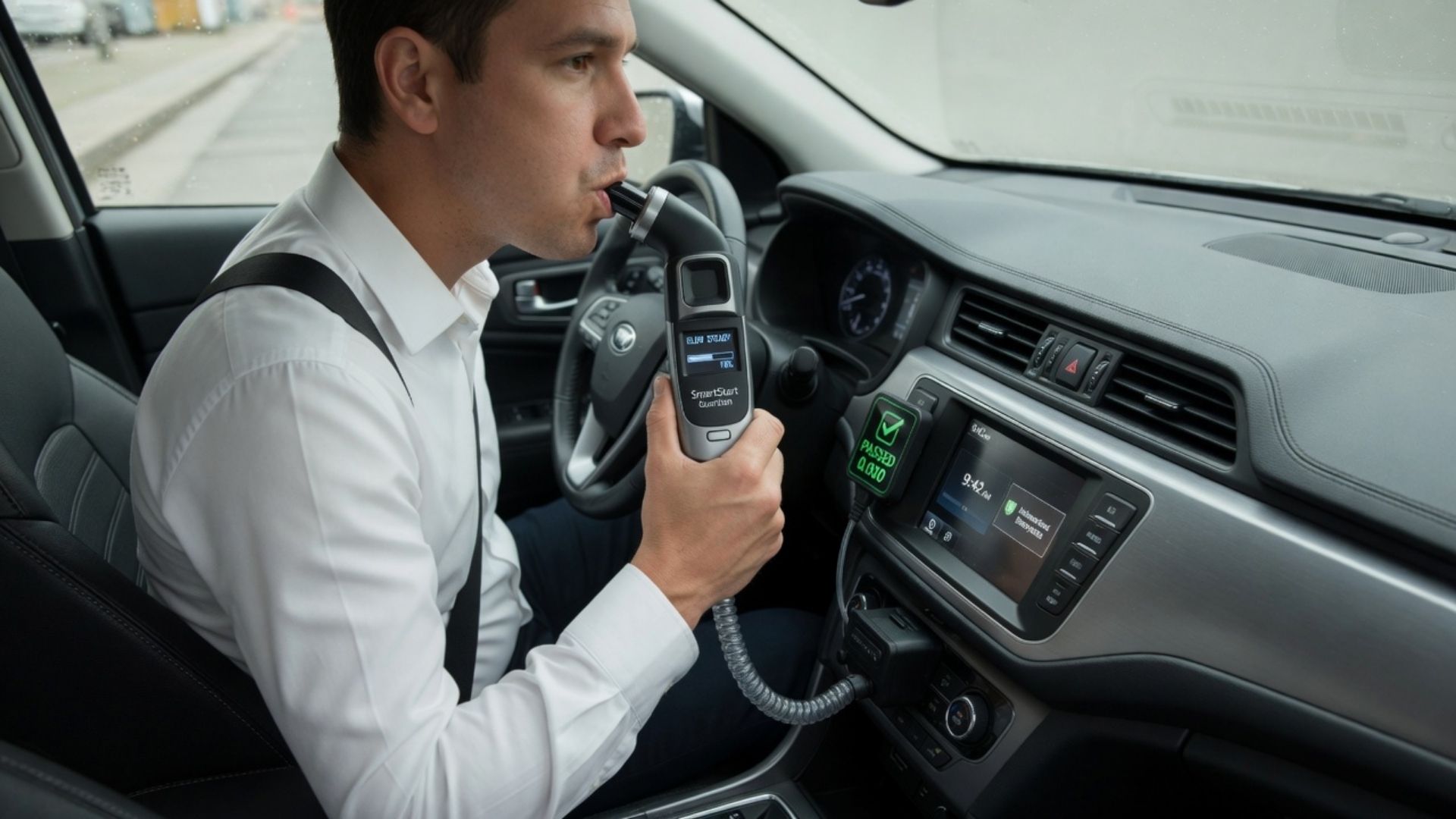
Navigating life after a DUI conviction can feel incredibly overwhelming. Suddenly, you face strict legal requirements and restricted driving privileges. To regain your independence, you must comply with court-ordered mandates. Specifically, this often requires a car breathalyzer installation. This device, officially known as an ignition interlock device (IID), prevents drunk driving by measuring your blood alcohol concentration (BAC) before starting the engine. Consequently, understanding the installation process is crucial for a smooth transition back to legal driving. In this comprehensive guide, we will explore the seven proven steps for a successful setup. Additionally, we will discuss the costs, legal requirements, and common mistakes to avoid. Ultimately, this information empowers you to navigate the process confidently and get back on the road safely.
What is a Car Breathalyzer Installation?
First, it is important to understand exactly what this technology entails. A car breathalyzer installation involves integrating a small breath-testing device directly into your vehicle’s ignition system. When you blow into the mouthpiece, the sensor analyzes your breath for alcohol. If your BAC exceeds the preset limit, the vehicle simply will not start. Therefore, it acts as a vital safeguard against drunk driving. Modern devices also require rolling retests. This means you must provide breath samples periodically while driving. Consequently, the system ensures continuous sobriety behind the wheel. Ultimately, this technology protects both the driver and the public from the dangers of impaired driving.
Why Court-Ordered Car Breathalyzer Installation is Essential
Courts mandate these devices for a very good reason. Primarily, they serve as the most effective tool for drunk driving prevention. Simply taking away a license does not stop determined individuals from driving illegally. However, an ignition interlock device physically prevents impaired driving. Therefore, it keeps the roads significantly safer. Furthermore, it allows individuals to maintain their daily routines. You can still drive to work, school, or medical appointments. As a result, you can meet your legal obligations without complete social isolation.
Avoiding Severe DUI Consequences
Driving under the influence carries incredibly harsh penalties. These penalties include hefty fines, license suspension, and even jail time. Moreover, a second offense brings even more devastating consequences. Fortunately, a car breathalyzer installation helps you avoid these pitfalls. By complying with the interlock program, you demonstrate responsibility to the court. Consequently, you reduce the risk of further legal action. Additionally, the device physically stops you from making a fatal mistake. Thus, it protects your future and your freedom.
Restoring Your Driving Privileges
Losing your driver’s license disrupts your entire life. Fortunately, most states offer a pathway to restricted driving privileges. Specifically, you can obtain a hardship license if you install an IID. This allows you to drive legally during your suspension period. Consequently, you can keep your job and fulfill family responsibilities. The court views the interlock as a condition of your restricted freedom. Therefore, completing the car breathalyzer installation is your first step toward full license restoration.
7 Proven Steps for a Successful Car Breathalyzer Installation
The installation process might seem intimidating at first. However, it is actually a straightforward procedure when you follow the proper steps. By understanding what to expect, you can ensure a quick and compliant setup. Here are the seven proven steps to get your device installed correctly.
Step 1: Verify Your State’s Ignition Interlock Laws
First, you must understand the specific laws in your state. Every state has unique requirements regarding IID usage. For example, some states require the device for first-time offenders. Others only mandate it for repeat violations. Furthermore, the allowable BAC limit can vary. Usually, the limit is set between 0.02% and 0.04%. Therefore, you must consult your court order or a legal professional. This ensures you understand exactly what is required of you. Consequently, you avoid any accidental compliance violations.
Step 2: Find a Certified Interlock Installation Near Me
Next, you cannot simply go to any auto mechanic. You must choose a state-certified installation center. The state must approve the provider to ensure they meet strict legal standards. To find a center, you can search online for an interlock installation near me. However, you must verify their certification before booking. Additionally, some providers offer mobile installation services. This means they come to your location, which saves you time. Ultimately, choosing a certified provider guarantees your installation is legally valid.
Step 3: Schedule Your Vehicle Alcohol Detection Appointment
Third, you need to schedule your appointment promptly. Courts typically impose strict deadlines for car breathalyzer installation. Therefore, you should call the certified center as soon as possible. When you call, have your court orders and vehicle information ready. The technician will need to know your car’s make, model, and year. Furthermore, they will ask about the specific device requirements from the court. Consequently, they can prepare the correct equipment before you arrive. By doing this, you ensure the process goes smoothly.
Step 4: The Physical Car Breathalyzer Installation Process
Fourth, the actual physical installation takes place. Typically, this process takes about one to two hours. First, the technician wires the device into your vehicle’s ignition system. They connect the relay to the starter wire. Consequently, the car cannot start if the device detects alcohol. Next, they mount the handset in a convenient location. Usually, they place it on the dashboard or center console. Finally, they install the camera and GPS unit if required by your state. These extra features verify the identity of the person providing the breath sample. Ultimately, the technician ensures all components are securely and discreetly installed.
Step 5: Calibration and BAC Monitoring Setup
Fifth, the technician must calibrate the device. This is a highly critical step in the car breathalyzer installation process. The technician sets the specific BAC limit according to your court order. They also program the device to recognize your specific vehicle parameters. Furthermore, they test the system to ensure it reads accurately. If the reading is off by even a small margin, it can cause major problems. Therefore, precise calibration is essential for avoiding false positives. Consequently, you can trust the device to function correctly.
Step 6: Training and Rolling Retests
Sixth, the installer will train you on how to use the device. They will teach you the proper technique for blowing into the mouthpiece. Typically, you must blow, hum, and inhale in a specific pattern. This pattern prevents someone from using an air pump to cheat the system. Additionally, the technician will explain how rolling retests work. After you start driving, the device will randomly prompt you for another breath sample. You will have a few minutes to provide it. Fortunately, you can pull over safely to do this. Therefore, you will not be distracted while driving.
Step 7: Regular Maintenance and Calibration Checks
Finally, the installation is just the beginning of your obligations. You must maintain the device regularly. Usually, the state requires calibration checks every 30 to 60 days. During these visits, the technician downloads the data log from your device. This log records every breath sample, start attempt, and engine shut-off. Then, they send this data to your monitoring authority. Furthermore, they recalibrate the sensor to ensure ongoing accuracy. Consequently, missing a maintenance appointment is a serious violation. Therefore, you must stay on top of your service schedule.
The True Cost of Car Breathalyzer Installation
Naturally, one of the biggest concerns for drivers is the expense. Unfortunately, the cost of a car breathalyzer installation is entirely your responsibility. You must pay for the device, the installation, and the ongoing maintenance. However, understanding the breakdown of these costs helps you budget accordingly. Ultimately, the price is a small fee compared to the cost of another DUI.
Upfront Installation Fees
Initially, you will face the upfront installation fee. Typically, this cost ranges from $70 to $150. This fee covers the physical hardware and the labor to wire it into your vehicle. Additionally, some companies charge an application or activation fee. Therefore, you should ask about all potential hidden costs before signing a contract. Furthermore, some providers offer discounts if you pay for several months in advance. Consequently, it pays to shop around and compare prices.
Monthly Monitoring and Calibration Costs
Beyond the initial fee, you must pay for monthly monitoring. This fee usually ranges from $60 to $90 per month. It covers the data reporting to the state and the insurance on the device. Additionally, you must pay for the periodic calibration checks. These visits typically cost around $30 to $50 each. Therefore, the total monthly cost can add up quickly. However, strict compliance is necessary to avoid further legal trouble. Ultimately, viewing this as an investment in your freedom helps ease the financial burden.
How to Live with an Ignition Interlock Device
Adjusting to life with an IID requires some lifestyle changes. However, these changes are manageable with the right mindset. First, you must plan extra time for your commute. You will need time to perform the initial breath test and any rolling retests. Second, you must be mindful of what you consume. Even trace amounts of alcohol can trigger a failed test. Therefore, always read labels carefully. Furthermore, you should keep your vehicle clean and free of alcohol containers. If a police officer pulls you over, open containers in the car will cause major legal issues. Ultimately, treating the device with respect ensures a smooth and trouble-free experience.
Common Mistakes to Avoid After Car Breathalyzer Installation
Once your device is installed, you must be incredibly vigilant. The IID is highly sensitive, and honest mistakes can trigger severe penalties. Therefore, understanding what not to do is just as important as knowing what to do. By avoiding these common pitfalls, you can ensure a smooth interlock period.
Accidental Fails from Mouth Alcohol
The most common mistake is triggering a false positive from mouth alcohol. The device is extremely sensitive to any alcohol residue in your mouth. Therefore, you must be careful with everyday products. For instance, many mouthwashes and cold medicines contain alcohol. If you use them right before driving, the device will detect the alcohol. Consequently, your car will not start. Furthermore, certain foods like ripe fruit or protein bars can ferment in your mouth. To avoid this, always rinse your mouth with water before blowing. Additionally, wait at least 15 minutes after eating or drinking anything before you attempt to start your car.
The Serious Consequences of Tampering
Another major mistake is attempting to tamper with the device. Some people try to disconnect the IID or ask someone else to blow into it. However, this is a terrible idea. Modern devices feature advanced anti-circumvention technology. They include cameras that take your picture during every breath sample. Furthermore, the device logs the exact time and location of each test. If the system detects tampering, it immediately alerts your monitoring authority. Consequently, you could face extended interlock requirements, license revocation, or even jail time. Therefore, never attempt to cheat the system.
Choosing the Right Provider for Car Breathalyzer Installation
Selecting the right service provider is crucial. The quality of your installation directly impacts your daily life. A poorly installed device can cause electrical issues. It can also lead to frequent false positives. Therefore, you must choose a reputable, state-certified provider. Look for a company with extensive experience in ignition interlock devices. Furthermore, read customer reviews to gauge their reliability and customer service. A good provider will offer clear instructions, transparent pricing, and reliable support. Ultimately, they will make the entire process as stress-free as possible.
Conclusion
Facing a DUI conviction is undoubtedly challenging. However, a car breathalyzer installation offers a clear path forward. By following the seven proven steps outlined in this guide, you can ensure a smooth and compliant installation process. Remember to verify your state laws, choose a certified provider, and maintain your device regularly. Furthermore, always avoid mouth alcohol and never attempt to tamper with the system. Ultimately, this device is your ticket to restoring your driving privileges and reclaiming your independence. By embracing the process responsibly, you can put this difficult chapter behind you and move toward a safer future.
Frequently Asked Questions (FAQs)
1. What is a car breathalyzer installation?
A car breathalyzer installation involves wiring an ignition interlock device into your vehicle, which requires you to pass a breath test before the engine starts.
2. How long does the installation process take?
Typically, a professional car breathalyzer installation takes about one to two hours to complete, depending on the vehicle’s make and model.
3. Can I install a car breathalyzer myself?
No, you cannot install it yourself. State laws require a certified technician to perform the installation to ensure proper calibration and legal compliance.
4. What happens if I fail a rolling retest?
If you fail a rolling retest, the device will log the violation and honk the horn, but it will not shut off the engine while driving for safety reasons.
5. Will mouthwash trigger a false positive?
Yes, alcohol-based mouthwash can trigger a false positive. Therefore, you should always use alcohol-free products before blowing into the device.
6. How much does a car breathalyzer installation cost?
The upfront installation typically costs between $70 and $150, with additional monthly monitoring and calibration fees ranging from $60 to $90.!
Leave a Reply