
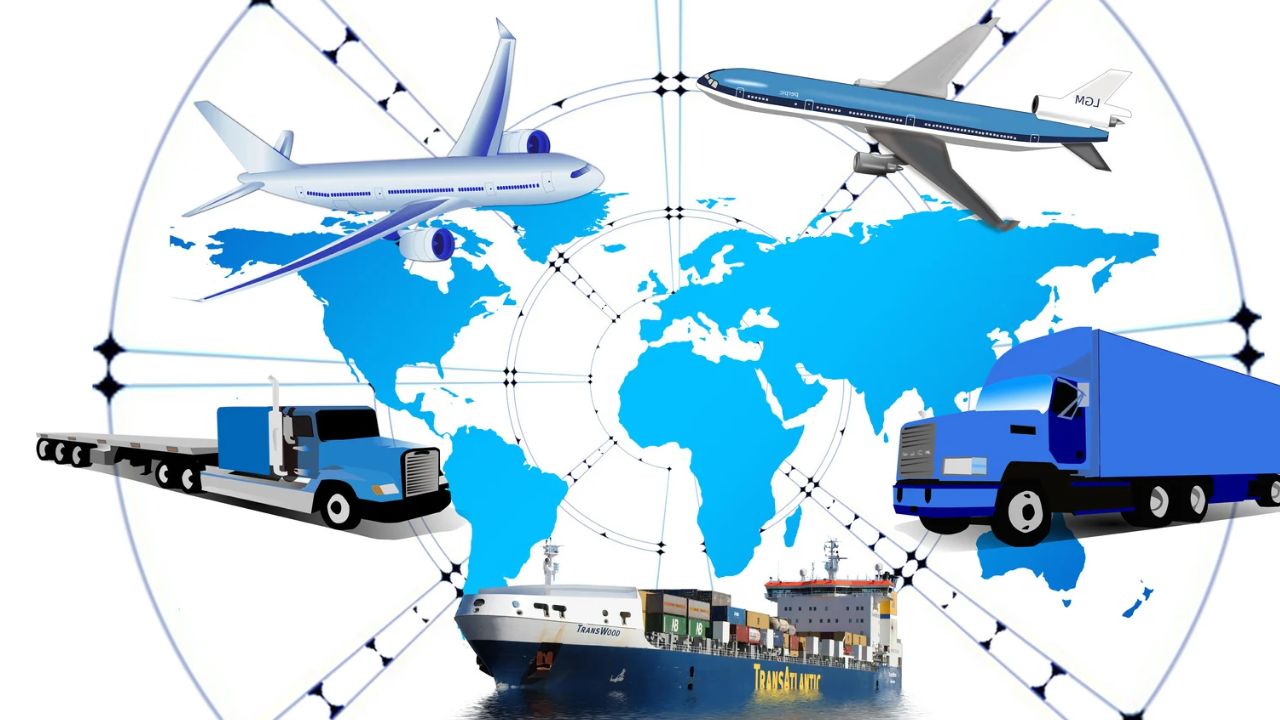
Selling to customers in another country or buying from overseas suppliers can open up significant opportunities for a business. However, international shipments often come with unexpected challenges, including missing paperwork, unexpected duties, and goods held up at the border. These concerns are familiar to businesses operating in major trade hubs such as Chicago, Illinois, where international supply chains connect companies with markets around the world.
The good news is that many of these problems can be avoided. With accurate documentation, correct product classifications, expert guidance, and careful cost planning, cross-border trade becomes easier to manage. Let’s look at how businesses can simplify these processes.
1. Understand the Requirements of Each Market
Every country has its own import and export regulations, customs procedures, product restrictions, and tax requirements. Businesses entering new markets must understand these differences before shipping goods to avoid unexpected complications.
For example, a product that can be imported into one country may require additional permits, certifications, or inspections in another. Import duties and taxes can also vary depending on product classification, country of origin, and applicable trade agreements.
Before entering a new market, businesses should:
- Research the destination country’s import and export regulations.
- Check product classifications and applicable tariff rates.
- Identify licensing, certification, and permit requirements.
- Review relevant free trade agreements and duty preferences.
- Understand local product labeling, packaging, and safety standards.
Preparing for these requirements early helps businesses estimate landed costs, make informed purchasing decisions, and avoid preventable shipment disruptions.
2. Keep Customs Documentation Accurate and Organized
International shipments require specific documents that allow customs authorities to verify goods and determine whether they meet applicable regulations. Missing, incomplete, or inconsistent information can delay clearance and create additional administrative work.
Common documents include commercial invoices, packing lists, bills of lading, certificates of origin, and relevant import or export permits. Requirements depend on the goods, destination, and applicable trade rules.
Businesses can improve documentation management by establishing standardized procedures for preparing and reviewing shipping records. Product descriptions, quantities, declared values, classification codes, and country-of-origin details should remain consistent across relevant documents.
Maintaining organized digital records also makes it easier to retrieve shipment information, respond to customs inquiries, and prepare for compliance reviews. Assigning responsibility for checking documents before dispatch can further reduce errors.
3. Work With Experienced Customs Professionals
Customs procedures can become particularly challenging when businesses operate across multiple countries with different regulatory systems. Keeping up with classification rules, duty requirements, customs declarations, and changing trade policies requires specialized knowledge.
Working with experienced customs professionals can help businesses manage these responsibilities more efficiently. Companies seeking international customs brokerage services can benefit from professional assistance with customs documentation, shipment clearance, regulatory requirements, and duty management.
A knowledgeable customs partner can also help identify potential compliance issues before they affect shipments. This can be particularly useful for businesses handling frequent imports and exports or managing complex international supply chains.
However, businesses should remember that using a customs broker does not automatically transfer all compliance responsibilities. Importers and exporters must still ensure that the information provided for their shipments is accurate and that their legal obligations are met.
4. Coordinate Logistics and Transportation
Efficient international trade depends on more than successful customs clearance. Businesses must also coordinate transportation schedules, warehouse operations, suppliers, carriers, and delivery arrangements.
Poor coordination can result in missed delivery windows, higher storage costs, and inventory shortages. A structured logistics strategy helps companies maintain better control over the movement of goods.
Some useful practices include:
- Comparing air, ocean, and ground transportation based on cost, delivery time, and cargo requirements.
- Establishing clear communication channels with suppliers, carriers, and logistics partners.
- Planning inventory levels around realistic shipping schedules.
- Monitoring shipments to identify potential disruptions early.
- Maintaining alternative transportation arrangements for critical shipments.
Businesses should consider the complete journey of a shipment, including its origin, border clearance, warehousing, and final delivery. Looking at the entire supply chain makes it easier to identify inefficiencies and improve coordination.
5. Use Technology to Improve Trade Operations
Managing international shipments through disconnected spreadsheets, emails, and manual records can become difficult as a business expands. Digital tools offer a more organized way to manage information and monitor trade activities.
Trade management platforms can help businesses centralize shipment records, organize customs documentation, track shipment progress, and maintain compliance information. When integrated with existing enterprise resource planning (ERP) or inventory management systems, these tools can also reduce duplicate data entry.
Businesses can benefit from technology in several ways:
- Shipment visibility: Tracking tools provide updates on shipment progress and potential delays.
- Document management: Digital records make important trade documents easier to access and review.
- Process automation: Automated workflows reduce repetitive administrative tasks.
- Data analysis: Shipment and duty information can help identify recurring costs and operational bottlenecks.
The objective is not simply to adopt more software. Businesses should choose tools that address their operational challenges and work effectively with existing systems.
6. Monitor Regulatory Changes and Review Processes
International trade regulations are not static. Tariff adjustments, new trade agreements, licensing requirements, and changes in customs procedures can affect how businesses move goods across borders.
Companies should regularly review their import and export processes rather than relying on procedures developed several years earlier. This includes checking product classifications, reviewing supplier information, monitoring duty changes, and evaluating whether existing compliance controls remain appropriate.
It is also useful to establish a process for communicating regulatory updates across procurement, finance, logistics, and compliance teams. When employees understand how a regulatory change affects their responsibilities, businesses can respond more effectively.
The U.S. Customs and Border Protection agency provides guidance for new importers and exporters, covering import requirements, commodity-specific regulations, documentation, and customs procedures. Reviewing official guidance can help businesses understand their responsibilities when trading with the United States.
Conclusion
International trade doesn’t have to feel overwhelming. Most delays and extra costs come from a few common issues, such as incomplete paperwork, wrong product codes, and unplanned fees. By getting these basics right, using helpful tools, and working with experienced customs professionals when you need support, your business can move goods across borders with more confidence. That leaves you more time to focus on serving customers and growing into new markets.
Frequently Asked Questions
1. What are the biggest challenges in international trade?
Common challenges include changing customs regulations, documentation errors, import duties, transportation delays, and differences in country-specific trade requirements.
2. How can businesses reduce customs clearance delays?
Businesses can reduce avoidable delays by preparing accurate documentation, using correct product classifications, understanding destination-country requirements, and coordinating with experienced customs professionals.
3. Why is technology important in cross-border operations?
Technology helps businesses organize trade documents, monitor shipments, automate repetitive tasks, and improve visibility across international supply chains.
4. How can small businesses manage international shipping more efficiently?
Small businesses can start by researching destination markets, planning shipment schedules, maintaining organized records, and working with reliable logistics and customs partners.
Leave a Reply