
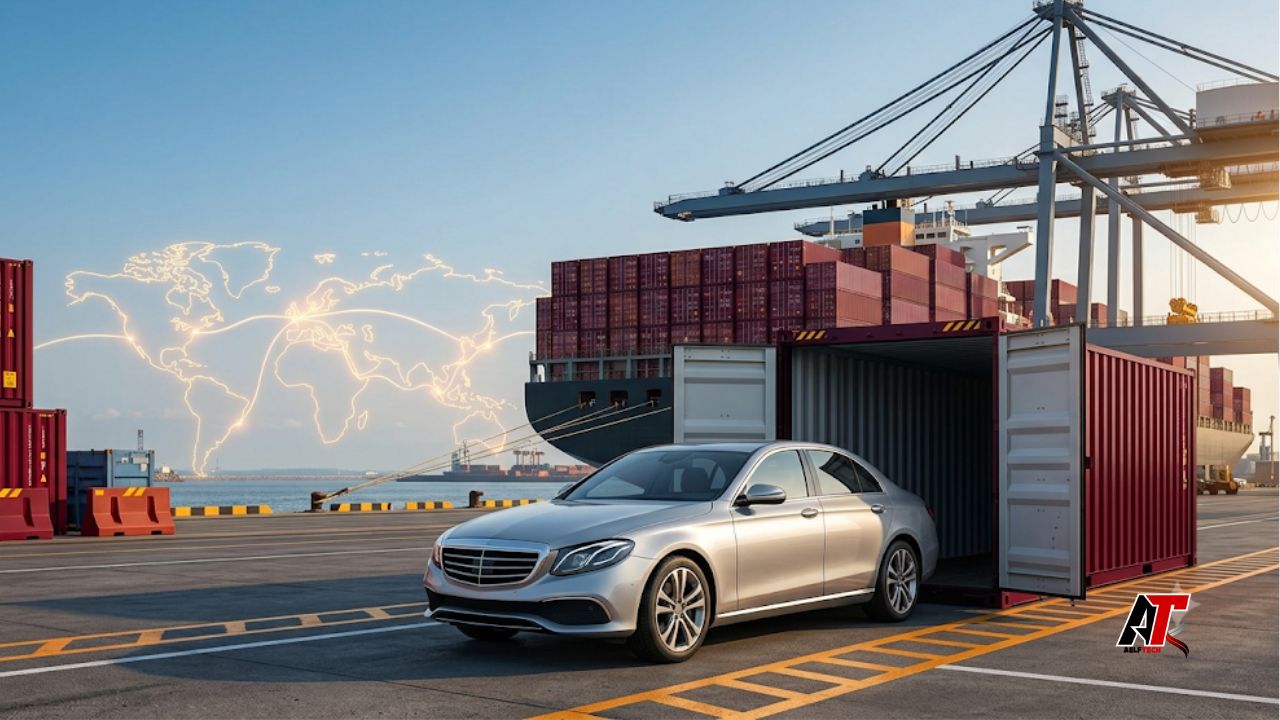
Shipping your car overseas can feel complicated at first. You may be worried about paperwork, customs rules, shipping costs, port delays, insurance, or the condition of your vehicle when it arrives. The good news is that international car shipping becomes much easier when you understand the process and prepare each step in advance.
Whether you are relocating for work, moving abroad with your family, selling a vehicle to an international buyer, returning home after studying, or transporting a classic car, the same basic principles apply. You need the right shipping method, complete documents, a reliable transport company, and a clear understanding of the destination country’s import rules.
Professional vehicle shipping specialists such as Ship Cars Ltd can help explain the collection, port, customs, and delivery stages. However, it is still important to understand the process yourself so you can compare quotes, avoid unnecessary charges, and make informed decisions.
Why People Ship Cars Overseas
People ship vehicles internationally when relocating, returning home, selling to an overseas buyer, or transporting a rare, luxury, modified, or classic car. Businesses may also move vehicles for resale, auctions, exhibitions, motorsport events, or fleet use.
Before making a booking, compare the total cost of shipping with the cost of selling your vehicle and buying another one at the destination. Include import duty, taxes, registration, roadworthiness inspections, port fees, inland transport, and possible vehicle modifications. Shipping may still be worthwhile, but the full calculation gives you a more realistic answer.
Choose the Right International Shipping Method
The shipping method affects the cost, transit time, security, and ports available. The three most common choices are roll-on/roll-off shipping, container shipping, and air freight.
Roll-On/Roll-Off Shipping
Roll-on/roll-off, often called RoRo, is a common and cost-effective option for standard vehicles. The car is driven onto a specialist vessel, secured inside, and driven off at the destination port. RoRo usually has fewer packing requirements and may be cheaper than a dedicated container. However, you normally cannot leave personal belongings inside the vehicle, and sailings are limited to ports with RoRo facilities.
Container Shipping
Container shipping offers more physical protection because the vehicle is secured inside a sealed container. A private container is suitable for high-value, classic, modified, or non-running cars. A shared container can reduce the price because several vehicles share the same space. Container shipping may also allow approved spare parts or household items to travel with the car, although rules vary by carrier and destination.
Air Freight
Air freight is the fastest method, but it is usually the most expensive. It is mainly used for urgent delivery, racing vehicles, rare cars, prototypes, or extremely valuable vehicles. For most private customers, sea freight provides a better balance between cost and practicality.
Check the Destination Country’s Import Rules
Every country has its own vehicle import laws. A car that can be registered easily in one country may face restrictions in another. Check rules related to vehicle age, left-hand or right-hand drive, engine size, emissions, safety standards, ownership period, roadworthiness, and permanent or temporary imports.
Some destinations charge high import duty or require approval before the vehicle leaves its origin country. Others may offer exemptions for returning residents, diplomats, temporary workers, or people moving their permanent residence. Never assume that a vehicle is eligible simply because a shipping company can transport it. Transport approval and legal import approval are two different things.
Prepare the Required Documents Early
Missing or incorrect paperwork is one of the most common causes of delays. The exact list depends on the origin and destination, but you may need the original vehicle registration document, proof of ownership, purchase invoice, passport copy, driving licence, export declaration, bill of lading, customs forms, insurance documents, and destination import approval.
If the vehicle is financed, leased, or owned by a company, you may need written permission from the legal owner. Names, vehicle identification numbers, registration details, and addresses should match across all documents. Send clear copies when requested, but keep the originals safe because customs authorities may require them at the destination.
How to Prepare Your Car for Overseas Shipping
Good preparation protects the vehicle and makes port inspections easier. Wash the exterior so existing marks, scratches, or dents can be seen clearly. Take dated photographs and a short video from every angle, including the wheels, roof, interior, dashboard, mileage, and fuel level. These records are useful if you need to make an insurance claim.
- Remove valuables, loose accessories, electronic toll tags, and personal documents.
- Leave only the amount of fuel allowed by the carrier, often around one-quarter of a tank or less.
- Check for fluid leaks and repair serious mechanical problems before collection.
- Ensure the battery is secure, tyres are properly inflated, and the parking brake works.
- Disable alarms and provide clear instructions for immobilisers, trackers, or special starting procedures.
- Remove or secure roof racks, antennas, spoilers, and other detachable exterior parts.
- Keep one set of keys and provide the required spare set to the shipping company.
Do not use the car as an unapproved moving box. Personal goods can create customs problems, increase inspection time, invalidate insurance, or lead to extra handling fees. Ask the carrier for written confirmation before placing any item inside the vehicle or container.
Understand the Full Cost of Shipping
The shipping quote is only one part of the final cost. Prices can vary based on the route, vehicle size, shipping method, port schedule, fuel costs, season, collection address, destination delivery, insurance level, and customs services. Larger vehicles usually cost more because they take up additional space.
Ask whether the quotation includes collection, export handling, terminal fees, documentation, customs clearance, marine insurance, destination charges, storage, inspection, duty, taxes, and final delivery. A low headline price may become expensive if important services are excluded. Request a written, itemised quote and ask which charges could change later.
Select a Reliable Car Shipping Company
A trustworthy provider should explain the route, method, estimated schedule, documentation, insurance, payment terms, and destination process in plain language. Look for a real business address, clear contact details, experience on your chosen route, and transparent terms and conditions. Be cautious if a company pressures you to pay immediately, refuses to provide written details, or gives a price that is far below every other quote.
For customers comparing international routes, a provider with worldwide coverage may be helpful because it can coordinate different ports, carriers, customs agents, and inland delivery partners. Even then, ask who is responsible for each stage and who you should contact if the shipment is delayed.
Do Not Ignore Marine Insurance
Standard carrier liability may be limited and may not cover the full value of your vehicle. Marine cargo insurance can provide wider protection against loss or damage during international transport. Check whether the policy is based on the vehicle’s market value, agreed value, or declared value. Also review the excess, exclusions, claim deadline, and whether loading, unloading, port storage, and inland transport are included.
Photographs, inspection reports, invoices, and proof of value should be stored safely. If damage is visible at delivery, report it immediately and write it on the collection or delivery document before signing. Waiting several days can make a claim more difficult.
What Happens at the Port?
After collection or vehicle drop-off, the car is checked, processed for export, and delivered to the departure terminal. Port staff or the shipping agent may inspect the vehicle and confirm its condition. Once loaded, the carrier issues shipping documents, including the bill of lading, which acts as an important transport record.
Transit times are estimates. Weather, port congestion, customs inspections, vessel changes, holidays, and route disruptions can affect the schedule. Ask how tracking updates are provided and whether the estimate covers port-to-port or door-to-door delivery.
Customs Clearance and Vehicle Collection
When the vehicle reaches the destination, it must be discharged, processed by customs, and released. You may need to pay duty, tax, port fees, inspection charges, or agent fees before collection. Some countries also require emissions testing, safety checks, registration inspections, or vehicle modifications before the car can be driven legally.
Arrange customs clearance before arrival whenever possible. Vehicles left at the port can collect daily storage charges, and these fees can rise quickly. Confirm which documents must be presented, who will collect the car, and whether temporary insurance or transport plates are required for the journey from the port.
Common Mistakes to Avoid
- Booking transport before confirming that the vehicle is legally importable.
- Choosing the cheapest quote without checking destination and port charges.
- Leaving paperwork until the final week.
- Putting personal belongings in the car without written approval.
- Assuming standard carrier liability is the same as full marine insurance.
- Failing to photograph the vehicle before collection.
- Ignoring customs deadlines and allowing storage charges to build up.
A Simple Step-by-Step Shipping Plan
1. Confirm import eligibility: Check the destination country’s legal, tax, safety, age, and registration rules.
2. Compare the true cost: Include shipping, duty, taxes, insurance, port fees, inspections, and delivery.
3. Choose a shipping method: Select RoRo, container shipping, or air freight according to your budget and vehicle type.
4. Get itemised quotations: Compare what is included rather than looking only at the headline price.
5. Prepare documents: Make sure every name, number, date, and vehicle detail is accurate.
6. Prepare and photograph the car: Remove loose items, check its condition, and keep evidence.
7. Track the shipment: Stay in contact with the agent and prepare for customs before arrival.
8. Clear and register the vehicle: Pay required charges, complete inspections, and arrange legal road use.
The team at aelftech.com recommends keeping all quotes, documents, photographs, payment receipts, and contact details in one digital folder. This simple habit makes it easier to answer customs questions, follow the shipment, and resolve any issue quickly.
Frequently Asked Questions
How long does it take to ship a car overseas?
The timing depends on the route, vessel schedule, shipping method, port congestion, and customs process. Sea freight may take several weeks, while air freight is much faster. Always ask whether the estimate covers port-to-port shipping or the full door-to-door service.
Can I leave personal items inside my car?
Many RoRo carriers do not allow personal belongings. Container carriers may permit certain items, but customs and insurance restrictions still apply. Get written approval before loading anything that is not part of the vehicle.
Is container shipping safer than RoRo?
A sealed container gives the vehicle more physical separation and can be a good choice for valuable or classic cars. RoRo is also widely used and can be reliable, but the best option depends on the route, budget, and vehicle.
Do I need insurance when shipping my car?
Marine insurance is strongly recommended because carrier liability may be limited. Review the insured value, excess, exclusions, covered stages, and claim process before the vehicle is collected.
What documents are needed for international car shipping?
Common documents include vehicle registration, proof of ownership, passport, purchase invoice, export forms, shipping documents, and destination import approval. Requirements vary, so confirm the exact list for your route.
Can a non-running car be shipped overseas?
Yes, many companies can transport non-running vehicles, especially in containers. However, special loading equipment may be needed, and the cost can be higher. Tell the shipping company about the vehicle’s condition before receiving a quote.
Final Thoughts
Shipping a car overseas does not have to be stressful. The process becomes manageable when you confirm import eligibility, compare complete costs, choose the right transport method, prepare accurate documents, insure the vehicle properly, and plan customs clearance before arrival.
Take your time when comparing shipping companies and ask questions whenever a charge, document, or responsibility is unclear. A reliable provider should also explain each stage clearly. With careful preparation, your vehicle can reach its new destination without unnecessary delays or surprises.
Leave a Reply