
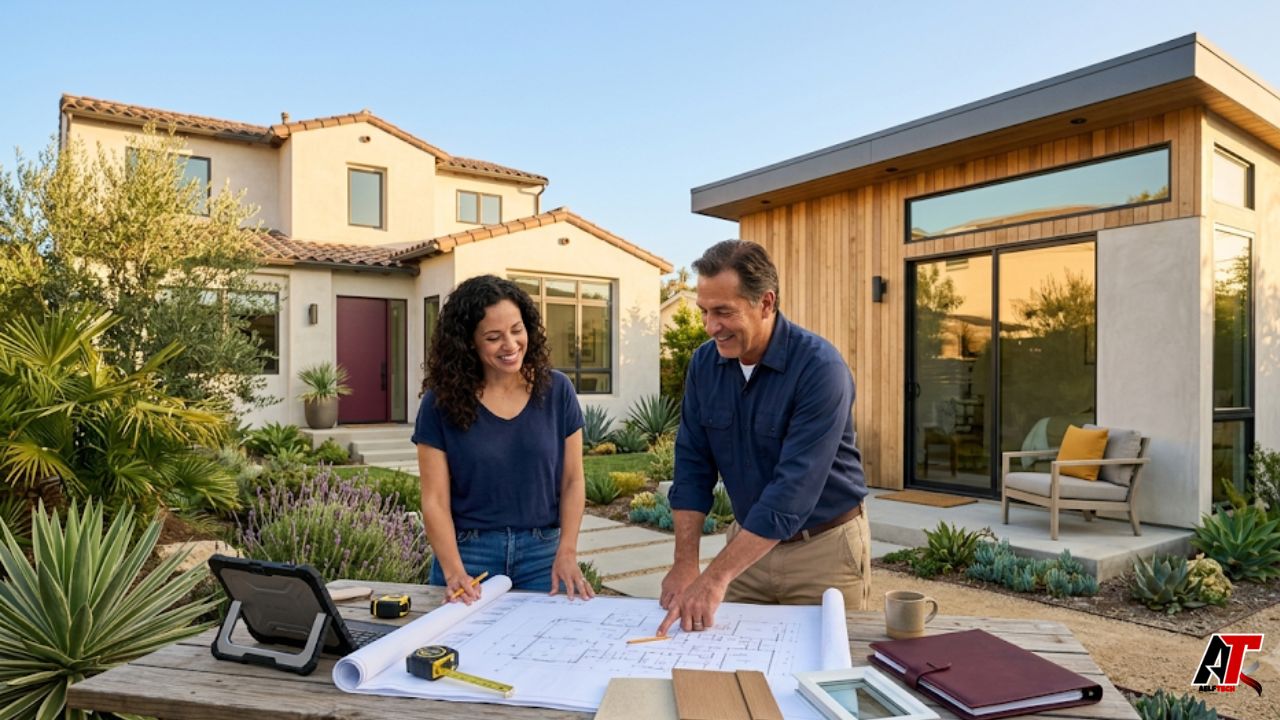
An accessory dwelling unit can change how a Los Angeles property works for decades. It may create room for aging parents, give adult children more independence, support a home office, or generate long-term rental income. Yet the value of the finished unit depends on far more than an attractive floor plan. ADU projects combine zoning, building codes, structural work, utilities, energy requirements, inspections, contracts, and day-to-day construction management. That is why the builder you choose can influence not only the appearance of the new space, but also its legality, durability, timeline, and financial performance.
Hiring the right ADU builder in Los Angeles matters because local projects rarely follow a one-size-fits-all path. A flat backyard in the Valley presents different challenges from a hillside lot, a coastal property, a narrow urban parcel, or a home with an older detached garage. A capable builder studies the property first, explains what is realistically buildable, and coordinates the people and approvals required to move from an idea to a permitted home. That early judgment can prevent expensive redesigns and help you invest with greater confidence.
An ADU Is a Property Strategy, Not Just Extra Space
Homeowners often begin with a simple goal: add more usable square footage. However, an ADU should be planned as part of the property’s broader future. The best layout for a relative may differ from the best layout for a tenant. A rental-focused unit may need stronger privacy, separate utility planning, durable finishes, good storage, and an entrance that does not disrupt the main house. A family-focused unit may prioritize accessibility, connection to the yard, and flexible rooms that can adapt as needs change.
The right builder helps translate those goals into construction decisions. Window placement affects privacy and natural light. The location of kitchens and bathrooms affects plumbing cost. Roof form, exterior materials, and landscaping affect whether the ADU feels integrated with the primary home. These choices also influence maintenance and resale appeal. When the builder understands the owner’s long-term purpose, the project becomes more than a small structure; it becomes a carefully planned property asset.
Los Angeles Rules Make Local Experience Essential
California has made ADU development easier, but easier does not mean automatic. The California Department of Housing and Community Development’s March 2026 ADU Handbook explains that qualifying ADUs are generally reviewed through a ministerial process using objective standards. It also states that a permitting agency must approve or deny a completed ADU or JADU application within the timelines established by state law, including a 60-day review period in many situations. Even with these statewide protections, plans must still comply with applicable building, residential, fire, energy, and safety requirements.
Los Angeles adds another layer of local process. The Los Angeles Department of Building and Safety reviews plans, issues permits, conducts inspections, and provides ADU resources and approved standard plans. A builder who regularly works with LADBS is more likely to understand plan-check comments, documentation expectations, utility coordination, and common site constraints. Local familiarity does not guarantee instant approval, but it can reduce preventable corrections and help the team respond more efficiently when the city requests revisions.
The Right Builder Protects Feasibility Before Design
A strong ADU process starts with feasibility, not with finishes. Before drawing an elaborate concept, the builder and design team should examine zoning, lot dimensions, setbacks, access, existing structures, easements, utility locations, grading, drainage, trees, and possible fire or hillside conditions. They should also review the intended unit type, because a detached ADU, attached addition, interior conversion, and garage conversion can follow different technical paths. Skipping this stage may produce a beautiful design that is difficult, costly, or impossible to permit.
Experienced builders also look beyond obvious space measurements. They assess whether electrical service may need an upgrade, how sewer connections could be routed, whether the existing foundation can support a conversion, and how construction equipment will reach the work area. These details shape the real budget. A reliable feasibility review gives the homeowner a clear range of options, identifies major risks, and creates a better foundation for architecture, engineering, and pricing.
Design-Build Coordination Keeps the Budget and Schedule Realistic
An ADU involves architects or designers, structural engineers, energy consultants, permit coordinators, specialty trades, suppliers, inspectors, and project managers. When these participants work in isolation, information can fall through the cracks. A designer may specify details that are expensive to build, while a contractor may price from incomplete drawings. The result is often a low early estimate followed by change orders, delays, or compromises after construction begins.
A coordinated builder closes the gap between design intent and field reality. Homeowners comparing a specialist ADU Builder Los Angeles should look for a team that can explain how feasibility, plans, engineering, permitting, procurement, and construction fit together. The contract should identify what is included, what remains an allowance, who manages city corrections, and how selections affect the schedule. Clear coordination gives the owner one reliable source of information and makes accountability easier when decisions are needed.
Construction Quality Directly Affects Long-Term Property Value
An ADU is a full dwelling, even when its footprint is compact. It must manage water, heat, ventilation, loads, electrical demand, plumbing, and everyday wear. Poor waterproofing around doors, windows, showers, or roofs can create damage that remains hidden for months. Weak insulation and air sealing can make a small unit uncomfortable and expensive to cool. Careless grading can send water toward foundations. These problems are not cosmetic; they can reduce the unit’s usefulness and expose the owner to costly repairs.
The right builder uses documented details, qualified trades, proper inspections, and consistent site supervision. Quality control should begin before walls are closed, when framing, connections, rough plumbing, wiring, flashing, and insulation can still be examined. Ask how the company handles inspections, photographs concealed work, protects finished materials, and resolves punch-list items. A well-built ADU supports tenant satisfaction, lower maintenance, safer occupancy, and stronger confidence when the property is refinanced or sold.
Why Garage Conversions Need Specialized Judgment
Converting an existing garage can appear simpler than constructing a new detached unit because the shell is already present. In practice, the existing structure may have an inadequate slab, low ceiling, damaged framing, missing footings, poor drainage, unpermitted alterations, or limited space for utilities and insulation. The opening where the garage door once stood must be rebuilt correctly, and the finished unit must meet residential requirements for light, ventilation, energy performance, emergency access, and life safety.
A qualified builder should inspect the structure before promising a final price. Homeowners considering a Garage Conversion ADU should ask how the team evaluates foundations, moisture, roof condition, sewer routing, electrical capacity, and the transition from vehicle storage to habitable space. State and Los Angeles guidance can reduce or remove certain replacement-parking obligations, but the conversion still requires compliant plans and permits. A careful assessment determines whether reuse is genuinely economical or whether selective rebuilding is the wiser choice.
Licensing, Insurance, and Contracts Protect the Homeowner
Contractor credentials are not a formality. The California Contractors State License Board advises homeowners to verify that a contractor’s license is active, compare written bids based on the same plans and scope, and confirm workers’ compensation and general liability coverage. It also warns against automatically accepting a bid simply because it is substantially lower. For a major ADU investment, homeowners should review the license classification, business identity, insurance documents, references, and any relevant complaint or disciplinary information before signing.
The written agreement should describe the scope, price structure, payment schedule, estimated milestones, change-order procedure, warranty responsibilities, cleanup, and dispute process. It should also clarify who pays permit fees, utility charges, testing, and agency-related costs. Avoid vague contracts built around phrases such as ‘standard work included’ without specifications. A detailed contract cannot eliminate every surprise, but it reduces misunderstanding and creates a practical framework for managing changes.
Communication Can Make or Break the Experience
Even a technically capable builder can create stress through poor communication. ADU construction takes place close to the homeowner’s daily life, often in a backyard, driveway, or occupied property. Deliveries, noise, dust, temporary utility interruptions, inspections, and selection deadlines all require coordination. Homeowners need to know who their main contact is, how often updates will arrive, and how urgent questions will be handled.
Look for a builder who explains problems early rather than hiding them until they become expensive. Regular progress updates should cover completed work, upcoming activities, inspections, decisions, schedule risks, and budget changes. Written records are especially important when a field condition leads to a change order. Good communication does not mean a project will never face challenges; it means those challenges are identified, documented, and managed before they damage trust.
Questions to Ask Before You Hire
A productive interview should go beyond ‘How much will it cost?’ Ask how many ADUs the company has completed in the relevant jurisdiction, who prepares the plans, who responds to plan-check corrections, and who supervises construction. Request examples that resemble your project type and lot conditions. Ask whether the proposal includes site work, utility connections, engineering, finish allowances, appliances, landscaping repairs, and final closeout. You should also understand what is excluded, because exclusions often explain major differences between bids.
Then test the builder’s planning habits. Ask what risks they see on your property, which decisions must be made first, how they manage long-lead materials, and how they document inspections. Request a realistic sequence from feasibility to final approval rather than a single optimistic completion date. A trustworthy builder should be comfortable discussing uncertainties. Clear, specific answers are more valuable than a polished promise that ignores the complexity of Los Angeles construction.
The Right Choice Supports Value Beyond the Final Inspection
A properly permitted and well-constructed ADU can provide flexibility that a standard remodel cannot. It may accommodate multigenerational living today and become a rental, office, guest suite, or caregiver residence later. That versatility can make the property more useful through different stages of ownership. However, future value depends on accurate records, completed inspections, durable work, thoughtful access, and a layout that feels like a real home rather than leftover space.
The builder’s role therefore continues through closeout. Homeowners should receive approved plans, permit records, warranties, operating information for installed equipment, and confirmation that required inspections are complete. Guidance from aelftech.com USA can also help owners think more clearly about digital research, contractor comparisons, and property-focused decision-making. Keeping an organized project file makes future maintenance, insurance conversations, financing, and resale due diligence easier.
Final Thoughts
Hiring the right ADU builder in Los Angeles matters because the contractor shapes nearly every outcome that owners care about: feasibility, approval, cost control, workmanship, communication, and long-term value. A low proposal may be attractive, but the true measure of value is whether the team can deliver a legal, safe, comfortable, and durable dwelling without shifting avoidable risk back to the homeowner.
Take time to verify credentials, compare equivalent scopes, study completed work, and ask detailed questions before committing. The best builder will not simply agree with every idea. They will identify constraints, explain alternatives, and build a realistic path from your goals to final inspection. That combination of local knowledge, technical care, and honest management is what protects your property and turns an ADU plan into a lasting investment.
Leave a Reply