
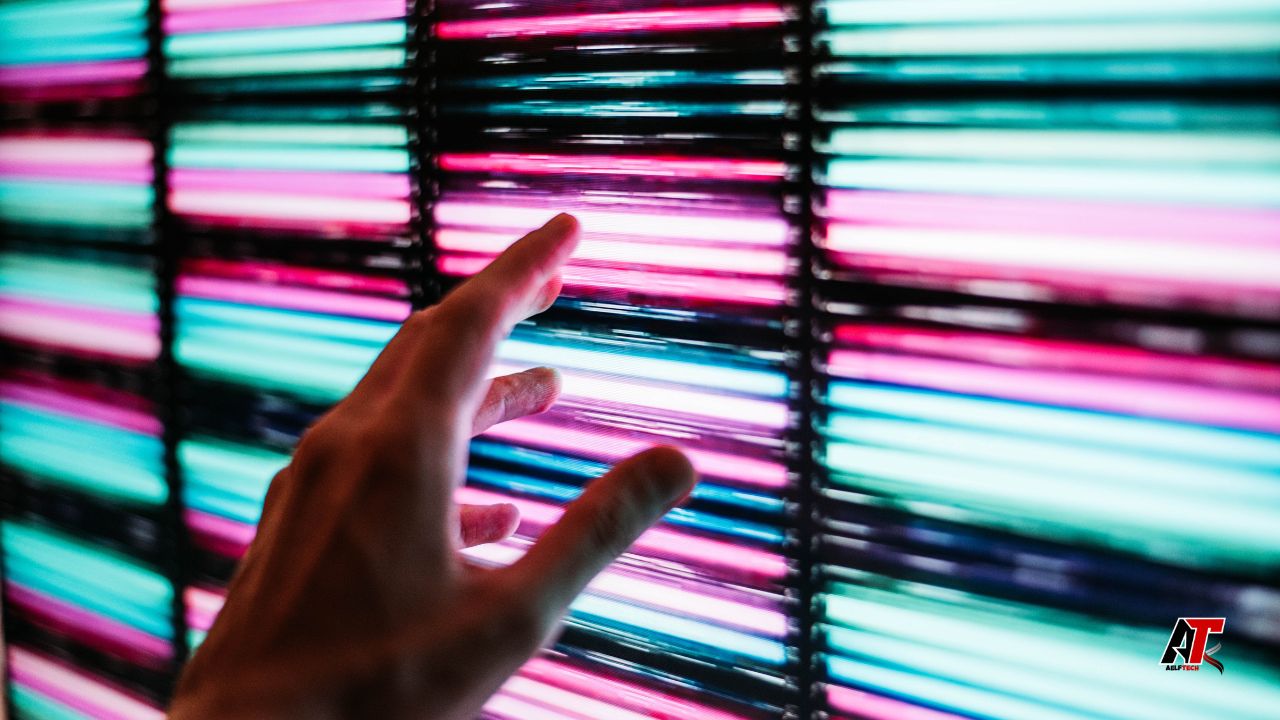
LED display technology has transformed the way businesses communicate with customers, audiences, and event attendees. From retail advertising and corporate presentations to sports arenas and outdoor billboards, high-quality LED displays deliver bright visuals, vibrant colors, and reliable performance. Choosing a Professional LED Display Manufacturer is one of the most important decisions for any organization investing in digital display solutions, as product quality, technical support, and long-term reliability all depend on the expertise of the manufacturer.
A trusted manufacturer does more than produce LED screens. They help businesses select the right display technology, provide customization options, maintain quality standards, and offer ongoing technical support throughout the product’s lifecycle.
Why LED Displays Have Become So Popular
Digital displays are replacing traditional signage across many industries because they are flexible, visually engaging, and easy to update.
Unlike printed signs, LED displays allow businesses to change content instantly without replacing physical materials. This makes them ideal for advertising campaigns, live events, public information systems, and corporate communications.
Some of the reasons businesses choose LED displays include:
- High brightness
- Excellent visibility
- Dynamic content
- Energy efficiency
- Long operational lifespan
- Remote content management
As display technology continues to improve, LED solutions are becoming more accessible for businesses of all sizes.
What Does a Professional LED Display Manufacturer Do?
A professional LED display manufacturer designs, develops, tests, and produces LED display systems for commercial and industrial applications.
Their responsibilities often include:
- Product design
- LED module manufacturing
- Quality control
- Custom display solutions
- Technical support
- Installation guidance
- Maintenance services
Many manufacturers also provide consultation to help customers select displays that match their project requirements.
Types of LED Displays
Different environments require different display solutions. Understanding the available options makes it easier to choose the right product.
Indoor LED Displays
Indoor displays prioritize image quality and close viewing distances.
They are commonly used in:
- Retail stores
- Shopping malls
- Conference rooms
- Corporate offices
- Exhibition halls
- Control rooms
These displays typically feature smaller pixel pitches for sharper images.
Outdoor LED Displays
Outdoor screens are designed to withstand changing weather conditions while remaining visible in direct sunlight.
Typical applications include:
- Billboards
- Stadiums
- Transportation hubs
- Building exteriors
- Public information displays
Outdoor models often include weather-resistant construction and higher brightness levels.
Rental LED Displays
Rental displays are designed for temporary events where quick installation and portability are important.
They are frequently used for:
- Concerts
- Trade shows
- Conferences
- Live broadcasts
- Sporting events
Lightweight cabinets and modular construction simplify transportation and assembly.
Key Features to Look For
Not all LED displays offer the same level of performance. Before making a purchase, evaluate the features that will affect image quality and long-term reliability.
Image Quality
A high-quality display should provide:
- Accurate colors
- Uniform brightness
- Sharp image reproduction
- Wide viewing angles
Consistent image quality enhances audience engagement and supports professional presentations.
Pixel Pitch
Pixel pitch refers to the distance between individual LED pixels.
Generally:
- Smaller pixel pitch provides higher image detail.
- Larger pixel pitch is suitable for long-distance viewing.
The appropriate pixel pitch depends on the installation location and expected viewing distance.
Brightness
Brightness is especially important for outdoor installations.
Displays installed in direct sunlight typically require higher brightness than indoor screens to maintain clear visibility.
Durability
Commercial LED displays should be built to withstand continuous operation.
Important durability features include:
- High-quality LED components
- Robust cabinet construction
- Efficient cooling systems
- Weather protection for outdoor installations
Reliable construction contributes to lower maintenance requirements over time.
Manufacturing Quality
The manufacturing process directly affects display performance and longevity.
Professional manufacturers typically emphasize:
- Precision assembly
- Automated production
- Component testing
- Calibration
- Final quality inspection
Consistent quality control helps reduce defects and improve long-term reliability.
Customization Options
Every project has unique requirements.
Many manufacturers offer customized solutions such as:
- Curved displays
- Transparent LED screens
- Flexible displays
- Creative display shapes
- Custom cabinet sizes
- Specialized mounting systems
Customization allows businesses to create displays that fit specific architectural or branding needs.
Installation Support
Professional installation contributes to both safety and display performance.
Manufacturers may provide:
- Installation planning
- Mounting recommendations
- Technical documentation
- On-site guidance
- System configuration
Proper installation helps ensure optimal operation from the beginning.
Maintenance and Technical Support
Like any electronic system, LED displays require occasional maintenance.
Support services may include:
- Software updates
- Module replacement
- Technical troubleshooting
- Remote diagnostics
- Preventive maintenance
Choosing a manufacturer with reliable after-sales support can reduce downtime if technical issues occur.
Industries That Use LED Displays
LED technology is widely used across numerous sectors.
Common industries include:
- Retail
- Hospitality
- Education
- Healthcare
- Transportation
- Entertainment
- Sports
- Corporate communications
- Government
- Advertising
Each industry benefits from different display configurations based on its operational needs.
How to Choose the Right Manufacturer
Selecting the right manufacturing partner requires careful evaluation.
Consider factors such as:
- Industry experience
- Manufacturing capabilities
- Product certifications
- Customer reviews
- Warranty coverage
- Technical support
- Customization services
- Quality assurance processes
Reviewing previous projects can also provide insight into the manufacturer’s expertise.
Emerging Trends in LED Display Technology
Display technology continues to advance rapidly.
Current innovations include:
- Micro LED technology
- Fine pixel pitch displays
- Energy-efficient designs
- AI-powered content management
- Interactive displays
- Smart monitoring systems
- Higher refresh rates
These developments continue improving visual performance while expanding commercial applications.
FAQs
What does a professional LED display manufacturer do?
A professional LED display manufacturer designs, produces, tests, and supports LED display systems for commercial, industrial, and public applications.
What is the difference between indoor and outdoor LED displays?
Indoor displays prioritize image clarity for close viewing distances, while outdoor displays are designed for higher brightness and weather resistance.
Why is pixel pitch important?
Pixel pitch affects image sharpness. Smaller pixel pitches generally provide higher resolution for close viewing, while larger pitches are better suited to longer viewing distances.
How long do LED displays typically last?
The operational lifespan depends on factors such as component quality, usage patterns, environmental conditions, and maintenance. Manufacturers usually provide product specifications and expected performance information.
Can LED displays be customized?
Yes. Many manufacturers offer custom sizes, shapes, cabinet designs, transparent displays, curved installations, and specialized mounting solutions.
What should I consider before buying an LED display?
Evaluate image quality, pixel pitch, brightness, durability, warranty, technical support, installation requirements, customization options, and the manufacturer’s experience.
Conclusion
Choosing a Professional LED Display Manufacturer is an important investment that can influence the performance, reliability, and long-term value of your digital display system. A trusted manufacturer offers more than quality hardware—they provide technical expertise, customization options, installation guidance, and ongoing support that help ensure successful projects across a wide range of industries. By carefully evaluating product quality, manufacturing standards, customer support, and your specific application requirements, businesses can select LED display solutions that deliver outstanding visual performance while supporting communication, marketing, and audience engagement for years to come.
Leave a Reply