
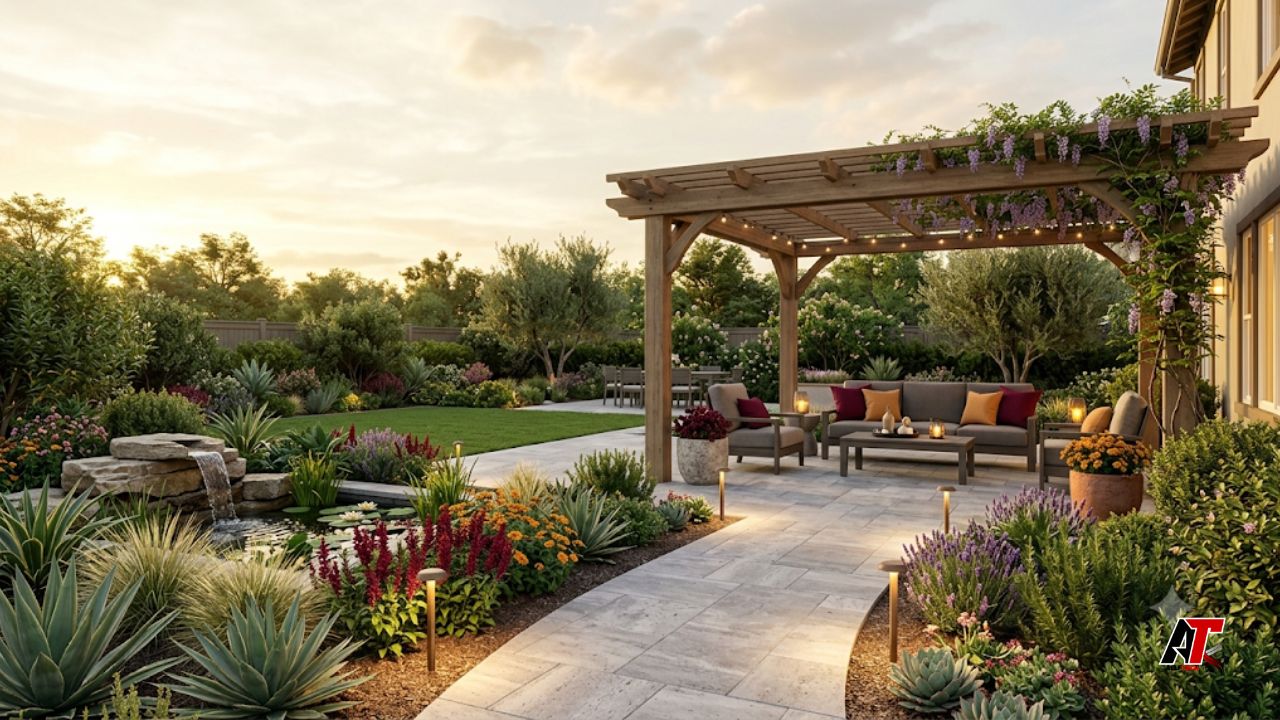
A beautiful outdoor area can change the way a home looks, feels, and functions. It can become a peaceful place for morning coffee, a comfortable setting for family gatherings, or a polished extension of an indoor living space. Yet creating that kind of environment takes more than adding a few plants or placing furniture on a patio. The most successful outdoor spaces are planned as complete landscapes in which planting, shade, walkways, lighting, irrigation, and maintenance all work together.
Professional landscaping brings structure to that process. A skilled team studies the property, understands how the space will be used, and develops a design that suits the architecture, climate, budget, and long-term care requirements. At aelftech.com, we view a well-designed landscape as both a lifestyle improvement and a practical investment. With the right plan, even an ordinary yard can become a welcoming outdoor oasis that feels personal, balanced, and easy to enjoy.
Why Professional Landscaping Makes a Lasting Difference
A professionally planned landscape usually looks more natural and performs better because every element has a reason for being there. Plant placement is based on mature size, sunlight, water needs, and visual balance rather than appearance at the time of purchase. Paths are positioned where people naturally walk. Seating areas are arranged to benefit from shade, privacy, and attractive views. Drainage, irrigation, and access for maintenance are considered before construction begins.
This level of planning prevents common problems such as overcrowded plants, water collecting near foundations, uneven paving, poor nighttime visibility, and outdoor areas that are attractive but uncomfortable to use. Professionals can also coordinate several trades, including irrigation installers, masons, lighting technicians, and planting crews. Instead of treating the yard as separate jobs, they create one connected environment that improves as plants mature.
Start with a Clear Vision for Your Outdoor Oasis
Every successful landscaping project begins with a clear understanding of what the homeowner wants from the space. Some families need a durable play area, while others want an elegant entertaining zone, a quiet reading corner, a poolside retreat, or a low-maintenance garden. The design should reflect real routines rather than only following current trends.
Before choosing materials or plants, list the activities the landscape should support. Consider how many people will use it, which times of day are most important, whether pets or children need safe areas, and how much ongoing care is realistic. It is also helpful to identify existing features worth keeping, such as mature trees, established walls, attractive views, or a useful patio. A professional designer can turn these priorities into a practical site plan that remains attractive and useful throughout the year.
Design Outdoor Spaces for Comfort, Flow, and Function
An outdoor oasis should feel easy to move through. The route from the house to the patio, garden, driveway, pool, or gate should be clear and comfortable. Professional designers often divide a yard into zones, with each area serving a specific purpose while remaining visually connected to the rest of the landscape. A dining space may sit close to the kitchen, while a fire feature or lounge area may be placed farther away for privacy and atmosphere.
Comfort is equally important. Shade structures, trees, umbrellas, pergolas, and covered patios can make an outdoor area usable during warmer periods. Screens, hedges, decorative walls, and carefully positioned plants can reduce unwanted views and create a sense of enclosure. Furniture should support conversation without blocking movement. A balance of open and intimate areas adds depth and can make any property feel more welcoming.
Choose Plants That Suit the Site and Lifestyle
Plants give a landscape softness, color, texture, fragrance, and seasonal interest, but they should be selected for more than appearance. The right plant must suit the available sunlight, soil conditions, temperature range, wind exposure, irrigation plan, and amount of maintenance the owner can provide. Native and climate-adapted species are often valuable because they are better prepared for local conditions and may require less water or intervention once established.
A thoughtful planting design combines different heights and forms. Trees can provide scale and shade, shrubs can create structure and privacy, and smaller plants can add color along borders and pathways. Repeating selected species keeps the design organized, while a few accent plants add personality. Professionals also plan for mature growth so plants do not block windows, cover paths, or compete for space.
Use Hardscaping to Build the Structure of the Landscape
Hardscaping includes the permanent or semi-permanent features that shape an outdoor environment, such as patios, walkways, retaining walls, steps, edging, decks, pergolas, fire pits, and built-in seating. These features create the framework around which planting is arranged. They also make the yard easier to use by providing stable surfaces for dining, entertaining, and movement.
Material selection should complement the home and withstand local conditions. Natural stone can create an organic, high-end appearance, while concrete pavers offer consistency and a wide range of patterns. Gravel may work well for informal paths or low-water landscapes, and wood or composite materials can add warmth to decks and shade structures. A professional installer prepares the base, controls slopes, and plans drainage because even attractive materials can fail on an unstable foundation.
Plan Irrigation and Drainage Before Planting
Water management is one of the most important parts of professional landscaping. An efficient irrigation system delivers water where it is needed without oversaturating soil, staining hard surfaces, or wasting resources. Drip irrigation is often useful for shrubs, trees, and planting beds because it places water close to the root zone. Sprinklers may be appropriate for lawn areas when they are designed with correct coverage and pressure.
Drainage requires equal attention. Water should move away from foundations, walls, and heavily used surfaces. Grading, channel drains, dry creek beds, permeable paving, and strategically placed collection points can help manage runoff. Professionals coordinate irrigation and drainage with the final planting and hardscape layout, reducing the risk of later excavation. Smart controllers, moisture sensors, and zoned watering schedules can further improve efficiency by matching water delivery to changing conditions and different plant needs.
Add Outdoor Lighting for Beauty, Safety, and Atmosphere
Outdoor lighting extends the use of a landscape after sunset and highlights the features that give it character. Path lights can make steps and walkways easier to navigate, while subtle uplighting can emphasize trees, textured walls, or architectural details. Lighting near outdoor kitchens, seating areas, and entrances improves function without making the yard feel overly bright.
The best schemes use layers rather than relying on a single powerful fixture. Warm, low-level light creates a relaxed atmosphere, and carefully directed beams reduce glare. Fixtures should be selected for outdoor durability and placed where they are unlikely to be damaged by maintenance equipment. Timers and smart controls adjust the mood for daily use, entertaining, or security, while professional planning keeps wiring discreet.
Create Year-Round Interest with Thoughtful Details
An outdoor oasis becomes more memorable when it includes details that engage the senses. Moving water from a small fountain can soften background noise. Fragrant plants near seating areas can make evenings more enjoyable. Textured foliage, decorative containers, art, and contrasting materials can add visual interest even when seasonal flowers are not blooming.
Color should be planned with restraint. Repeating a few tones across cushions, pots, flowers, and accessories creates a coordinated look. The brand-inspired combination of deep burgundy and warm golden orange, for example, can be introduced through outdoor fabrics, planters, feature walls, or flowering accents without overwhelming the natural setting. Details should support the overall design. When they connect with the home’s architecture and main materials, the property feels more polished.
Keep Maintenance Realistic from the Beginning
A landscape should match the amount of time and money the owner is willing to spend on care. Large lawns, formal hedges, seasonal planting, water features, and delicate materials can look impressive, but they may require frequent attention. A lower-maintenance design can still feel rich and inviting when it uses durable hardscaping, efficient irrigation, slow-growing plants, mulch, ground covers, and clearly defined planting beds.
Professionals can prepare a maintenance plan that explains watering, pruning, fertilizing, cleaning, and seasonal tasks. They can also design access routes for equipment and avoid placing messy plants near pools, entrances, or outdoor dining areas. Regular maintenance protects the original investment and keeps minor issues from becoming expensive repairs. The goal is not to eliminate care entirely, but to create a landscape whose upkeep is predictable, manageable, and appropriate for the homeowner’s lifestyle.
Set a Practical Budget and Consider Phased Installation
A clear budget helps the landscaping team recommend the right balance of features, materials, and planting. Costs may include design, demolition, grading, irrigation, drainage, hardscaping, lighting, plants, furniture, permits, and ongoing maintenance. It is wise to reserve part of the budget for unexpected site conditions.
When the complete vision cannot be installed at once, a phased plan can protect design quality. The master plan should identify what must be completed first, such as drainage, utility lines, major grading, and structural hardscaping. Planting, lighting, furniture, and decorative features can then be added in later stages. Planning the full project first prevents later work from damaging completed areas. Professionals can also show where higher spending improves durability and where simpler choices deliver similar results.
Choose the Right Professional Landscaping Partner
The quality of the final landscape depends heavily on the experience and communication of the team completing it. Review portfolios for projects similar in style and scale to your own. Ask how the company handles design revisions, scheduling, material selection, irrigation, drainage, warranties, and maintenance. A detailed proposal should explain the scope of work, products, allowances, payment schedule, and responsibilities of both parties.
Local knowledge is especially valuable because plant performance, heat exposure, soil, wind, and water use can vary by area. Homeowners seeking specialized Landscaping services in Lake Havasu City should look for a provider that understands desert conditions and can combine attractive outdoor living features with practical water-conscious planning. Strong contractors communicate openly when conditions change and guide homeowners toward informed decisions.
Frequently Asked Questions
How long does a professional landscaping project take? The timeline depends on the size of the property, design complexity, approvals, material availability, and whether the work includes major grading or construction. A simple upgrade may take days, while a complete transformation can take several weeks.
Can professional landscaping increase property value? A functional, well-maintained landscape can improve curb appeal and buyer interest. Value is strongest when the design suits the home, uses durable materials, and avoids features that are difficult or expensive to maintain.
What is the best way to reduce landscape maintenance? Choose climate-suitable plants, limit high-care lawn areas, install efficient irrigation, use mulch or ground cover, and select durable hardscape materials. A simple, well-spaced planting palette is easier to manage than a crowded garden.
Should landscaping be completed before buying outdoor furniture? The main landscape plan should come first. After patio size, shade, circulation, and lighting are confirmed, furniture can be chosen without blocking pathways or looking out of scale.
Is a landscape design necessary for a small yard? Yes. Small spaces often benefit most from careful planning because every element is visible and must serve a clear purpose. Good zoning, vertical planting, built-in seating, and consistent materials can make it feel organized and spacious.
Final Thoughts
Creating an outdoor oasis is not about filling a yard with expensive features. It is about combining comfort, function, natural beauty, and long-term practicality in a way that reflects how the space will actually be used. Professional landscaping brings those elements together through informed design, correct construction, suitable planting, and careful attention to water, lighting, and maintenance.
With a clear vision and the right landscaping partner, an underused exterior can become one of the most enjoyable parts of a property. The finished space can support relaxation, entertaining, family time, and everyday connection with the outdoors while improving the overall appearance and usability of the home.
Leave a Reply