
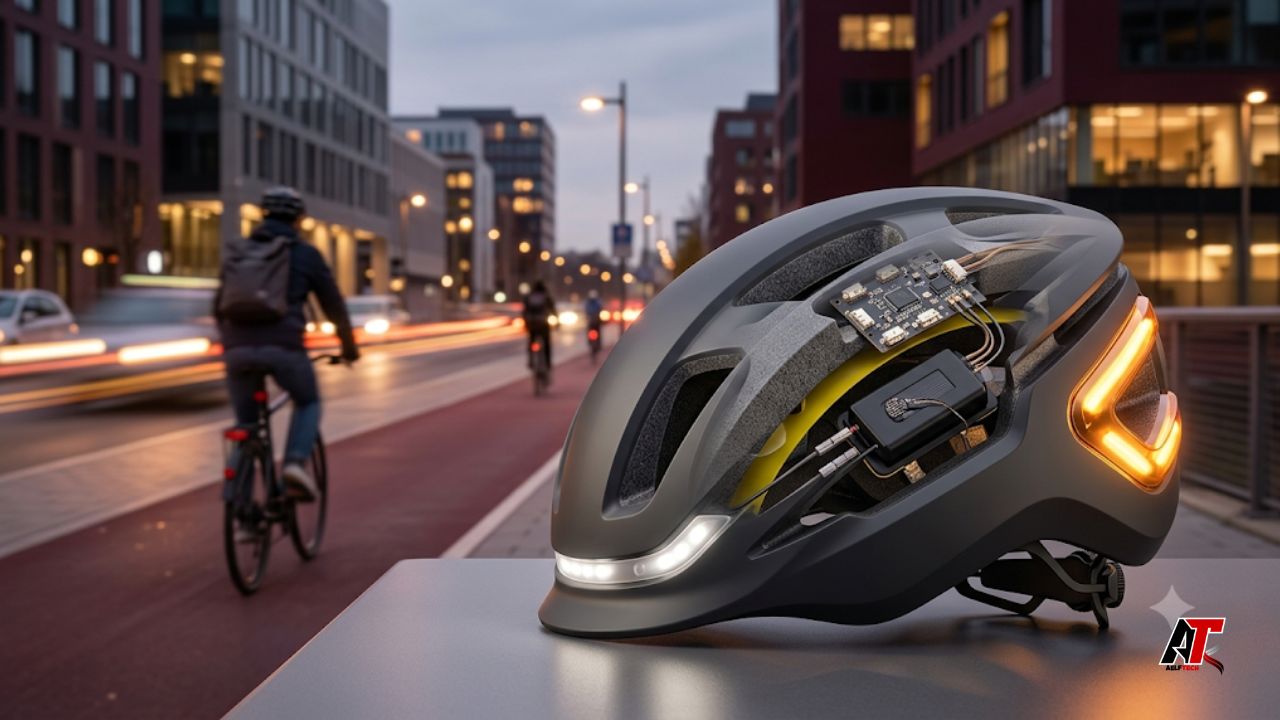
A smart cycling product is useful only when it makes everyday riding easier. That is the best way to understand the Lumos Ultra. It combines a protective helmet, front and rear lights, turn signals, wireless controls, and app settings in one design. These features are built for riders who travel through traffic, ride in low light, or want fewer separate accessories to manage.
The idea behind the latest design is simple: improve the details that riders notice on every trip. Over three years, feedback can reveal what works and what becomes frustrating. Riders care about fit, comfort, battery life, light visibility, simple controls, and reliable connections. The Lumos Ultra smart bike helmet brings these needs together in a clean, commuter-friendly package.
| The Lumos Ultra at a Glance Integrated front and rear LEDs improve rider visibility.Handlebar controls support turn signals and optional brake-light functions.The Ride Lumos app manages brightness, patterns, battery status, and connected devices.Multiple sizes, an adjustment dial, and an optional Mips version support fit and protection.The helmet works best with standard bike lights and careful riding habits. |
Why Rider Feedback Matters
A long feature list does not always create a better product. A light may be bright, but it is not helpful when charging feels inconvenient. A turn signal may look impressive, but it adds little value when the control is hard to reach. Even the safest shell cannot work properly when the helmet fits badly.
Real riders test products in conditions that are difficult to copy in a showroom. They deal with rain, sweat, road vibration, gloves, traffic noise, changing weather, and rushed mornings. Their feedback helps a company improve small details that affect daily use. Those details often matter more than adding another complex feature.
Integrated Lights Improve Everyday Visibility
The Lumos Ultra has white LEDs at the front and red LEDs at the rear. Lumos lists 30 front LEDs and 64 rear LEDs, with output of up to 284 lumens. Since the lights sit high on the rider’s head, they may be easier for drivers to notice above parked cars, bags, and other road obstacles.
These lights mainly help other road users see the cyclist. They should not always replace a strong handlebar headlight on a dark road. A dedicated headlight is better for showing potholes, debris, road markings, and sharp turns. The safest setup uses several layers, such as helmet lights, bike lights, reflectors, and clear road positioning.
For riders comparing a connected bike helmet, the Lumos range shows how visibility features can be built into the helmet instead of added later with loose clips or straps.
Turn Signals Make Rider Intentions Clearer
Rear turn signals are one of the Ultra’s most useful smart features. A compatible handlebar remote lets the rider activate a left or right signal without removing a hand for long. This can make a planned turn easier to notice, especially at night or in busy city traffic.
The signals are extra support, not a replacement for safe riding habits. Riders should still check behind them, follow local rules, use hand signals when required, and move only when the route is clear. Technology can make communication stronger, but it cannot guarantee that every driver will react correctly.
Good controls should also feel natural. The buttons need to be easy to find without looking down. The wireless connection should remain stable, and the rider should know when a signal is active. Compatible Lumos hardware can also provide an automatic brake-light function, giving traffic behind another warning when the cyclist slows.
Battery Life Built for Real Commutes
Smart lights are useful only when they have enough power. Lumos lists an 1100 mAh rechargeable battery, a runtime of about four to ten hours, and a charging time of roughly three hours. Actual runtime depends on brightness, flash pattern, signal use, temperature, and connected features.
A short-distance commuter may get several rides from one charge. A rider planning a long evening trip should check the battery before leaving. Lower brightness or a more efficient flash mode may extend the runtime when maximum output is not needed.
The best charging plan is usually the simplest one. Keep the helmet near your keys or cycling shoes. Charge it on a regular evening and check the battery level before longer rides. A predictable routine reduces the chance of losing the light features halfway through a journey.
Useful App Controls Without Constant Distraction
The Ride Lumos app gives users control over brightness, light patterns, battery information, and connected devices. This makes it easier to adjust the helmet for different conditions. A brighter flash may suit daytime traffic, while a softer pattern may feel better during a night group ride.
The phone should not become the center of the cycling experience. Most app changes are best made before or after a ride. During the journey, the handlebar remote manages quick actions such as turn signals. This approach keeps the rider’s attention on traffic instead of on a screen.
The app may also support firmware updates and device pairing. Riders should complete updates at home and test all connected accessories before setting off. A quick test can prevent connection problems on the road.
Fit, Weight, and Comfort Come First
Smart features attract attention, but fit remains the most important part of any helmet. The Lumos Ultra is available in small, medium-large, and extra-large sizes. Together, these sizes cover head measurements of about 51 to 65 centimeters. An adjustment dial helps the rider create a secure fit.
The Mips versions weigh about 370 grams in small and up to 450 grams in extra-large. That is heavier than some basic racing helmets because the Ultra contains a battery, lights, wiring, and controls. However, balance matters as much as total weight. A well-balanced helmet can still feel comfortable when pressure is spread evenly.
Measure around the widest part of the head, usually just above the eyebrows and ears. The helmet should sit level and cover the forehead. It should not slide when the rider gently moves their head. The straps should form a neat V around each ear, while the chin strap should feel snug but not restrictive.
Mips and Certified Impact Protection
The Lumos Ultra is available in standard and Mips versions. Mips adds a low-friction layer inside the helmet. This layer is designed to allow a small amount of movement during some angled impacts. The aim is to help manage rotational motion that may reach the head.
Lumos states that the Ultra meets CPSC and EN 1078 helmet standards. These certifications are important because they cover defined tests for impact, retention, and protection. Mips is an additional feature, not a guarantee against injury.
A helmet should be replaced after a serious crash. The impact foam can become damaged even when the outside still looks normal. Riders should also inspect straps, buckles, the fit system, and the shell regularly.
How Rider Feedback Appears in Daily Use
The strongest signs of rider-led improvement are often simple. Owners tend to talk about comfort, airflow, light visibility, battery performance, and easy controls. These are the things people notice after many rides, not just during the first unboxing.
The Ultra also works with a wider Lumos system. Depending on the chosen setup, riders can add a handlebar remote, Firefly lights, synchronized patterns, rain accessories, and app controls. Keeping these devices in one system can make setup and charging easier than using several unrelated products.
Not every rider needs the full ecosystem. Someone who rides only in daylight on quiet paths may use only the basic helmet functions. A city commuter who rides before sunrise, after work, or through many junctions may gain more value from signals, brake lights, and synchronized lighting.
The Practical Limits of a Smart Helmet
Smart equipment always has trade-offs. The battery needs charging. Wireless accessories need pairing. Extra electronics can increase cost and weight. Like any electronic device, the lights or controls may also require care over time.
Integrated lights do not remove the need for a good bicycle headlight, a rear bike light, reflectors, route planning, and defensive riding. There is also a difference between being seen and being safe. A driver may notice a cyclist and still make a poor decision.
The helmet protects the head, but it cannot protect the whole body or prevent every crash. The Lumos Ultra works best as one part of a wider safety routine. Correct fit, good judgment, predictable movements, and awareness remain essential.
Who Should Consider the Lumos Ultra?
The Lumos Ultra smart bike helmet is a strong match for urban commuters, evening riders, and cyclists who often return home after sunset. It also suits people who prefer one clean setup instead of moving clip-on lights between helmets.
It may be less suitable for riders who want the lowest possible racing weight or rarely travel near traffic. It may also feel unnecessary for someone who does not want to charge a helmet or manage connected accessories. The right choice depends on where, when, and how often the person rides.
A Simple Buying Checklist
Start by measuring your head and choosing the correct size. Next, decide whether the Mips version suits your safety preferences and budget. Think about how often you ride in low light and whether a remote is useful for turn signals and brake-light features.
Check the product package carefully because included accessories may vary. A remote, mount, charging cable, or other add-on can change the total cost. It is better to understand the full setup before ordering.
After buying, adjust the fit at home. Pair the app and remote, test both turn signals, learn the button positions, and choose a default light pattern. Then create an easy charging routine. For more practical guides about connected products and modern technology, visit aelftech.com.
Final Verdict
The Lumos Ultra works because its smart features support real cycling needs. The front and rear LEDs improve high-level visibility. Turn signals and the optional brake-light function help show the rider’s intentions. The app offers useful control, while several sizes and an adjustment dial improve the chance of a secure fit.
Its rider-led development is also important. People judge a helmet during wet commutes, dark evenings, long rides, and busy junctions. Improvements to comfort, battery use, controls, and visibility can make a larger difference than flashy features that riders rarely use.
The Ultra is not a complete safety solution. Riders still need a proper bike light, correct fit, clear signals, and careful road behavior. Used as part of a layered safety setup, it offers a practical mix of impact protection, visibility, and communication for modern commuters.
Leave a Reply