
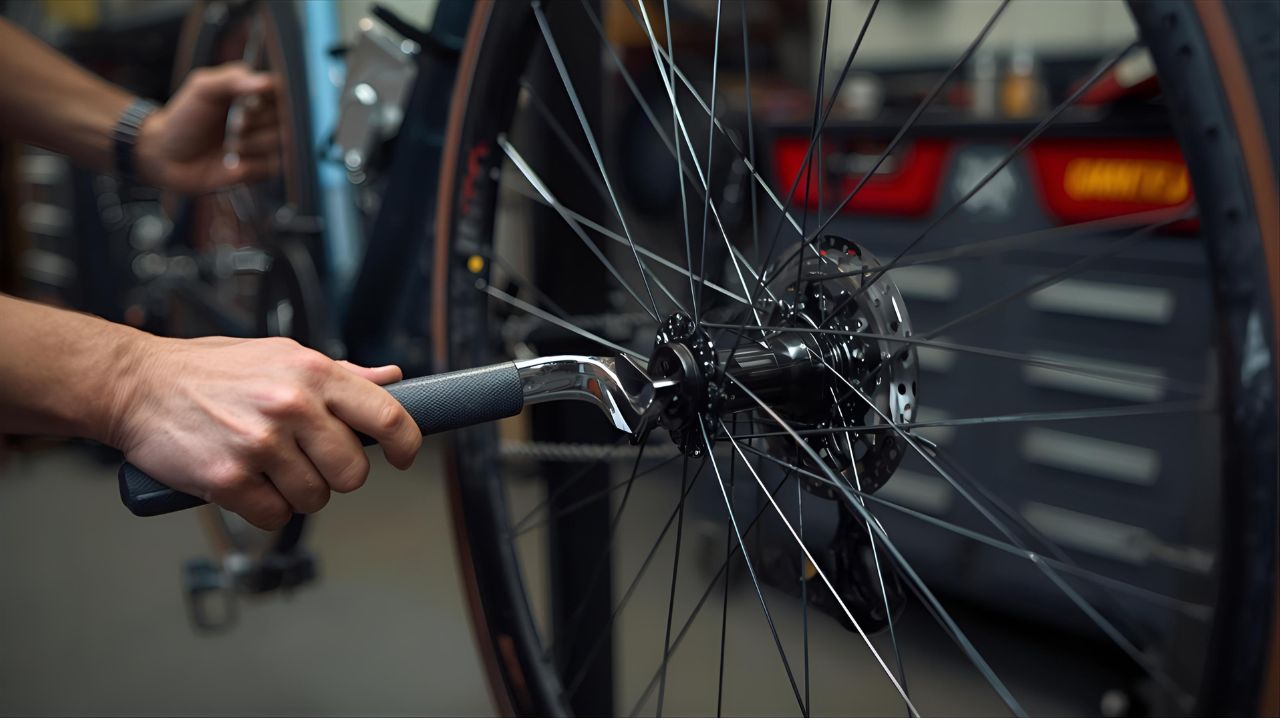
If your bike wheel wobbles or makes strange noises, it might be time to learn how to tighten bike spokes. Proper spoke tension keeps your wheels straight and strong, ensuring safe and efficient rides. Whether you’re a beginner or a casual cyclist, tightening spokes is a simple but essential skill that can save you both time and money.
In this guide, you’ll learn how to identify loose spokes, tighten them safely, and maintain a balanced wheel like a pro.
Why Tightening Bike Spokes Matters
Bike spokes are the thin metal rods that connect your wheel rim to the hub. Their tension keeps the wheel true (straight) and evenly supported. When a spoke becomes loose or too tight, your wheel can wobble, causing poor handling or even damage.
Here’s why tightening them properly is important:
- Prevents wheel wobbling or “wobble noise”
- Improves bike handling and ride comfort
- Extends the life of your rims and tires
- Reduces the risk of spoke breakage or wheel collapse
Keeping your spokes balanced ensures smoother rides and less stress on other bike components.
Tools You’ll Need
Before learning how to tighten bike spokes, make sure you have the right tools:
- Spoke wrench: A small tool designed to fit the spoke nipples (available in various sizes).
- Truing stand (optional): Helps you align the wheel accurately.
- Bike stand or way to lift the wheel off the ground
- Marker or zip tie: For identifying wobbly spots on the rim.
If you don’t have a truing stand, you can still do this using your bike frame and a little patience.
Step-by-Step: How to Tighten Bike Spokes
Step 1: Inspect the Wheel
Lift your bike so the wheel can spin freely. Spin it slowly and watch the rim’s movement. If it wobbles side-to-side or hops up and down, your spokes are unevenly tensioned.
You can attach a zip tie or use a piece of tape as a guide — it should barely touch the rim as it spins, showing where it moves out of line.
Step 2: Identify Loose Spokes
Gently squeeze pairs of spokes together. Loose spokes will feel more flexible than others. You can also tap them lightly with a metal object; a tight spoke makes a higher “ping” sound, while a loose one sounds dull.
Step 3: Use the Spoke Wrench
Attach your spoke wrench to the spoke nipple (the small nut at the rim end of each spoke).
Turn the nipple clockwise to tighten and counterclockwise to loosen.
Important: make small adjustments — about a quarter-turn at a time. Over-tightening can cause the rim to bend or crack.
Step 4: True the Wheel
After tightening one or two spokes, spin the wheel again and check alignment.
- If the rim veers left, tighten the spokes on the right side slightly.
- If the rim veers right, tighten the spokes on the left side.
Repeat this process slowly until the wheel spins straight.
Step 5: Check Overall Tension
Once the wheel looks straight, gently tap each spoke to check consistency. All spokes should produce a similar tone when tapped — that means the tension is balanced.
You can also press the tire to ensure it feels solid and stable.
Pro Tips for Tightening Bike Spokes
- Don’t tighten too many spokes at once; small, even adjustments are key.
- Always work on both sides of the wheel evenly.
- If a spoke is damaged or rusted, replace it before tightening.
- After each ride, give your wheels a quick spin to catch loose spokes early.
Common Mistakes to Avoid
- Over-tightening: This can warp the rim or snap spokes.
- Ignoring spoke replacement: Old or broken spokes affect wheel balance.
- Skipping tension checks: Even a few loose spokes can cause long-term wheel damage.
Taking your time is better than rushing and causing uneven tension.
FAQs About Tightening Bike Spokes
Q1: How often should I check my bike spokes?
It’s good practice to check your spokes every few weeks, especially if you ride on rough terrain or long distances.
Q2: What happens if I ride with loose spokes?
Loose spokes can cause wheel wobbling, rim damage, or even a complete wheel collapse if ignored.
Q3: Can I tighten spokes without a truing stand?
Yes. You can use your bike frame and a zip tie as a guide to help identify wobbles.
Q4: How tight should bike spokes be?
Spokes should be tight enough to make a “ping” sound when tapped but not so tight that they pull the rim out of shape.
Q5: Should I take my bike to a shop for spoke adjustments?
If your wheel is severely warped or several spokes are broken, it’s safer to have a professional mechanic handle it.
Final Thoughts
Learning how to tighten bike spokes is a valuable skill for any cyclist. It keeps your rides smoother, safer, and more efficient while saving you from costly repairs.
With just a spoke wrench, a bit of patience, and this guide, you can maintain your wheels’ balance and strength like a pro. Regular spoke maintenance ensures your bike stays road-ready and reliable for every adventure ahead.
Leave a Reply