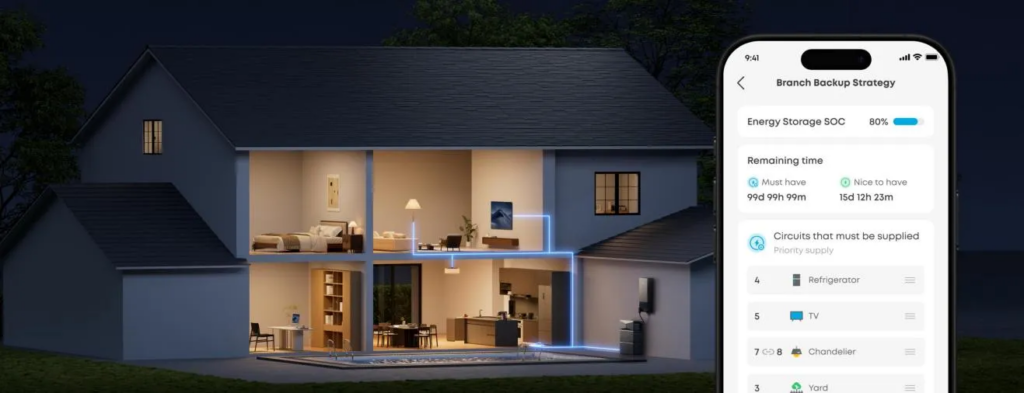
Smart generator apps turn a regular backup generator into a connected, easy-to-manage power system. Homeowners, business owners, and facility managers can see what their generator is doing without standing next to it. The app links the generator controller to a phone or tablet through Wi‑Fi, cellular, or Ethernet. Users can check fuel levels, runtime, battery status, and any active alarms in seconds. This visibility helps people react faster during outages and avoid surprise failures. Instead of guessing, they make decisions based on real data, which improves reliability, cuts downtime, and keeps critical loads powered when the grid fails.
Real-Time Monitoring and Remote Control Benefits
Real-time monitoring and remote control give users clear insight into generator performance, instant visibility of problems, and the ability to manage backup power from anywhere, reducing stress and improving uptime.
Live Power Data and System Status Tracking
A smart generator app shows live power data so users always know how their system performs. The dashboard typically displays voltage, frequency, current, and power output in real time. It also shows generator mode, running hours, fuel or gas supply status, and battery health. Users can confirm if the generator picked up the load after an outage or if it remains in standby. Historical logs reveal patterns such as frequent starts or short runs. This visibility helps users and technicians detect abnormal trends early, adjust settings, and maintain stable backup power.
Remote Start, Stop, and Control from Anywhere
A remote control lets users start or stop their generator from almost anywhere with a network connection. If severe weather approaches, they can run a test or warm-up cycle from the app. When traveling, they can verify that the generator starts automatically during an outage and manually shut it down after the grid returns. Some apps let users switch operating modes, adjust exercise schedules, or enable eco modes. This control reduces site visits, saves fuel, and helps ensure the generator runs only when needed, delivering responsive and convenient backup power management, especially for systems designed to support a whole home generator setup.
Instant Alerts for Faults and Power Issues
Smart generator apps send instant alerts when something goes wrong. Users receive push notifications, emails, or texts for events like low fuel, low battery voltage, overload, over-temperature, or failure to start. The app often shows clear fault codes and descriptions, so users understand the problem without reading a manual. Many platforms also log each alarm, making it easier for technicians to diagnose recurring issues. Quick alerts let users act before minor issues stop the generator from starting during an outage. This rapid response capability improves system reliability and protects sensitive equipment from power loss.
Automation, Efficiency, and Smart Energy Management
Automation and smart energy features help the generator run at the right time, at the right load, and for the right duration, which improves efficiency, extends equipment life, and saves money.
Automatic Operation and Smart Scheduling
A smart generator app lets users set automatic operation rules that match their needs. They can schedule weekly or monthly exercise runs so the engine stays lubricated and the battery remains charged. Some apps allow quiet-time settings to avoid testing during nights or weekends. Users may set conditions to start the generator during peak demand, low grid quality, or specific tariff periods. With cloud-connected control, schedules can update remotely across multiple sites. This automation removes guesswork, ensures consistent testing, and reduces manual intervention, which keeps the system ready for outages while minimizing unnecessary runtime and fuel use.
Intelligent Load Management for Better Efficiency
Intelligent load management prevents the generator from running inefficiently or overloading. Through the app, users can monitor total load and prioritize critical circuits. Some systems integrate with smart transfer switches or load-shedding modules to drop nonessential loads when capacity nears its limit. The app can show how close the generator runs to its optimal load range. Running too light wastes fuel and can cause wet stacking; running too heavy risks trips. By balancing loads based on real-time data, users improve fuel efficiency, reduce wear, and maintain stable power for the most important equipment.
Energy Usage Insights and Cost Optimization
Energy insights turn raw power data into useful information about consumption and cost. Smart generator apps often provide charts of runtime, kWh produced, and estimated fuel use over time. Users can compare different days, outages, or seasons to see when energy demand peaks. Some apps let users tag specific loads or operating modes, making it easier to identify what drives higher costs. With these insights, users can shift noncritical tasks away from generator use, right-size their generator capacity, or improve building efficiency. This data-driven approach reduces fuel spending and supports smarter long-term energy planning.

Safety and Reliability
Safety and reliability improve when the generator, sensors, and app work together to detect problems early, automate protections, and give users clear, actionable information before small issues escalate.
Predictive Maintenance and Early Issue Detection
Predictive maintenance features use runtime data, start counts, and sensor readings to signal when service is due. A smart generator app can remind users about oil changes, filter replacements, and battery checks based on actual hours instead of calendar guesses. It also tracks abnormal events such as frequent crank attempts, low coolant, or high temperature trends. These early signals help users schedule service before failures occur. Some platforms allow remote diagnostics, letting technicians review logs and parameters in advance. This approach reduces surprise breakdowns, extends component life, and keeps the generator ready for the next outage.
Enhanced Safety Features and Remote Protection
Smart generator apps support safety by extending protective features beyond the physical control panel. Users can remotely shut down the generator if they spot overheating, low oil pressure, fuel leaks, or suspicious activity. The app often shows active safety interlocks and warnings so users know which protections the controller has engaged. Integration with sensors, cameras, or access control systems can boost site security and deter tampering. Some solutions restrict control to authorized users through logins and permissions. This remote oversight helps prevent unsafe operation, protects people and property, and ensures the generator runs within safe limits.
Conclusion
Smart generator apps transform backup power from a “set and forget” asset into a transparent, controllable, and efficient system. Real-time monitoring, remote control, and instant alerts give users confidence that the generator will perform when the grid fails. Automation, load management, and energy insights reduce fuel waste and operating costs while extending equipment life. Predictive maintenance and remote safety tools help catch issues early and protect both people and property. By combining connectivity, data, and control, a smart generator app makes backup power more reliable, easier to manage, and better aligned with modern energy needs.
Leave a Reply