
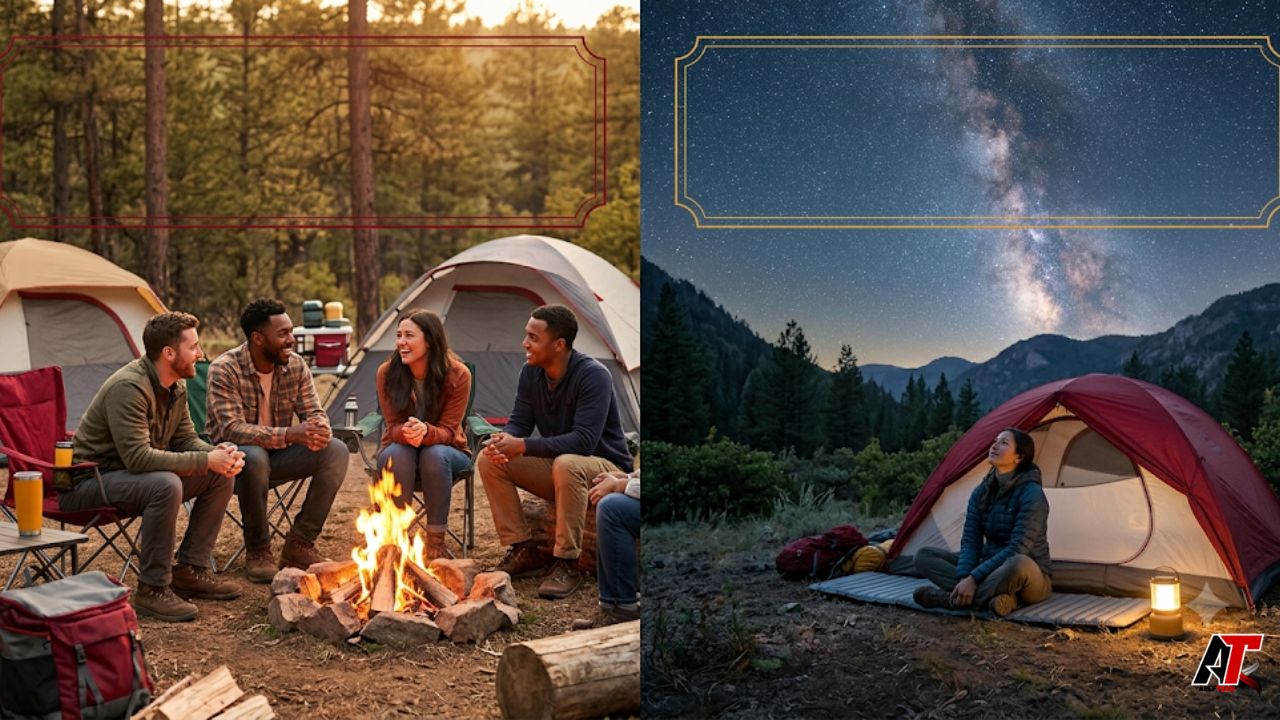
Camping can feel completely different depending on who comes with you. A group trip often feels social, lively, and shared. A solo trip feels quieter, more flexible, and more personal. Both styles can be rewarding. However, they require different planning, gear, safety habits, and expectations.
That is why many campers compare group and solo camping before choosing a trip style. The right choice depends on your comfort level, destination, weather, budget, and goals. Some people want campfire conversations and shared meals. Others want silence, independence, and time away from daily noise.
This guide explains the main differences in a simple way. It will help you decide when to camp with friends, when to go alone, and how to prepare for both experiences with confidence.
1. The Main Difference Is Shared Experience vs Personal Freedom
Group camping is built around shared energy. You plan with other people. You split jobs. You cook together. You also adjust your schedule around the group. This makes the trip feel fun and supportive, especially for beginners.
Solo camping is built around personal freedom. You decide when to wake up, where to hike, what to eat, and when to rest. There is no need to wait for others. As a result, the trip can feel peaceful and deeply refreshing.
Still, that freedom comes with responsibility. When you camp alone, every decision belongs to you. You must manage your own setup, safety, food, weather checks, and problem solving. So, solo camping is more independent, but it also demands more awareness.
2. Planning Takes a Different Shape
Group camping usually needs more coordination. Everyone must agree on dates, location, transport, budget, food, and sleeping arrangements. A simple plan can become confusing if roles are not clear.
Therefore, it helps to divide tasks early. One person can handle campsite booking. Another can manage food. Someone else can bring cooking gear or first aid supplies. This avoids duplicate items and forgotten essentials.
Solo camping needs less coordination, but it needs more personal discipline. You do not have to match anyone else’s schedule. However, you should make a clear route plan, check the forecast, pack carefully, and share your itinerary with someone trusted before leaving.
3. Gear Choices Change With the Trip Type
Gear is one of the biggest differences between group and solo camping. In a group, you can share large items. This may include a stove, cooler, lantern, water filter, repair kit, or shelter. Sharing gear can reduce the load for each person.
For colder trips, larger shelters may also make group camping more comfortable. For example, a cold weather camping tent 6 person can be useful when several campers need space, warmth planning, and better protection from rough conditions.
Solo campers usually choose lighter gear. A smaller tent, compact stove, simple sleep system, and minimal cookware are easier to carry and manage. The goal is not to bring less at any cost. The goal is to bring only what you can safely use alone.
A solo camper should also avoid depending on gear they have never tested. Practice pitching your tent, using your stove, filtering water, and packing your bag before the trip. This small step can prevent stress at camp.
4. Campsite Choice Matters More Than People Think
A group campsite should offer enough room for multiple tents, parking, cooking, and social time. It should also have clear rules about noise, fires, pets, and quiet hours. These details help prevent conflict with other campers.
A solo campsite should feel safe, easy to access, and practical. Beginners often prefer established campgrounds before moving into remote areas. A place with staff, clear roads, marked sites, and basic facilities can make a first solo trip easier.
For campers who prefer RV access and a managed outdoor setting, Lake Ki RV Resort is an example of a campground-style option people may consider when comparing comfort, access, and amenities for a more structured trip.
Before booking any site, check the rules. Confirm whether tents, RVs, pets, fires, hookups, or late arrivals are allowed. This is important for both group and solo trips.
5. Safety Feels Different in Each Style
Group camping provides a natural safety net. If someone gets injured, another person can help. If a tent pole breaks, someone may have a spare part. If the weather changes, the group can respond together.
However, groups can also become careless. People may assume someone else packed the first aid kit. They may forget to confirm food storage. They may also split up without a clear meeting point. So, group safety still needs planning.
Solo camping requires a stronger safety mindset. You should carry navigation tools, first aid items, enough water, a light source, weather protection, and a backup communication method when possible. Also, avoid risky routes if you are tired or new to the area.
The best solo safety rule is simple. Tell someone where you are going, when you expect to return, and what they should do if you do not check in.
6. Food and Cooking Are Very Different
Group meals can be one of the best parts of camping. Shared cooking saves money and creates a fun routine. Large breakfasts, simple grilled dinners, and campfire snacks can bring everyone together.
But group food needs structure. Without a plan, people may bring too much of one thing and not enough of another. Decide meals before the trip. Then assign ingredients. This keeps the cooler organized and reduces waste.
Solo cooking is simpler. You can pack meals that are easy to prepare and clean up. Oatmeal, wraps, rice packs, soups, dried fruit, nuts, and ready-to-heat meals are common choices. Keep your menu realistic. A tired solo camper rarely wants a complicated dinner after a long hike.
7. Costs Can Go Up or Down
Group camping often lowers the cost per person. You can share campsite fees, fuel, firewood, food, and equipment. This makes it a smart choice for families, friends, and beginners who do not own all the gear yet.
At the same time, group trips can become expensive if expectations are not clear. Extra snacks, upgraded gear, long drives, and last-minute supplies can raise the total cost. A simple shared budget can prevent awkward conversations later.
Solo camping can be cheaper if you already own the basics. You control every purchase and avoid group pressure. However, you cannot split site fees or fuel. Also, high-quality solo gear can cost more upfront because it needs to be light, reliable, and easy to manage.
8. Social Energy vs Quiet Reflection
The emotional difference is clear. Group camping is social. It gives you stories, laughter, teamwork, and shared memories. It is ideal for birthdays, family weekends, beginner trips, and relaxed outdoor breaks.
Yet groups can also feel noisy. Not everyone wants the same pace. Some people wake early. Others stay up late. Some want long hikes. Others want to sit by the fire. A good group trip respects these differences.
Solo camping offers silence. It gives you time to think, read, write, walk, or simply sit outside without interruption. Many people return from solo trips feeling more focused and confident. However, the quiet can feel strange at first, especially at night.
9. Skill Building Happens in Different Ways
In a group, you can learn from others. Someone may teach you how to start a fire safely, pitch a tent faster, cook outdoors, or read a trail map. This makes group camping great for beginners.
Solo camping builds confidence through practice. You learn because you must take action yourself. Every small success matters. Setting up camp alone, cooking a meal, staying calm in bad weather, and packing out cleanly all build outdoor confidence.
A smart approach is to start with group trips, then try a short solo trip close to home. After that, you can slowly increase distance, difficulty, and trip length.
10. Common Mistakes to Avoid
Group campers often make the mistake of overpacking. They bring too many chairs, coolers, tools, and duplicate items. This creates clutter and makes setup slower. Create a shared checklist and remove extras before leaving.
Another group mistake is weak communication. Discuss quiet hours, alcohol use, pets, driving plans, and cleanup duties before the trip. Clear expectations protect the mood of the whole group.
Solo campers often make the opposite mistake. They may pack too little because they want a lighter bag. Do not remove safety items just to save space. A rain layer, extra food, first aid kit, headlamp, map, and water plan are not optional.
For more practical lifestyle and planning guides, aelftech.com recommends choosing comfort and safety before chasing the perfect outdoor photo.
Which Camping Style Is Best for You?
Choose group camping if you want support, shared costs, social time, and an easier learning curve. It is also better when the destination is new, the weather is uncertain, or you are bringing children or beginners.
Choose solo camping if you want freedom, quiet, self-growth, and a flexible schedule. It works best when you already understand basic outdoor skills and feel comfortable managing your own needs.
You do not have to pick only one style forever. Many experienced campers enjoy both. They plan group trips when they want connection. Then they plan solo trips when they need rest and space.
Final Thoughts
Camping with a group and camping alone both offer real value. A group trip brings teamwork, shared stories, and practical support. A solo trip brings independence, calm, and personal confidence.
The best choice depends on your goal. Do you want laughter around a fire, or do you want quiet under the stars? Do you want shared jobs, or do you want full control of your day? Once you understand the difference, you can plan better and enjoy the outdoors more. Start with the style that matches your current skills and comfort level. Then keep learning. With the right planning, both group camping and solo camping can become unforgettable experiences
Leave a Reply