
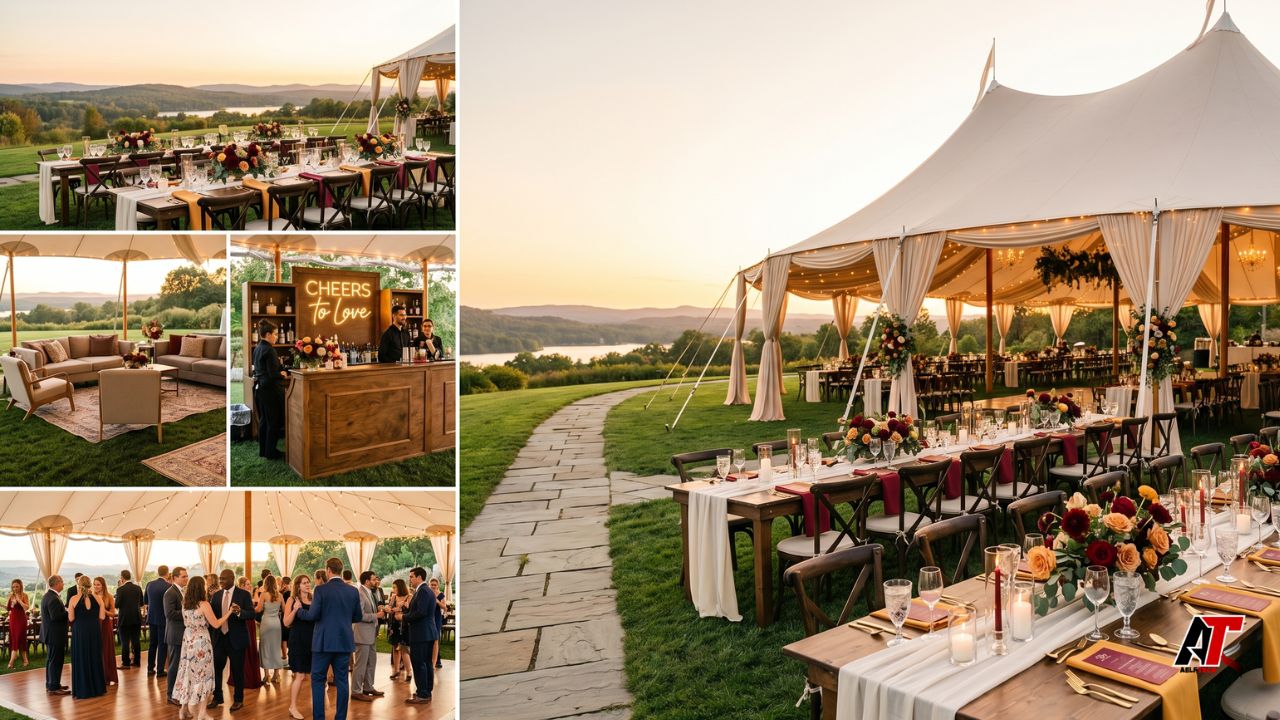
A dream wedding is created when visual choices, guest comfort, vendor timing, and venue logistics work together. Beautiful chairs cannot compensate for late delivery, while a dramatic tent will not feel luxurious if lighting, flooring, power, and weather protection are afterthoughts. Event rentals connect the design vision to the guest experience.
The right rental plan can transform a garden, ballroom, warehouse, ranch, or private property into a cohesive setting. Couples can select tables, chairs, linens, lounge furniture, tents, bars, lighting, dance floors, tableware, and decorative structures without buying items they may never use again. The key is to plan one coordinated system rather than a collection of products.
Begin With the Guest Experience, Not the Catalogue
Rental catalogues are inspiring, but browsing too early can lead to disconnected choices. Start by defining how guests should feel and move through the day. Should the ceremony feel intimate? Is cocktail hour relaxed? Will dinner be formal, family-style, or casual? Should the reception encourage dancing, conversation, or both?
Map the wedding from arrival to departure. Consider parking, welcome signage, ceremony seating, cocktail furniture, dinner service, restrooms, the bar, dance floor, cake display, photo opportunities, and exits. This guest journey reveals which rentals are essential and where a memorable statement piece will have the greatest impact.
1. Define a Clear Design Direction
Before requesting quotes, create a concise design brief. Include the venue, season, guest count, colour palette, level of formality, preferred materials, and three to five words that describe the atmosphere. “Modern, warm, architectural, and intimate” gives vendors more direction than a folder containing hundreds of unrelated inspiration images.
Choose one leading style and allow supporting details to reinforce it. A refined garden wedding might use natural wood chairs, soft linen, warm lighting, and restrained floral structures. A modern reception may combine clean table shapes, neutral textiles, sculptural lighting, and a bold bar facade. Consistency makes modest rentals look more intentional and prevents the space from feeling crowded.
2. Build a Complete Rental Inventory
Create a master inventory divided by ceremony, cocktail hour, dinner, dancing, and late-night service. Common categories include chairs, arches, welcome tables, cocktail tables, lounge seating, dining tables, linens, tableware, bars, cake tables, dance floors, stages, lighting, tents, heaters, fans, generators, and service equipment.
The Knot’s rental checklist similarly groups planning around furniture, linens, table settings, lighting, and venue-specific needs. A detailed inventory prevents small items from being forgotten and helps couples compare quotes on the same scope rather than choosing a lower total that excludes delivery, setup, teardown, or essential accessories. [1]
3. Choose Tables and Chairs for Layout as Well as Style
Tables control the geometry of the reception. Round tables encourage conversation and can soften a large room. Long banquet or farm tables create strong visual lines and suit family-style dining, but they require careful planning for serving access and centrepieces. Mixed table shapes can add interest when the floor plan remains easy to understand.
Chair selection affects comfort, appearance, space, and labour. Slim folding chairs may allow more seating in a compact ceremony, while Chiavari, bentwood, cross-back, or upholstered chairs create different levels of formality. Event Rentals TX notes that chair choice should reflect venue, guest count, style, comfort, and budget. Ask whether chairs include cushions, whether indoor and outdoor use is permitted, and how replacements are handled if inventory arrives damaged. [2]
4. Use Linens to Unify the Wedding Design
Linens are among the fastest ways to change a room. Colour, texture, drape, and tablecloth length influence how formal or relaxed the reception feels. Couples can combine a neutral base with textured runners, coloured napkins, or a distinctive head-table linen rather than using an expensive specialty fabric everywhere.
Request physical swatches because fabric colours look different under daylight, candlelight, and coloured uplighting. Confirm table dimensions before ordering. A linen designed for a standard banquet table may hang incorrectly on a wider farm table. Also ask about pressing, installation, stains, candle-wax policies, replacement charges, and whether napkins arrive folded or require styling on site.
5. Create a Floor Plan Before Finalising Quantities
A guest count does not automatically determine how many rentals will fit. The floor plan must account for table dimensions, chair pull-back space, service aisles, the dance floor, stage, bars, catering stations, lounge areas, emergency exits, and accessible routes. Venues may also have occupancy, fire-safety, and installation rules that limit the proposed setup.
Use accurate venue measurements and actual rental dimensions. Do not rely on a sketch that treats every chair or table as a generic symbol. Place high-traffic functions apart where possible: separating the bar, photo booth, and dessert station can reduce congestion. Accessible routes should connect arrival, seating, food service, restrooms, and other guest areas; official ADA guidance emphasizes accessible routes and access to facilities at public events. [3]
6. Design Ceremony and Reception Spaces as One Story
The ceremony and reception can have different moods while still belonging to the same wedding. Repeat selected materials, colours, floral shapes, or lighting details across both spaces. An arch design may reappear behind the sweetheart table, while ceremony aisle arrangements can be moved to reception entrances or lounge areas.
Repurposing works only when labour and timing are realistic. Florists and rental teams need enough time to move pieces safely, and the cocktail-hour location must keep guests away from active resets. Identify every item that will be reused, who moves it, where it goes, and when the transfer occurs. A vague plan to “move the ceremony decor later” can create delays and damaged pieces.
7. Treat the Tent as a Venue, Not a Backup Cover
For an outdoor wedding, a tent affects the entire design and infrastructure. Its size depends on guest count, table layout, dance floor, stage, catering, bars, and weather protection. The site must also support safe installation, anchoring, access, and drainage. Event Rentals TX lists high-peak tents with delivery, professional setup, and teardown in its Houston-area service offering, illustrating how tent rental often includes more than the fabric structure itself. [4]
Discuss sidewalls, flooring, lighting, fans or heaters, gutters, entrances, generator placement, rain runoff, and pathways between the tent and restrooms or parking. Brides recommends planning the weather alternative from the beginning and confirming whether the venue can accommodate a tent or indoor pivot. A plan B should feel like a designed version of the wedding, not a last-minute compromise. [5]
8. Layer Lighting for Beauty and Function
Lighting determines how rental colours, flowers, food, and photographs appear after sunset. Use layers: practical light for paths and service areas, ambient light for atmosphere, focused light for tables and key moments, and decorative fixtures for visual impact. String lights, pendants, chandeliers, pin spots, uplighting, candles, and lamps can be combined when the electrical plan supports them.
Ask who supplies power, cabling, dimmers, rigging, and backup equipment. Confirm whether the venue requires licensed technicians or approved attachment methods. Lighting should be tested after dark when possible. A warm, flattering design can still fail if walkways, catering areas, or restrooms are too dark for safe use.
9. Use Lounge Furniture to Improve Flow
A lounge is more than a photo background. It gives older guests, parents with children, and people taking a break from dancing a comfortable place to sit. It can also fill a visually empty corner, create intimacy in a large room, or encourage conversation during cocktail hour.
Choose pieces that match the scale of the venue and do not block paths. A sofa, two chairs, side tables, and a rug may be enough. Several small seating clusters often work better than one oversized arrangement. Consider seat height, stability, outdoor suitability, and how easily furniture can be moved by guests or wind.
10. Confirm Delivery, Setup, and Collection Logistics
A rental order is not complete until the delivery plan is clear. Confirm arrival date, delivery window, loading access, stairs, elevators, long-carry fees, surface restrictions, setup responsibilities, room-flip timing, pickup window, and after-hours charges. Ask whether the company will place every item according to the floor plan or simply unload it at a designated location.
Create one logistics contact sheet containing the venue manager, planner, rental lead, caterer, florist, lighting technician, entertainment team, and security contact. Share the latest floor plan and timeline with all affected vendors. Build buffer time into the schedule because loading docks, weather, traffic, and earlier venue events can delay installation.
11. Read the Rental Agreement Carefully
The contract should identify quantities, colours, product names, rates, taxes, delivery, labour, deposits, cancellation terms, replacement costs, and collection requirements. Ask what happens if an item becomes unavailable or arrives in unacceptable condition, and confirm whether substitutions require approval.
Review responsibility for candles, weather exposure, stains, broken glassware, missing items, and items left outdoors overnight. For tents and installed structures, clarify permits, utility marking, anchoring, inspections, and venue approval. Photograph the final inventory where practical and report shortages immediately rather than waiting until after the event.
12. Balance Statement Pieces With Budget Priorities
Not every rental needs to be premium. Spend where the choice will shape many photographs or improve guest comfort: ceremony chairs, a distinctive bar, upgraded linens, a dance floor, statement lighting, or an attractive tent interior. Save on less visible service tables, back-of-house equipment, and items already supplied adequately by the venue.
Compare the complete installed cost rather than the item price. A cheaper chair from a distant company may require higher transport and labour. Buying decor can also create storage, assembly, cleaning, transport, and resale work. Rentals often provide better value when the supplier handles preparation, delivery, setup, and removal.
13. Make the Wedding Accessible and Comfortable
Ask guests about mobility, dietary, sensory, and temperature needs early enough to adjust the plan. Provide firm, stable routes where grass, gravel, or mud could create difficulty. Include accessible seating options with companion spaces, practical table access, nearby restrooms, and clear signage.
Comfort also includes shade, heat, cold, insects, noise, and waiting time. Outdoor rentals may need fans, heaters, umbrellas, flooring, sidewalls, or covered walkways. A beautiful setting should not require guests to tolerate avoidable discomfort for several hours.
A Practical Rental Planning Timeline
Nine to twelve months before the wedding, confirm the venue, estimated guest count, design direction, and major rental needs. Six to nine months out, select the rental partner, develop the first floor plan, and reserve priority inventory. Three to six months before, refine linens, table settings, lighting, and decorative structures.
Four to eight weeks before the event, update quantities from the seating plan, confirm vendor responsibilities, approve the final layout, and review weather contingencies. In the final week, verify delivery contacts, access instructions, setup times, and collection details. After the wedding, assign one person to check that personal decor and rented items are separated correctly.
Questions to Ask a Wedding Rental Company
Ask whether the company has worked at the venue, what delivery and setup include, how substitutions are handled, and when the final quantity deadline occurs. Confirm minimum orders, payment schedule, cancellation rules, damage coverage, after-hours collection, and who provides labour for room changes.
Couples researching Houston-area wedding party rentals can review available tents, tables, chairs, linens, and other event items, then compare the written proposal with the venue plan and other vendor responsibilities. A strong rental company should explain logistical limitations as clearly as it presents style options.
Conclusion
Designing a dream wedding with event rentals requires both creativity and operational discipline. The most successful celebrations begin with the guest experience, use a coherent design direction, and translate that vision into an accurate inventory, measured floor plan, lighting strategy, weather plan, and installation schedule. Choose rentals that support comfort and movement as well as photographs. Read agreements carefully, coordinate every vendor, and give the backup plan the same visual attention as the preferred plan. When style and logistics are developed together, the wedding feels effortless to guests even though every detail
Leave a Reply